Researchers Say Snow Levels Are at a Record Low in the Rocky Mountains
Why It Matters
Snowpack serves as the primary water source for the West; record lows jeopardize municipal supplies, farm irrigation, ecosystems, and increase wildfire danger. The anomaly signals a shift toward drier, hotter springs that could reshape water management strategies.
Key Takeaways
- •Snow water equivalent measured at 2.2 inches, half 1977 record.
- •Colorado's snowpack at 11,000 ft is at historic low.
- •USDA's century‑old snow survey shows statewide record lows.
- •Reduced snow threatens reservoirs, agriculture, and increases fire risk.
- •Scientists warn western water supply entering uncharted territory.
Pulse Analysis
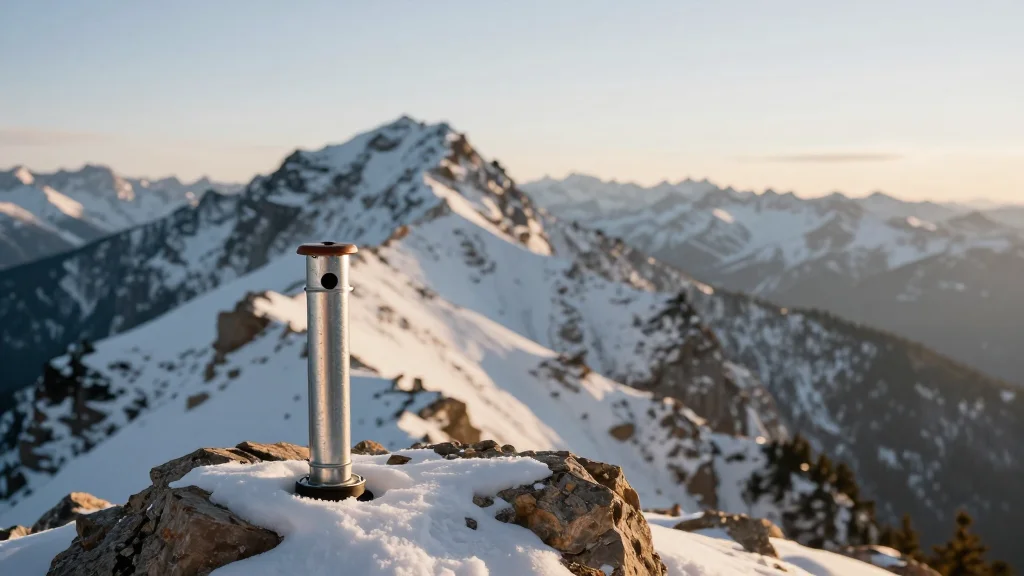
S. 2 inches at the Horseshoe Mountain site, roughly half the 1977 benchmark that previously held the state record. Technicians used the same aluminum tube samplers introduced in the 1930s, hanging them from a milk‑scale to gauge the snow column. Across more than 60 snow courses, measurements this spring are either matching or breaking historic lows, a stark contrast to the robust snowpack that traditionally peaks in April and fuels the region’s water tower.
The immediate fallout is a looming shortfall in runoff that municipal utilities, irrigation districts, and wildlife habitats depend on throughout the summer. With reservoirs already running below capacity, farmers risk curtailing crop irrigation while urban areas may face water‑use restrictions. Moreover, a thin snowpack accelerates the drying of vegetation, heightening the probability of wildfires in the already fire‑prone Rockies. Climate scientists link these anomalies to a pattern of hotter, drier springs that have become more frequent across the western United States, underscoring the vulnerability of a water system built on snow.
Policymakers are now weighing a suite of adaptive measures, from expanding water‑storage infrastructure to incentivizing drought‑resilient crops. The USDA’s long‑running snow survey provides the data backbone for forecasting, but officials say real‑time satellite monitoring and higher‑resolution climate models will be essential to anticipate supply gaps. Stakeholders also urge greater investment in forest‑management practices that reduce fuel loads and mitigate fire spread. As the Rockies enter an era of unprecedented snow scarcity, coordinated regional planning will be critical to safeguard water security for the western economy.
Researchers say snow levels are at a record low in the Rocky Mountains
Comments
Want to join the conversation?
Loading comments...