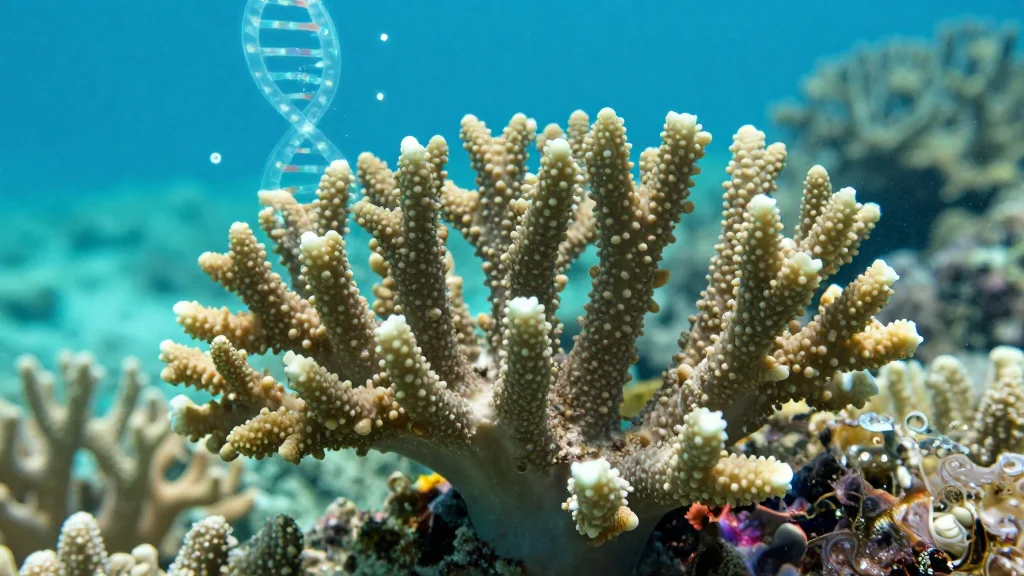
Researchers Unveil New AI-Driven System Set to Transform Coral Reef Restoration
Why It Matters
Early detection of coral stress can dramatically improve restoration success, protecting biodiversity and supporting coastal economies. The integrated AI‑microbiome approach sets a new standard for marine conservation technology.
Key Takeaways
- •BlueBiome combines AI imaging, microbiome genetics, and probiotics for coral health.
- •Early stress detection could cut reef restoration failure rate from 70% lower.
- •System trained to spot bleaching, lesions, and pigmentation changes instantly.
- •Microbiome monitoring mirrors human gut health diagnostics for precision interventions.
- •Pilot trials with aquariums aim for global deployment to boost reef resilience.
Pulse Analysis
Coral reefs face unprecedented threats from warming oceans, acidification, and over‑exploitation, prompting a surge in restoration initiatives worldwide. Yet, up to 70% of these projects falter because stress signals—bleaching, disease, or tissue loss—are identified too late for effective remediation. Traditional monitoring relies on periodic diver inspections, which are labor‑intensive and lack the granularity needed to catch subtle, early‑stage changes. This gap has spurred scientists to seek automated, high‑resolution tools that can continuously assess reef health and guide timely interventions.
Enter BlueBiome, the University of Derby’s breakthrough platform that fuses cutting‑edge artificial intelligence with marine microbiology. Trained on thousands of coral images, the AI can instantly flag visual anomalies such as discoloration or lesions, mimicking a seasoned marine biologist’s eye but at scale. Simultaneously, the system conducts genetic sequencing of coral‑associated microbes, offering a diagnostic parallel to human gut health tests. When imbalances emerge, targeted probiotic formulations are deployed to restore microbial equilibrium, enhancing the coral’s natural resilience. This feedback‑driven loop transforms reef care from reactive to preventive, promising higher survival rates for transplanted corals.
The broader implications extend beyond academia. For NGOs, governments, and private investors financing reef restoration, BlueBiome offers a measurable boost to project viability, potentially unlocking new funding streams and insurance models. Scalable deployment in aquaria and field sites could standardize health metrics across regions, fostering collaborative data sharing and faster innovation cycles. As climate pressures intensify, such precision tools become essential for safeguarding the ecological services—coastal protection, fisheries, tourism—that reefs provide to economies worldwide.
Researchers unveil new AI-driven system set to transform coral reef restoration
Comments
Want to join the conversation?
Loading comments...