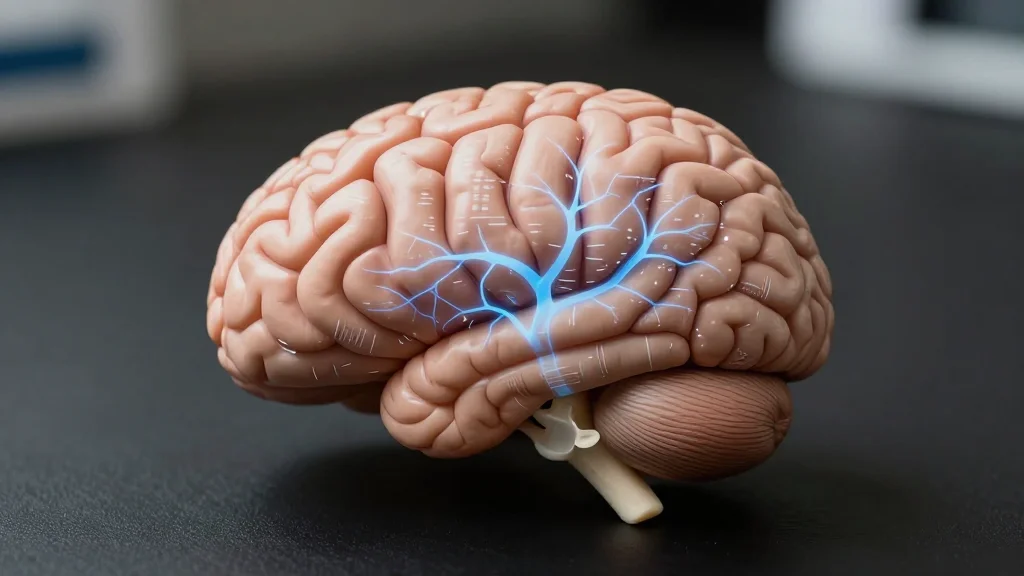
Researchers Use Statistics and Math to Understand How the Brain Works
Why It Matters
Understanding neural computation with quantitative tools can accelerate brain‑inspired AI and lead to novel therapies for neurological disorders, making the research pivotal for both tech and health sectors.
Key Takeaways
- •Topographic AI models mimic brain organization for vision, hearing, language.
- •AI analysis reveals simple structure behind complex spinal cord activity.
- •Hawk moth studies show brain prioritizes precise spike timing over count.
- •SWIRL framework outperforms traditional models in predicting mouse decisions.
- •Math modeling of visual cortex connectivity may inform new disease therapies.
Pulse Analysis
Georgia Tech’s interdisciplinary team is blending neuroscience with data science to build AI systems that reflect the brain’s architecture. By constructing topographic models for vision, audition, and language, researchers aim to create algorithms that operate more efficiently and are easier to interpret than conventional deep‑learning networks. This neuro‑AI synthesis not only promises energy‑saving computation but also provides a testbed for probing why the brain arranges its circuitry the way it does.
Motor control research is another focal point, where engineers use sensor data and AI to distill the spinal cord’s complex muscle‑activation patterns into simple, interpretable structures. Parallel work on hawk moth flight demonstrates that the brain values the precise timing of neural spikes over sheer spike count, highlighting a temporal coding strategy that could inform prosthetic control. Meanwhile, the SWIRL (Switching Inverse Reinforcement Learning) framework captures historical behavior to predict decision‑making more accurately than static models, offering fresh perspectives on both animal and human cognition.
The broader implications extend to artificial intelligence and clinical practice. Brain‑inspired AI could achieve exaflop‑level performance at a fraction of current energy costs, while mathematical models of visual‑cortex connectivity may unlock new pathways for treating visual or cognitive disorders. By quantifying neural dynamics, the Georgia Tech team is laying groundwork for next‑generation technologies that bridge the gap between biological intelligence and machine learning, positioning the field for rapid advances in both sectors.
Researchers use statistics and math to understand how the brain works
Comments
Want to join the conversation?
Loading comments...