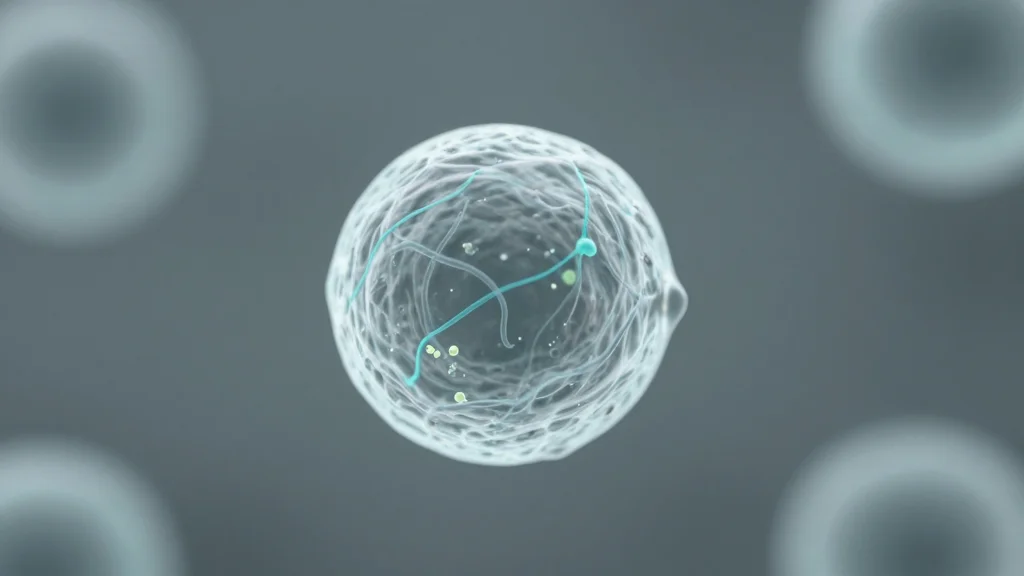
Restoring Protein Recycling Reverses T-Cell Exhaustion in Mice
Why It Matters
Reversing T‑cell exhaustion could boost the efficacy of existing checkpoint inhibitors and broaden immunotherapy options, offering a potential breakthrough for hard‑to‑treat cancers and chronic infections.
Key Takeaways
- •Impaired proteostasis identified as root cause of T‑cell exhaustion.
- •Restoring E3 ligases clears misfolded proteins and revives T‑cell function.
- •NEURL3, RNF149, WSB1 are critical ligases for protein recycling.
- •Strategy may extend to neurodegenerative diseases like Parkinson’s.
- •Preclinical results open new targets for cancer immunotherapy development.
Pulse Analysis
Proteostasis—the cellular balance of protein synthesis, folding, and degradation—has long been recognized as essential for cell health, but its role in immune cell performance is only now emerging. In the context of cancer, T cells often enter a state of exhaustion, losing their ability to proliferate and kill tumor cells. Researchers have linked this dysfunction to metabolic stress, yet the new UC San Diego study highlights a more direct culprit: a breakdown in the protein‑recycling machinery that leads to accumulation of damaged proteins and impaired signaling.
The investigation pinpointed three E3 ubiquitin ligases—NEURL3, RNF149, and WSB1—as linchpins of the recycling pathway. By genetically re‑activating these enzymes in exhausted mouse T cells, the team restored the tagging and disposal of misfolded proteins, effectively resetting the cells’ proteome. The rejuvenated T cells displayed enhanced cytokine production and superior tumor clearance in vivo, outperforming untreated controls. This mechanistic insight offers a complementary strategy to checkpoint blockade, suggesting that bolstering intracellular quality control could amplify the potency of existing immunotherapies.
Beyond oncology, the parallels drawn between T‑cell proteostasis failure and protein aggregation disorders such as Parkinson’s and Alzheimer’s open a broader therapeutic horizon. If similar recycling deficits underlie chronic infection or neurodegeneration, modulating E3 ligase activity might become a versatile tool across disease domains. Translating these findings to humans will require careful validation, but the concept of repairing cellular housekeeping functions to revive immune competence marks a promising frontier for next‑generation biotech interventions.
Restoring Protein Recycling Reverses T-Cell Exhaustion in Mice
Comments
Want to join the conversation?
Loading comments...