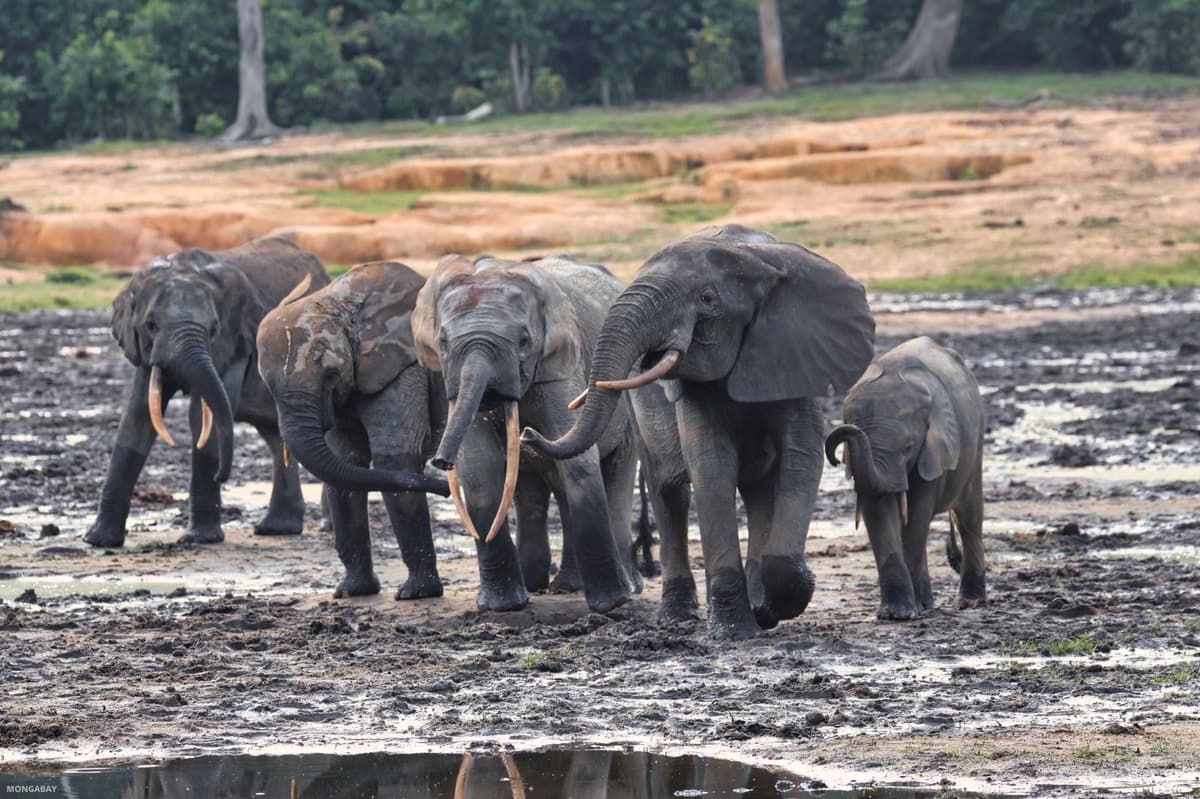
Rethinking Conservation Through Elephants’ Sense of Time and Memory
Why It Matters
Recognizing elephants' temporal cognition and trauma reshapes protection plans, making them more resilient and culturally attuned. This approach bridges ecological science with indigenous knowledge, improving long‑term conservation outcomes.
Key Takeaways
- •Elephants' memory guides herd to water sources decades later
- •Trauma can trigger PTSD‑like symptoms in wild elephants
- •Indigenous seasonal routes reflect centuries‑old elephant–human communication
- •Habitat loss disrupts elephants' temporal pathways, forcing nocturnal foraging
- •Conservation must protect intangible memory spaces, not just numbers
Pulse Analysis
The study of animal cognition is moving past simple population metrics toward the nuanced ways species experience time. Elephants, with their extraordinary long‑term memory, store information about water holes, migration corridors, and social bonds for decades. This temporal awareness enables them to survive in erratic climates, but it also makes them vulnerable when human activities erase the landmarks they rely on. By framing conservation around these cognitive maps, managers can design corridors that align with elephants' internal calendars rather than imposing human‑centric schedules.
Parallel research into wildlife trauma reveals that elephants can suffer post‑traumatic stress disorder after witnessing violence, mirroring human psychological responses. Symptoms such as heightened startle reflexes, aggression, and even infant neglect have been documented, suggesting that emotional well‑being is a critical, yet often overlooked, component of species health. Integrating mental health considerations into wildlife management—through anti‑poaching measures, conflict mitigation, and trauma‑informed monitoring—can reduce stress‑related mortality and improve reproductive success.
Indigenous practices provide a living template for respecting elephant temporality. In Malaysia's Belum forest, local communities avoid known foraging routes during specific seasons, a practice honed over generations that reduces human‑elephant conflict. Embedding such knowledge into modern conservation policies—by preserving seasonal pathways, restoring degraded corridors, and timing interventions to match elephant memory cycles—creates a synergistic framework. As climate change intensifies droughts, safeguarding these intangible memory spaces becomes as vital as protecting physical habitats, ensuring elephants retain the cognitive tools needed for survival.
Rethinking conservation through elephants’ sense of time and memory
Comments
Want to join the conversation?
Loading comments...