Rett Syndrome Study Highlights Potential for Personalized Treatments
Why It Matters
By showing that distinct MECP2 mutations respond to different repurposed drugs, the research paves the way for mutation‑tailored treatments, accelerating clinical options for Rett syndrome and similar neurodevelopmental diseases.
Key Takeaways
- •R306C and V247X mutations cause divergent structural and network changes
- •HDAC2 inhibitor restores activity in R306C organoids; baclofen rescues V247X
- •Single‑cell RNA‑seq identified mutation‑specific gene expression pathways
- •Organoid platform enables mutation‑by‑mutation drug testing for Rett
- •Patient EEG showed network changes matching organoid findings
Pulse Analysis
Rett syndrome, a rare neurodevelopmental disorder, stems from mutations in the MECP2 gene, yet more than 800 variants exist, producing a spectrum of clinical outcomes. Traditional research has treated Rett as a monolithic condition, often knocking out MECP2 entirely in animal models, which masks the nuanced effects of individual mutations. The emergence of patient‑derived brain organoids—mini‑brains grown from skin or blood cells—offers a breakthrough, allowing scientists to replicate each mutation’s unique cellular environment and observe how it reshapes neural circuitry in real time.
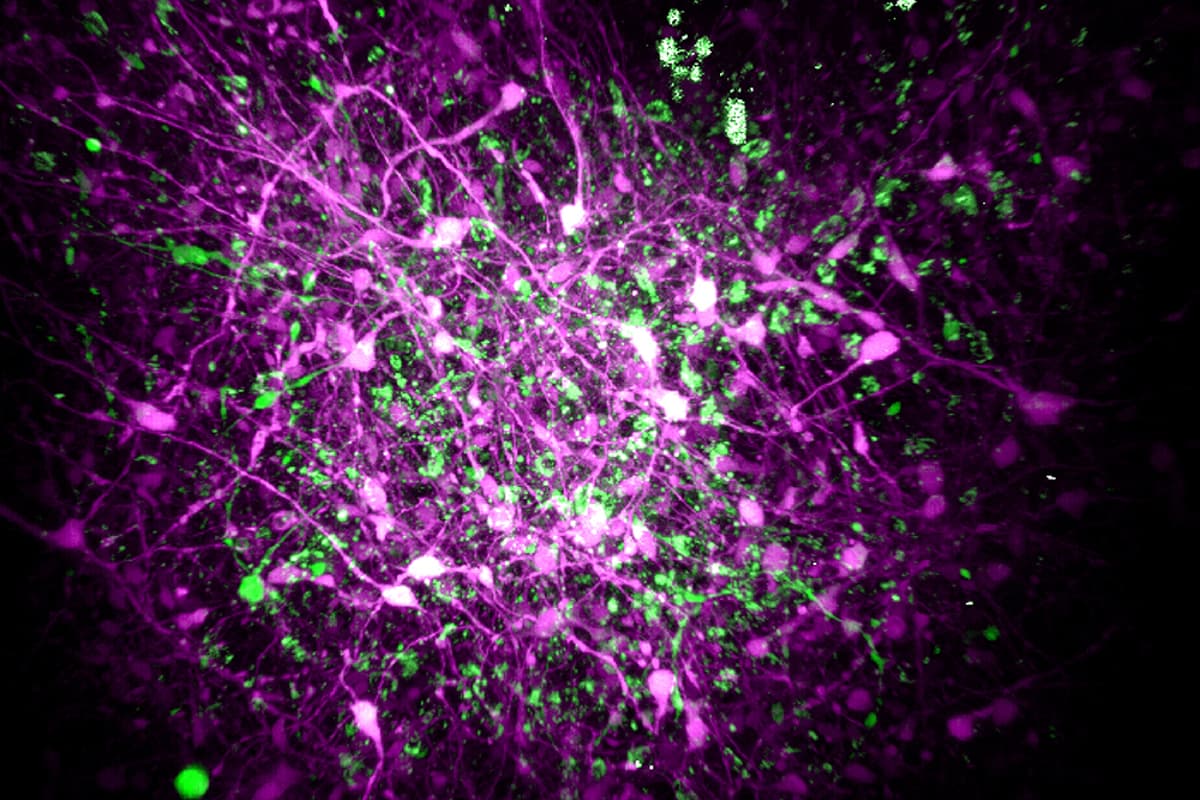
In the latest MIT study, organoids carrying the relatively common R306C mutation and the rarer, severe V247X mutation were examined with three‑photon microscopy and single‑cell RNA sequencing. While both displayed reduced neuronal firing, their network topology diverged: R306C organoids showed lowered small‑world propensity, whereas V247X organoids exhibited an increase. Gene‑expression profiling pinpointed overactive HDAC2 in R306C and diminished GABA‑receptor transcripts in V247X. By applying an HDAC2 inhibitor and the GABA agonist baclofen—drugs already vetted in other contexts—the researchers normalized network metrics in each mutation‑specific organoid, highlighting a pragmatic path to drug repurposing.
The implications extend beyond Rett. A mutation‑focused organoid pipeline can rapidly screen existing pharmacophores against the molecular fingerprints of dozens of MECP2 variants, shortening the gap between bench discovery and bedside trials. Coupled with corroborating EEG signatures from patients, this approach promises a new era of precision neurology where therapies are matched to a patient’s exact genetic lesion, potentially transforming treatment paradigms for a host of monogenic brain disorders.
Rett syndrome study highlights potential for personalized treatments
Comments
Want to join the conversation?
Loading comments...