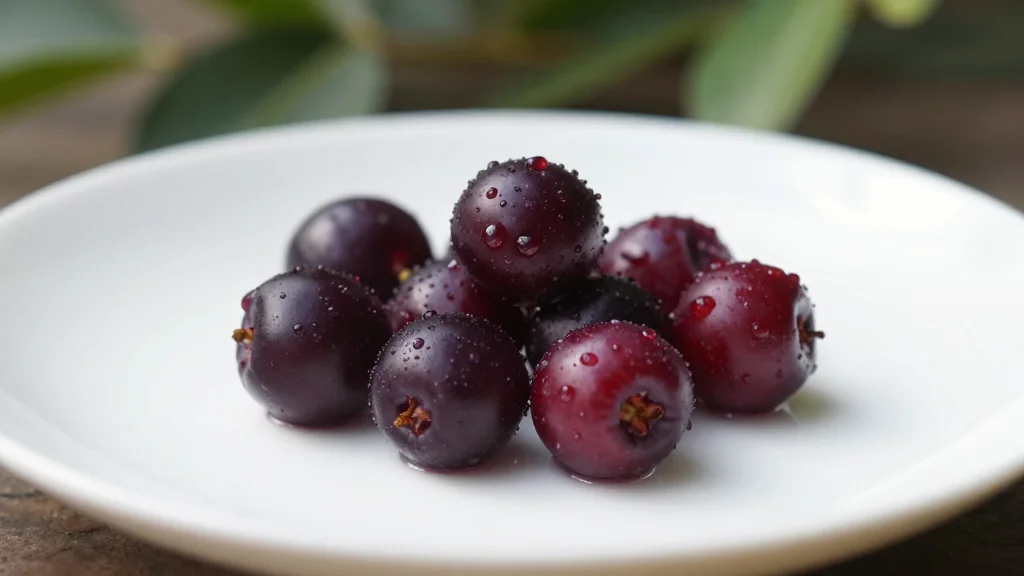
Rhodomyrtus Tomentosa Fruit Ameliorates LPS Induced Depression-Like Behaviors in Mice by Attenuating Hippocampal Neuroinflammation via Inhibiting the TLR4/MyD88/MAPK/NF-κB/NLRP3 Signaling Pathway
Companies Mentioned
Why It Matters
By targeting neuroinflammation, RTEE offers a potential nutraceutical alternative to conventional antidepressants, which often have delayed onset and side effects. Its efficacy in an acute inflammation model suggests relevance for depression linked to immune activation.
Key Takeaways
- •RTEE dose-dependently reversed LPS-induced depressive behaviors in mice
- •Treatment restored NeuN+ neuronal counts and PSD95 synaptic protein levels
- •RTEE reduced microglial Iba-1 and astrocyte GFAP activation in hippocampus
- •Extract inhibited TLR4/MyD88/MAPK/NF-κB/NLRP3 inflammatory signaling cascade
- •In vitro, RTEE rescued BV2 microglia viability and lowered NO production
Pulse Analysis
Depression remains a leading cause of disability worldwide, and a growing body of evidence links chronic neuroinflammation to symptom onset and treatment resistance. Traditional monoamine‑targeting drugs such as selective serotonin reuptake inhibitors provide relief for many patients but are hampered by delayed therapeutic effects and a spectrum of adverse reactions. Consequently, the pharmaceutical and nutraceutical sectors are intensifying searches for safe, fast‑acting agents that modulate immune pathways in the brain. Plant‑derived compounds, with their long history of dietary use, are emerging as promising candidates to fill this gap.
The recent Frontiers in Nutrition study demonstrates that an ethanol extract of Rhodomyrtus tomentosa fruit (RTEE) can reverse LPS‑induced depressive‑like behaviors in mice. Behavioral assays showed dose‑dependent improvements in sucrose preference, open‑field activity, and reduced immobility, matching or exceeding the effects of fluoxetine at 10 mg/kg. Molecular analyses revealed that RTEE restored neuronal markers (NeuN, PSD95) while dampening microglial (Iba‑1) and astrocytic (GFAP) activation. Crucially, the extract blocked the TLR4/MyD88/MAPK/NF‑κB/NLRP3 cascade, a central conduit for peripheral endotoxin‑driven neuroinflammation, and reproduced anti‑inflammatory effects in BV2 microglia cultures.
These findings position RTEE as a viable nutraceutical lead for depression linked to immune dysregulation. Because the fruit is already consumed as a food in parts of Asia, regulatory pathways for dietary supplements may be more straightforward than for novel pharmaceuticals, accelerating market entry. However, translation to human patients will require dose‑optimization, safety profiling, and clinical trials that assess both mood outcomes and biomarkers of neuroinflammation. If successful, RTEE could diversify the therapeutic arsenal, offering clinicians a plant‑based option that complements existing antidepressants and addresses unmet needs in inflammation‑driven mood disorders.
Rhodomyrtus tomentosa fruit ameliorates LPS induced depression-like behaviors in mice by attenuating hippocampal neuroinflammation via inhibiting the TLR4/MyD88/MAPK/NF-κB/NLRP3 signaling pathway
Comments
Want to join the conversation?
Loading comments...