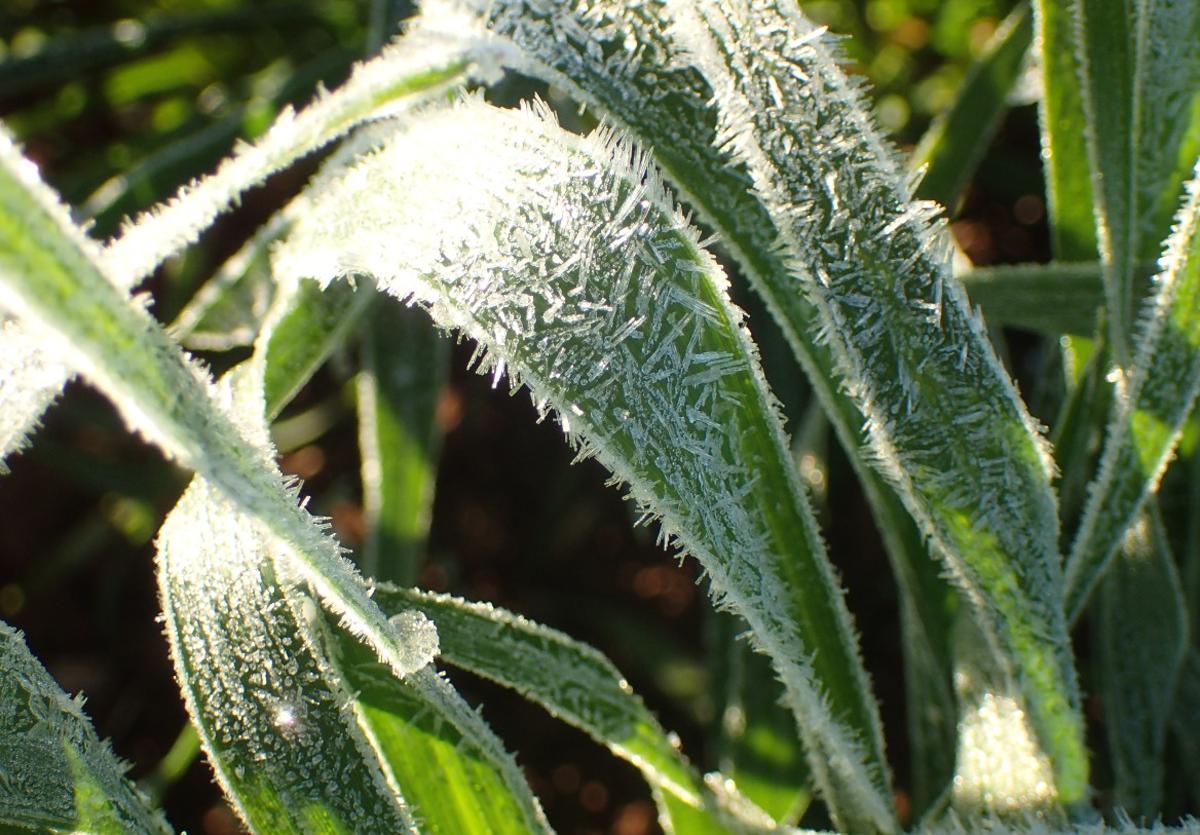
Rising Climate Variability Intensifies Frost Pressure on Wheat Production, CSIRO Finds
Companies Mentioned

CSIRO
Why It Matters
Frost‑driven losses threaten Australia’s $10‑plus billion wheat sector, jeopardizing food security and export earnings. The findings push agribusinesses and policymakers toward breeding and risk‑management solutions beyond traditional phenology tweaks.
Key Takeaways
- •Frost can cause up to $360 million annual wheat losses in Australia.
- •Climate variability extends frost risk despite optimal sowing and cultivar choices.
- •Simulations across 83 wheatbelt sites show best‑management still leaves yield gaps.
- •Developing frost‑tolerant varieties is critical to offset combined frost‑heat stress.
Pulse Analysis
Australia’s wheat belt is confronting a new climate reality: frost events are not only persisting but expanding in duration, eroding the effectiveness of conventional agronomic tactics. The CSIRO study leveraged four decades of weather data and a suite of wheat cultivars to model outcomes under best‑management scenarios, revealing that even perfectly timed sowing cannot fully shield crops when late‑spring frosts align with heat spikes. This convergence of stresses amplifies yield volatility, underscoring the limits of phenology‑focused risk mitigation.
The economic stakes are stark. With frost‑related damage capable of wiping out up to $360 million each year, the sector faces pressure to safeguard its roughly $10 billion export market. Growers are already juggling cultivar selection, nitrogen timing, and sowing windows, yet the research shows these levers alone are insufficient as climate patterns become more erratic. The study’s granular simulation across 83 locations provides a roadmap for pinpointing regional hotspots where frost risk is most acute, enabling targeted interventions and more precise insurance modeling.
Looking ahead, the path to resilience lies in breeding and biotechnological advances that embed frost tolerance directly into wheat genetics. CSIRO’s ongoing trials of genetically diverse lines across New South Wales, South Australia, and Western Australia aim to decode the physiological traits that confer resilience under combined frost‑heat stress. Coupled with refined canopy‑level frost monitoring—accounting for humidity and dew formation—these efforts promise to equip growers with both smarter varieties and better decision‑support tools, ultimately stabilizing yields in an increasingly unpredictable climate.
Rising climate variability intensifies frost pressure on wheat production, CSIRO finds
Comments
Want to join the conversation?
Loading comments...