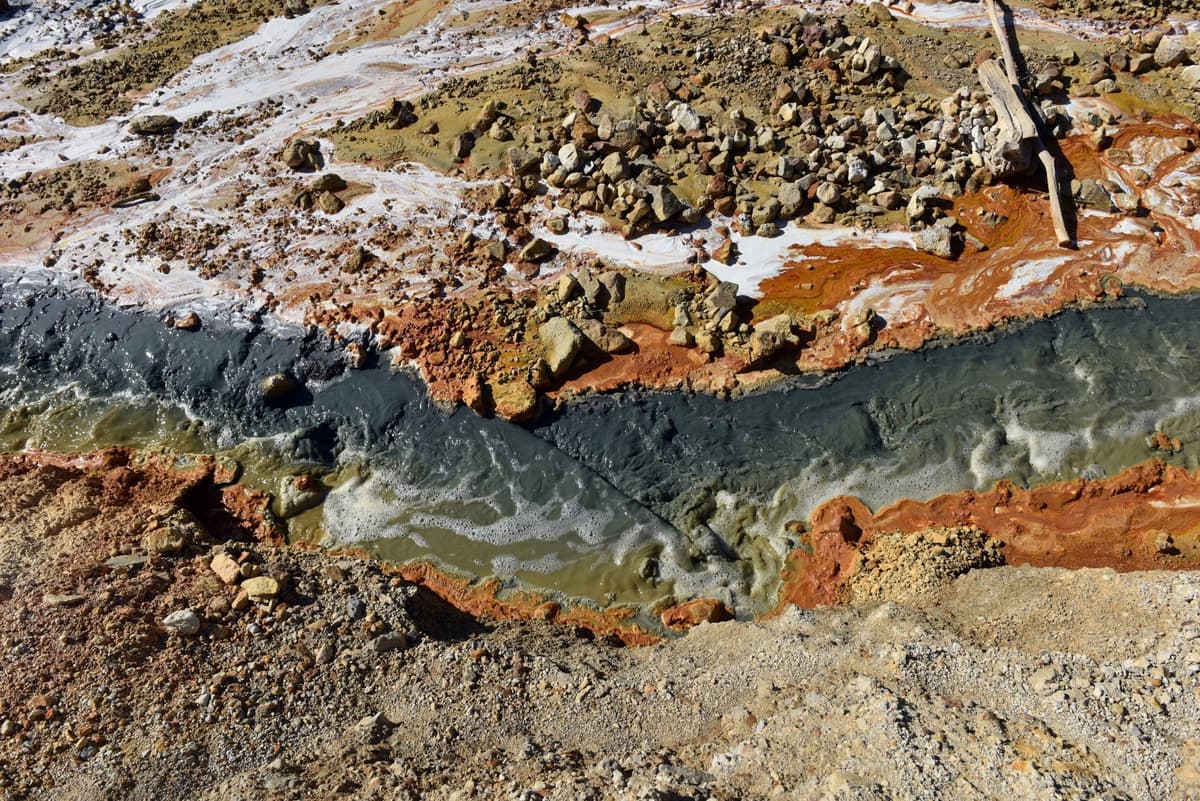
Rising CO2 Levels Accelerate Metal Release in Mine Waste
Why It Matters
The findings link climate change directly to mining pollution, forcing the industry to revise AMD risk models and adopt carbon‑aware waste management. Ignoring CO₂ effects could underestimate future environmental liabilities and regulatory scrutiny.
Key Takeaways
- •CO₂ identified as strongest predictor of Acidithiobacillus abundance
- •Iron oxidation rates triple under 5,000 ppm CO₂
- •Zinc and cadmium leaching rise ~2% per 100 ppm CO₂
- •AMD models must add atmospheric CO₂ to avoid underestimation
- •Cadmium release may rise 10.6% by 2100 under high emissions
Pulse Analysis
Rising atmospheric carbon dioxide is emerging as a hidden driver of acid mine drainage, a long‑standing environmental challenge for the mining sector. The recent Nature‑partnered research demonstrates that CO₂ supplies a carbon source that fuels acidophilic microbes such as Acidithiobacillus, accelerating iron oxidation and acid production. Laboratory cultures exposed to CO₂ levels ranging from pre‑industrial 200 ppm to 5,000 ppm showed up to threefold increases in bacterial growth and metal leaching, especially for zinc and cadmium, which rose roughly 2% for every 100 ppm CO₂ increment.
For mine operators, the study signals a paradigm shift in AMD risk assessment. Traditional models prioritize pH, iron concentration and oxygen, but the data reveal CO₂ as a more powerful predictor of microbial activity. Incorporating atmospheric CO₂ trajectories into predictive tools will improve long‑term tailings management and help meet tightening environmental regulations. Mitigation strategies may need to focus on limiting carbon availability in waste rock, deploying biocides that target carbon‑fixation pathways, or engineering passive barriers that restrict CO₂ ingress.
Beyond the mining floor, the broader environmental stakes are significant. Enhanced metal mobilization can contaminate downstream water supplies, affect agricultural soils, and pose chronic health risks to communities. As climate models forecast continued CO₂ rise, the cumulative impact of even modest increases in metal concentrations could become substantial over decades. Policymakers and industry leaders must therefore integrate climate‑responsive practices into mining permits, invest in research on multi‑factor AMD modeling, and consider carbon‑capture solutions as part of a holistic approach to sustainable resource extraction.
Rising CO2 Levels Accelerate Metal Release in Mine Waste
Comments
Want to join the conversation?
Loading comments...