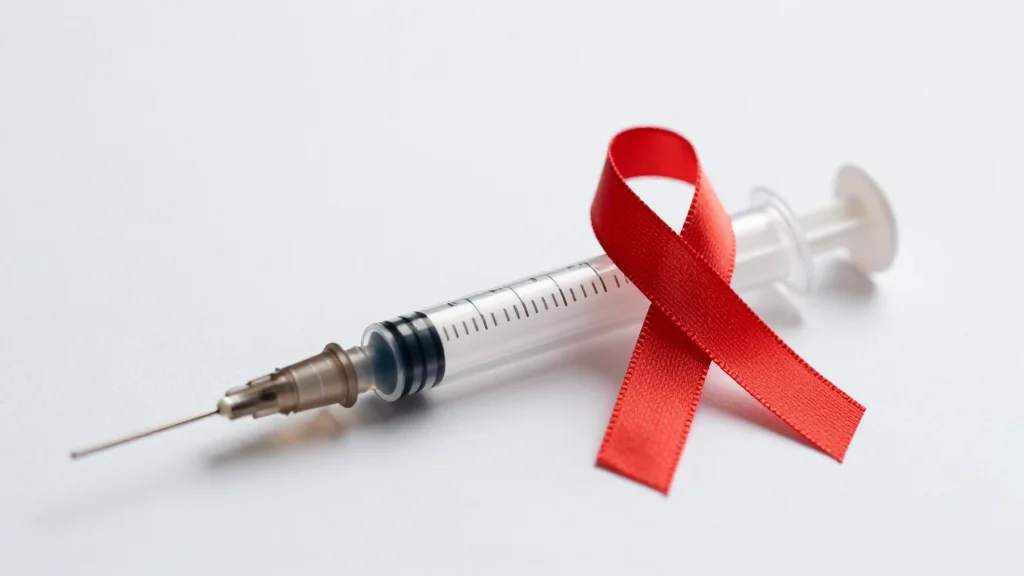
Rising HIV/AIDS Burden in Pakistan: Prioritizing Prevention Over Delayed Response
Why It Matters
The expanding epidemic threatens public‑health stability and could overwhelm Pakistan’s fragile healthcare infrastructure, while also highlighting governance gaps that affect international aid and investment.
Key Takeaways
- •2,108 pediatric HIV cases recorded in 15 months, 834 girls, 1,274 boys.
- •Sindh province bears 1,515 child infections, highest regional burden.
- •Unsafe injections and unsterilized equipment identified as primary transmission vectors.
- •Weak surveillance and delayed response hinder timely outbreak containment.
- •Coordinated national strategy needed to strengthen regulation, screening, and public awareness.
Pulse Analysis
Pakistan’s HIV landscape has shifted dramatically in the past 15 months, with more than 2,100 children diagnosed and an overall patient pool approaching 84,000. The concentration of cases in Sindh—over 1,500 pediatric infections—combined with a notable outbreak in Taunsa Sharif, Punjab, signals that the virus is no longer confined to isolated pockets. Drivers such as unprotected sexual activity, injectable drug use, and, critically, unsafe medical practices—including the reuse of contaminated syringes—have accelerated transmission, placing vulnerable groups like women, transgender individuals, and children at heightened risk.
The surge underscores deep‑seated systemic failures. Inadequate surveillance systems delay detection, while fragmented federal‑provincial coordination hampers rapid response. Regulatory oversight remains weak, allowing unsafe clinical procedures to persist, and funding gaps limit the scale of prevention programs. These structural weaknesses not only impede immediate containment but also erode public trust in health institutions, creating a feedback loop that fuels further spread. International observers, including the WHO, have flagged Pakistan’s limited integration of national programs with local surveillance as a critical barrier to effective control.
Addressing the crisis requires a multi‑layered strategy. Strengthening infection‑control protocols, enforcing strict sterilization standards, and expanding routine screening in high‑risk regions are immediate priorities. Parallel investments in robust data‑collection platforms will improve outbreak visibility, enabling timely interventions. Moreover, sustained political commitment and transparent funding mechanisms are essential to galvanize both domestic and donor resources. If Pakistan can align governance, healthcare infrastructure, and community outreach, it can curb the epidemic’s trajectory and set a precedent for other low‑resource settings confronting similar public‑health challenges.
Rising HIV/AIDS Burden in Pakistan: Prioritizing Prevention Over Delayed Response
Comments
Want to join the conversation?
Loading comments...