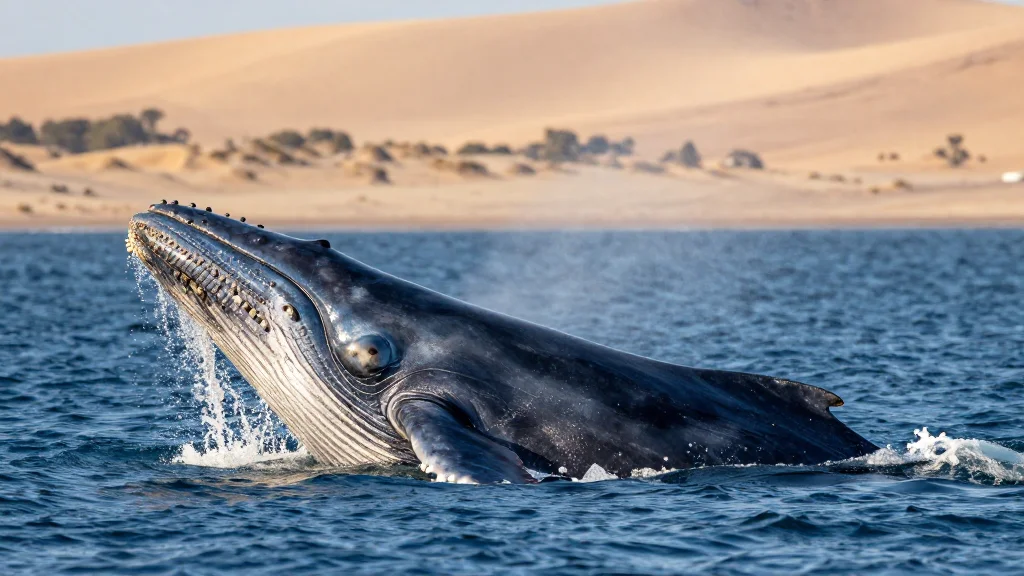
Rising Sightings of Blue and Fin Whales in the South East Atlantic
Why It Matters
The resurgence signals that long‑term conservation measures are beginning to restore two of the world’s largest cetaceans, yet ongoing threats mean proactive management is essential to ensure sustainable recovery.
Key Takeaways
- •95% of whale sightings recorded since 2012 signal recovery
- •Blue whale population growing 5‑8% annually, still only 3% historic
- •Fin whales now exceed 30% of pre‑whaling numbers, 4‑5% annual growth
- •Increased vessel observers boost data, but genuine population rise likely
- •Researchers urge acoustic monitoring and marine spatial planning for protection
Pulse Analysis
The resurgence of blue and fin whales in the southeastern Atlantic underscores a rare conservation success story after decades of industrial whaling that decimated populations by hundreds of thousands. Historical records show that roughly 350,000 Antarctic blue whales and 725,000 fin whales were killed between 1913 and 1978, pushing both species to the brink of extinction. Today, blue whales are climbing at 5‑8% per year, while fin whales enjoy a 4‑5% annual increase, reflecting the slow but steady rebound of these apex marine mammals. This recovery is especially notable in the Benguela upwelling system, a nutrient‑rich zone that historically served as a feeding and nursery ground for these giants.
Recent data compiled from 1964 to 2025 reveal that 95% of confirmed sightings occurred after 2012, suggesting that the whales are re‑occupying historic habitats rather than merely being detected due to more observers on seismic‑survey vessels. The fin whale’s year‑round presence and the seasonal blue‑whale migrations align with the region’s productive spring‑autumn cycles, offering potential benefits for local fisheries and eco‑tourism. However, the modest absolute numbers—12 blue‑whale sightings versus 76 fin‑whale records—highlight that the recovery remains fragile and that continued monitoring is vital to distinguish genuine population growth from observation bias.
Scientists emphasize that visual surveys alone cannot capture the full scope of whale distribution across the vast Atlantic. Deploying passive acoustic arrays and integrating trained observers on commercial ships can dramatically improve detection rates, feeding into marine‑spatial planning frameworks that balance industrial activities with ecological needs. By embedding whale occurrence data into offshore wind, oil‑gas, and shipping corridors, policymakers can mitigate threats such as ship strikes, noise pollution, and entanglement. The study’s findings provide a data‑driven roadmap for sustaining the momentum of cetacean recovery while safeguarding the marine ecosystem for future generations.
Rising Sightings of Blue and Fin Whales in the South East Atlantic
Comments
Want to join the conversation?
Loading comments...