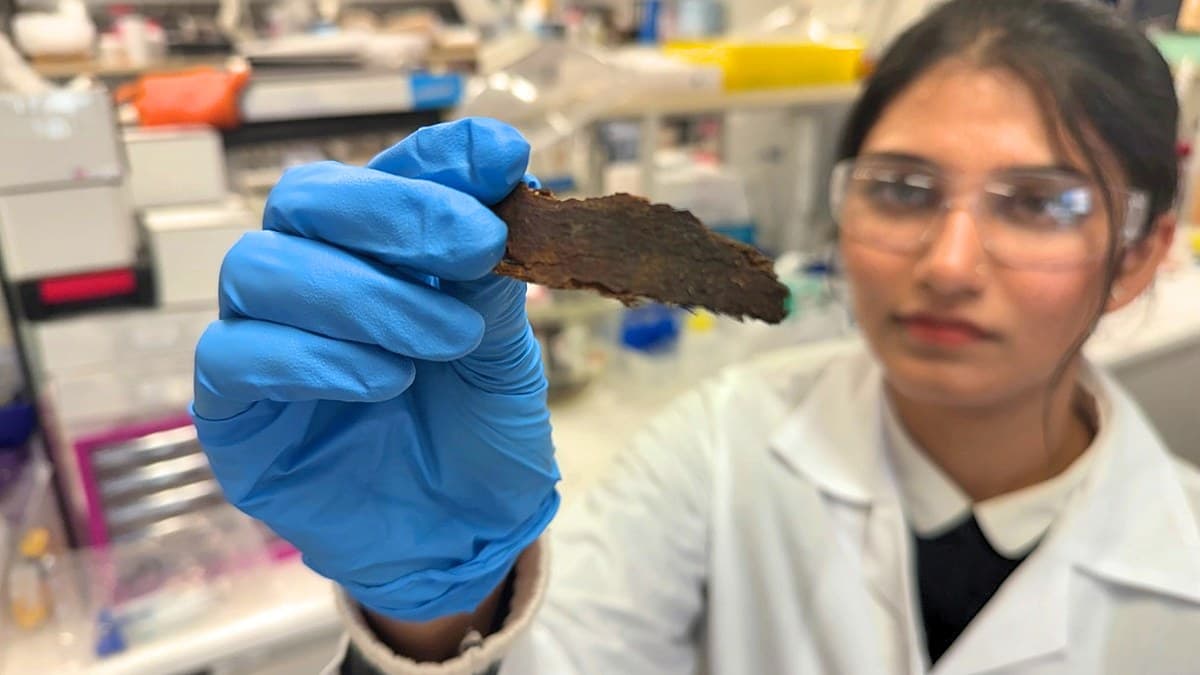
RMIT Turns Eucalyptus Bark Waste Into Carbon-Capture Material
Why It Matters
The innovation provides a cheap, locally sourced sorbent that could reduce the cost of climate‑mitigation technologies while diverting forestry waste, advancing circular‑economy objectives.
Key Takeaways
- •One-step activation turns eucalyptus bark into high‑surface‑area carbon
- •Material captures CO₂, filters air, and purifies water in lab tests
- •Uses abundant Australian bark, cutting feedstock transport and processing costs
- •Scale‑up and durability testing still required before commercial deployment
Pulse Analysis
The surge in biomass‑derived carbons reflects a broader shift toward circular‑economy materials that turn waste into value. RMIT University’s latest breakthrough demonstrates that eucalyptus bark—a low‑grade by‑product of Australia’s vast eucalypt plantations—can be converted into a microporous carbon through a single activation step. Unlike conventional multi‑stage processes that demand high energy and chemicals, the one‑step method is simple, scalable, and leverages a feedstock that would otherwise be discarded on the mill floor. This approach aligns with sustainability goals by reducing waste streams while creating a functional sorbent.
Laboratory adsorption tests revealed that the bark‑derived carbon exhibits strong affinity for carbon dioxide, volatile organic compounds, and dissolved contaminants, positioning it for diverse environmental applications. Its high surface area and tailored pore structure enable efficient air filtration, water purification, and industrial gas treatment at a fraction of the cost of commercial activated carbons derived from coal or coconut shells. Because eucalyptus grows abundantly across more than 900 species in Australia, the material offers a domestic, low‑transport feedstock, and the researchers suggest that Indigenous knowledge could help identify the most suitable species for optimized performance.
Despite promising results, the technology faces two critical hurdles before market entry: long‑term durability under real‑world conditions and the economics of scaling production. RMIT’s team plans extensive cycling and pilot‑scale trials to validate lifespan and cost competitiveness. If these challenges are overcome, the bark‑based carbon could lower capital expenses for carbon‑capture plants and municipal water treatment facilities, accelerating decarbonization pathways. Moreover, the study adds momentum to global efforts to valorise forestry residues, offering policymakers a tangible example of waste‑to‑resource innovation that supports climate targets.
RMIT Turns Eucalyptus Bark Waste Into Carbon-Capture Material
Comments
Want to join the conversation?
Loading comments...