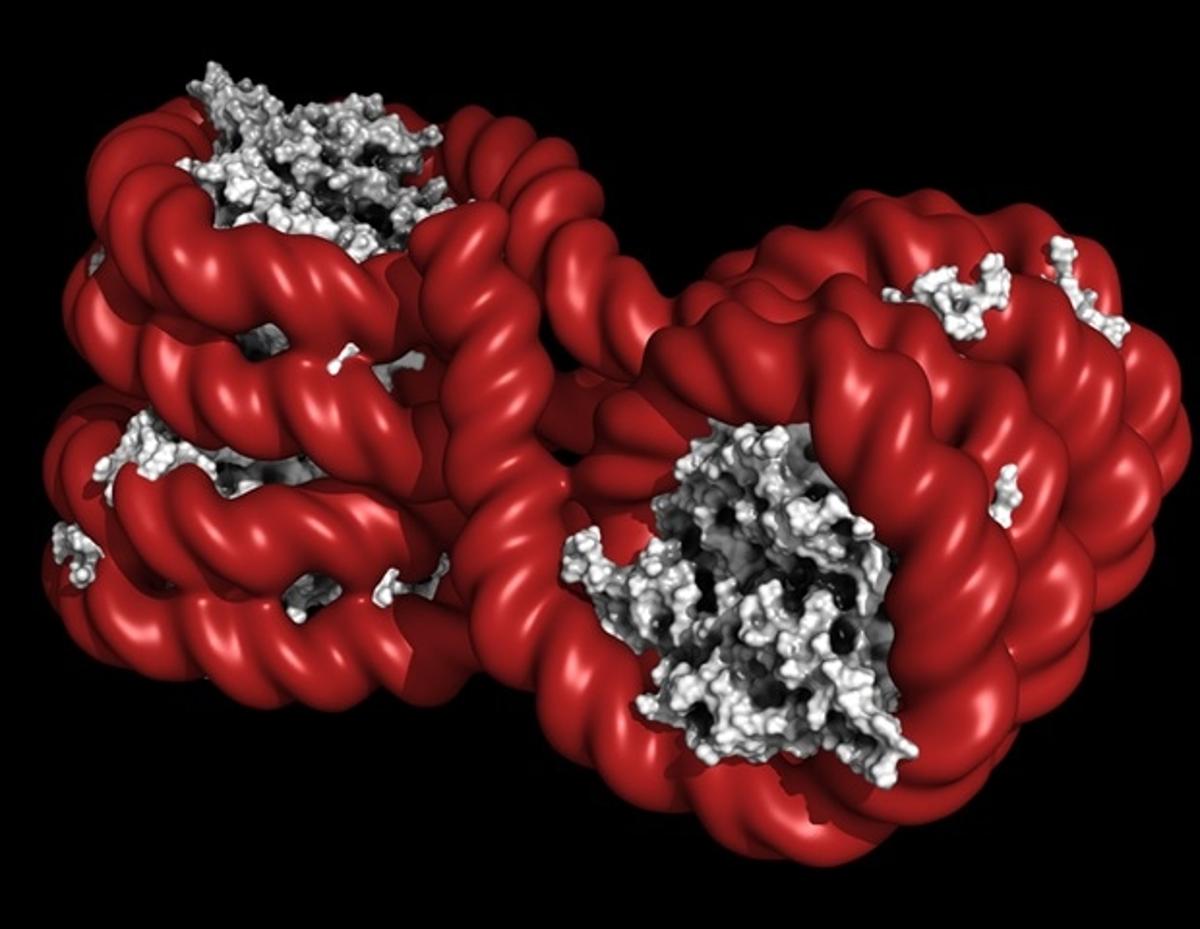
RNA Regulator RBM15 Linked to Immunity, Metabolism, and Cancer Progression
Why It Matters
RBM15 sits at the intersection of epigenetics, metabolism and immunity, making it a high‑value target for next‑generation therapies across oncology, endocrinology and cardiology. Understanding its mechanisms could unlock more effective, personalized interventions for multiple chronic diseases.
Key Takeaways
- •RBM15 drives m6A methylation, altering RNA stability
- •Dysregulated RBM15 promotes tumor growth in lung, liver, cervical cancers
- •Modulates glucose and lipid metabolism, linking RBM15 to diabetes
- •Regulates macrophage activity and inflammatory signaling pathways
- •Small‑molecule and gene‑editing approaches aim to target RBM15
Pulse Analysis
RNA N6‑methyladenosine (m6A) is the most abundant internal modification of eukaryotic transcripts, shaping stability, splicing and translation. RBM15, a member of the WTAP‑METTL3 complex, recruits the methyltransferase machinery to specific consensus sites, thereby directing the epitranscriptomic landscape. Recent structural studies reveal how RBM15’s RNA‑binding domains recognize motifs near splice junctions, granting the protein precise control over gene expression programs. This mechanistic insight explains why RBM15 has emerged as a hub linking epigenetic regulation to diverse cellular phenotypes.
In disease models, aberrant RBM15 activity correlates with aggressive tumor behavior. Overexpression has been documented in lung, hepatocellular and cervical carcinomas, where it amplifies oncogenic pathways such as PI3K‑AKT and Wnt/β‑catenin, fostering proliferation and metastasis. Parallel studies link RBM15‑driven m6A changes to metabolic dysregulation, impairing glucose uptake and lipid oxidation, which contributes to insulin resistance and fatty‑liver disease. Cardiovascular research shows that RBM15 modulates apoptosis and fibroblast activation after myocardial injury, while immunological data indicate it shapes macrophage polarization and cytokine release, tying the protein to inflammation.
These mechanistic links have sparked a wave of therapeutic exploration. Early‑stage programs are testing small‑molecule inhibitors that disrupt RBM15’s interaction with METTL3, aiming to blunt oncogenic m6A signatures without compromising global methylation. Concurrently, CRISPR‑based epigenome editors are being engineered to fine‑tune RBM15 expression in metabolic tissues, offering a route to restore insulin sensitivity. While preclinical efficacy appears promising, challenges remain in achieving tissue‑specific delivery and avoiding off‑target effects. If resolved, RBM15‑centric strategies could become a cornerstone of precision medicine across oncology, endocrinology and cardiology.
RNA regulator RBM15 linked to immunity, metabolism, and cancer progression
Comments
Want to join the conversation?
Loading comments...