Why It Matters
Groundwater depletion threatens Brazil’s agricultural productivity and water security, echoing similar crises in other major aquifer systems worldwide. The findings underscore the urgency for integrated water‑resource management and climate‑adaptation policies.
Key Takeaways
- •Groundwater supplies ~55% of Brazil's total water use
- •GRACE satellites detect gravity changes linked to aquifer loss
- •Central and eastern aquifers show persistent drawdown over 21 years
- •Drought, deforestation, and intensive agriculture drive depletion
- •High‑resolution maps reveal regional groundwater trends invisible from surface data
Pulse Analysis
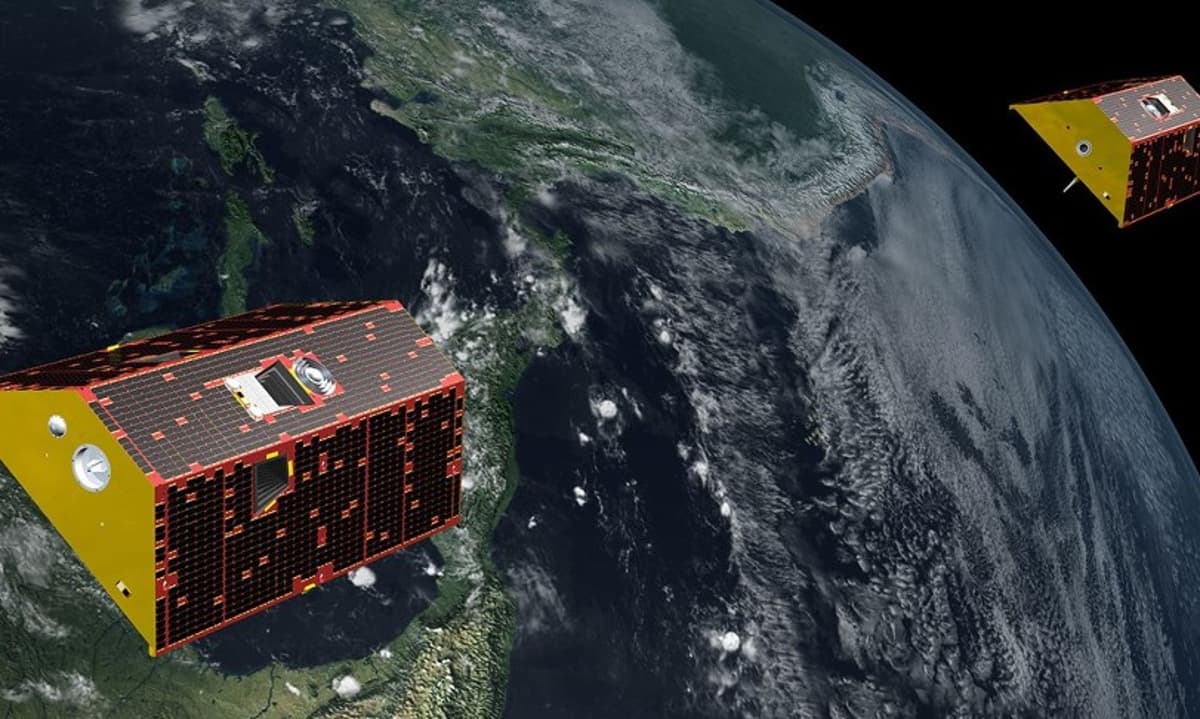
Satellite gravimetry has become a cornerstone for monitoring hidden water resources, and the GRACE and GRACE‑FO missions are at the forefront of this revolution. By measuring minute variations in Earth’s gravity field, scientists can infer changes in underground water storage that are otherwise undetectable from the surface. This capability has already transformed water management in arid regions of the United States and India, and the Brazil study adds a critical data set for a country where groundwater underpins half of all water consumption.
In Brazil, the new maps expose a stark contrast between the Amazon basin’s seasonal groundwater swings and the chronic decline observed in the nation’s agricultural heartland. Central and eastern aquifers, which support soy, corn and coffee production, have been losing water at a rate that outpaces natural recharge. The study links this trend to a combination of prolonged drought, accelerated deforestation, expanding cropland, and intensified mining activities, all of which amplify extraction pressures and reduce the land’s ability to replenish underground reservoirs.
The implications are clear: policymakers must integrate satellite‑derived groundwater data into national water‑resource strategies to avert a looming crisis. Sustainable extraction limits, investment in artificial recharge projects, and stricter land‑use regulations could help stabilize aquifer levels. Moreover, the Brazil case illustrates the broader value of remote sensing for early warning systems, enabling governments worldwide to act before groundwater loss becomes irreversible.
Satellites Measure Receding Aquifier Levels In Brazil
Comments
Want to join the conversation?
Loading comments...