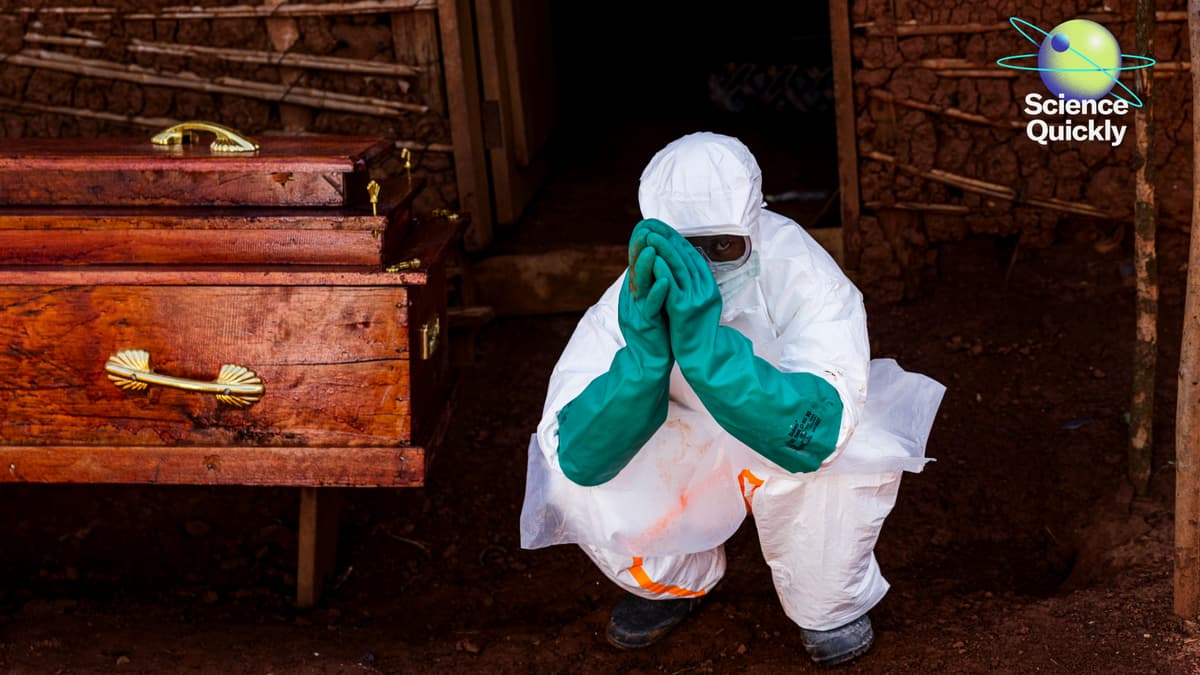
Scientists Are Racing to Stop a Type of Ebola We Have No Vaccine For
Why It Matters
Without a vaccine and with limited U.S. support, the outbreak threatens to outpace containment efforts, underscoring gaps in global health security and the need for sustained funding for epidemic response.
Key Takeaways
- •Bundibugyo Ebola strain lacks approved vaccine or specific treatment
- •Outbreak declared a public‑health emergency; >1,000 suspected cases
- •Conflict in DRC hampers safe treatment sites and worker protection
- •U.S. aid cuts risk slowing containment and vaccine research
- •Policy shift: U.S. will not receive Ebola patients for care
Pulse Analysis
The Bundibugyo variant of Ebola, first identified in 2007, is part of the orthoebolavirus family but remains poorly understood compared with the more lethal Zaire strain. Its case‑fatality rate is slightly lower, yet the virus still causes severe hemorrhagic fever, organ failure, and death. Because no vaccine has been licensed for Bundibugyo, public‑health officials are scrambling to repurpose existing antibody therapies and antivirals like remdesivir, a strategy that carries both scientific promise and logistical uncertainty. This gap highlights the broader challenge of developing strain‑specific countermeasures for emerging pathogens.
Compounding the biomedical hurdles, the outbreak unfolds in a region plagued by armed conflict. Health facilities in eastern DRC have been caught in crossfire, and workers face threats of violence in addition to infection risk. The World Health Organization stresses the need for secure treatment centers, reliable personal protective equipment, and safe burial practices—requirements that are difficult to meet in a war zone. Moreover, recent reductions in USAID and State Department funding have strained the capacity to deploy rapid response teams, transport samples, and support community outreach, potentially allowing the virus to spread unchecked.
The United States' recent policy shift—refusing to bring Ebola patients onto American soil—marks a departure from the approach taken during the 2014‑2016 West Africa crisis. While the U.S. retains high‑containment facilities, the decision reflects broader political pressures and budget constraints. For global health security, this stance could delay critical clinical research and limit the sharing of clinical data that accelerate vaccine development. Sustained international collaboration, adequate funding, and swift deployment of experimental therapeutics remain essential to curb this outbreak before it escalates beyond the region.
Scientists are racing to stop a type of Ebola we have no vaccine for
Comments
Want to join the conversation?
Loading comments...