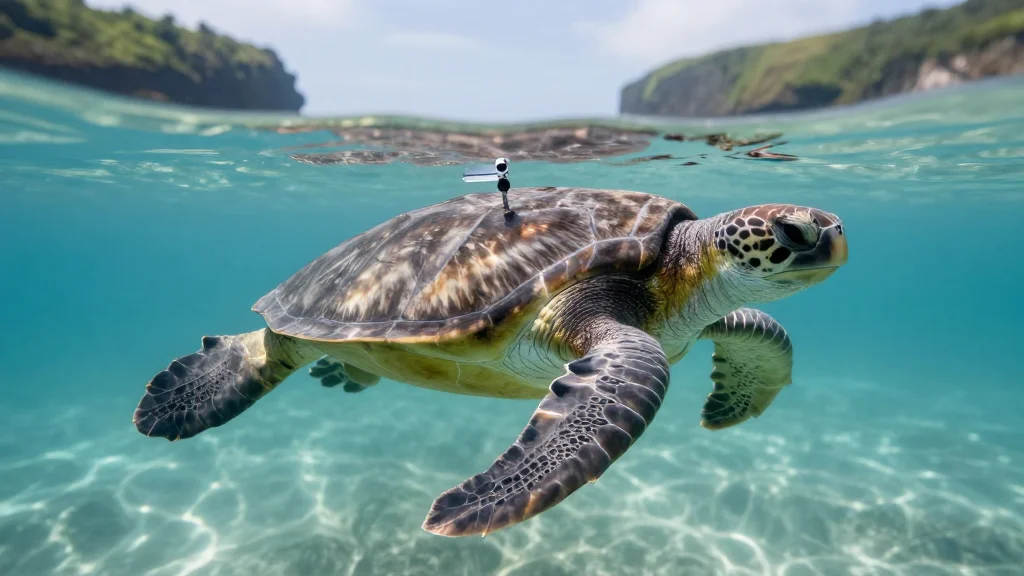
Scientists Deploy First Satellite Tag on a Leatherback Sea Turtle in Ecuador to Better Reveal Gaps in Ocean Protection
Why It Matters
Understanding real‑time migration and dive behavior enables precise mitigation of fishing‑gear interactions, essential for preventing the collapse of a critically endangered species and informing marine‑protected‑area design.
Key Takeaways
- •First leatherback satellite‑tagged in Ecuador's Pacific coast
- •Eastern Pacific population under 1,000 individuals remaining
- •Artisanal gillnets cause most bycatch deaths
- •Each tag costs about $5,000, funded by grants
Pulse Analysis
The debut of satellite telemetry on an Ecuadorian leatherback represents a pivotal expansion of marine‑science capabilities in a region long overlooked by researchers. While Mexico and Costa Rica have supplied most tracking data, the Eastern Pacific’s southern corridor remains a blind spot, hindering efforts to map critical foraging and nesting habitats. By equipping Lucero with a Wildlife Computers tag that logs surface positions and deep‑dive profiles, scientists can now chart her routes across coastal shelves and open ocean, revealing seasonal corridors that intersect with human activity.
Artisanal fisheries dominate Ecuador’s eastern tropical Pacific, deploying thousands of small‑scale boats that rely on large‑mesh gillnets—gear notorious for entangling leatherbacks. The new telemetry data will pinpoint where turtles surface and dive, allowing managers to overlay fishing effort maps and identify high‑risk zones. Such spatial intelligence is indispensable for crafting dynamic management tools, from time‑area closures to gear‑modification incentives, that reduce incidental capture without crippling local livelihoods.
Beyond immediate risk mitigation, the tagging program sets a precedent for collaborative, data‑driven conservation in developing nations. The $5,000 per‑tag investment, underwritten by a National Geographic grant, leverages limited resources to generate long‑term returns in biodiversity preservation and eco‑tourism potential. As more individuals are tracked, patterns will emerge that support the designation of marine protected areas and inform international policy discussions on bycatch reduction, ultimately bolstering the survival prospects of the world’s largest sea turtle.
Scientists Deploy First Satellite Tag on a Leatherback Sea Turtle in Ecuador to Better Reveal Gaps in Ocean Protection
Comments
Want to join the conversation?
Loading comments...