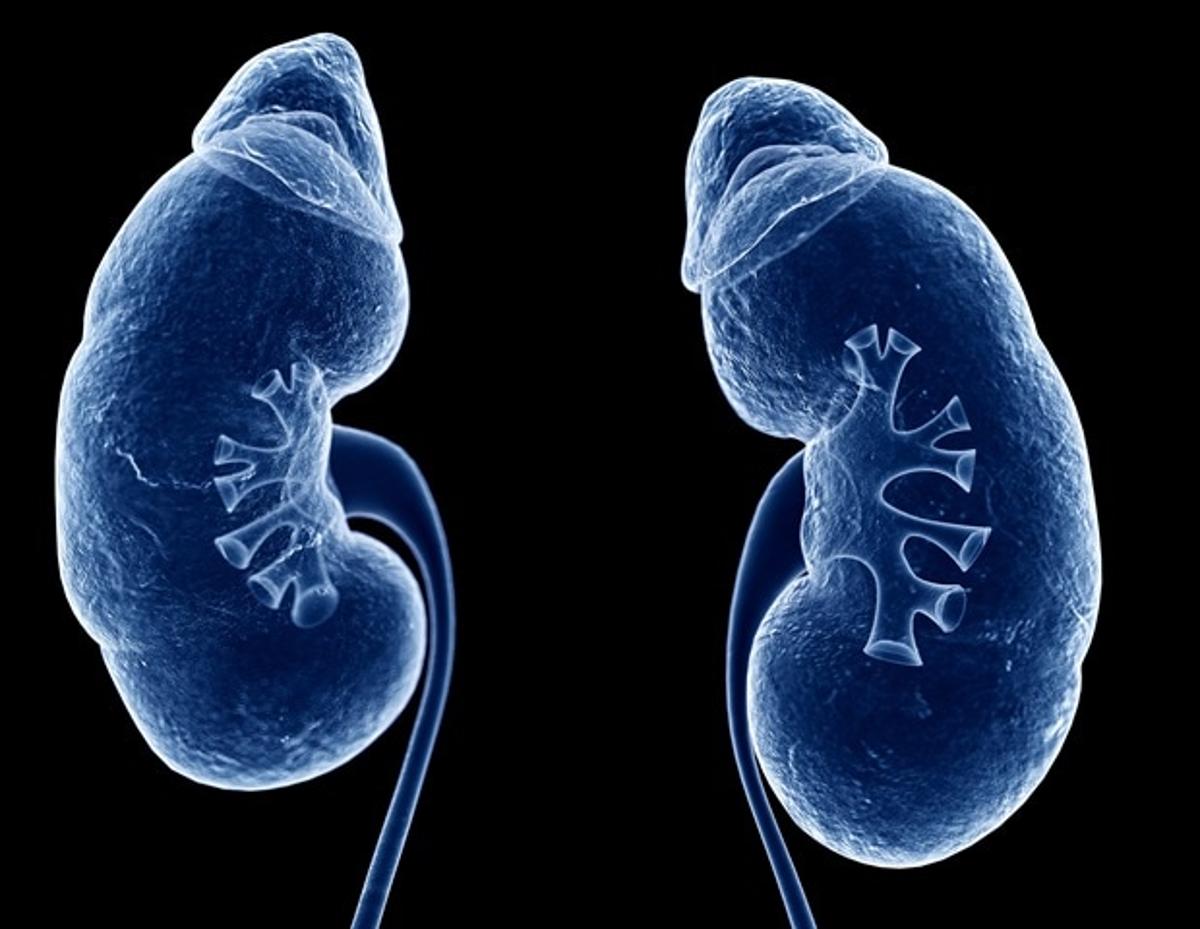
Scientists Develop Advanced Lab-Grown Kidney Organoids for Disease Research
Why It Matters
More faithful kidney models can uncover early disease mechanisms and reduce costly drug‑development failures, while paving the way toward regenerative transplant solutions.
Key Takeaways
- •USC team created hSKOs combining nephron and ureteric bud structures.
- •Organoids replicate kidney filtration and urine collection, functional in mice.
- •Researchers will model CKD and ADPKD using diverse stem‑cell lines.
- •hSKOs could predict drug‑induced kidney toxicity, cutting trial failures.
- •Long‑term goal: lab‑grown kidneys for transplant patients.
Pulse Analysis
The emergence of organoid technology has transformed how scientists study complex organs, but kidneys have remained especially elusive due to their intricate architecture of multiple cell types. By mimicking embryonic self‑assembly, the USC team coaxed two progenitor lineages—nephron and ureteric bud cells—into a spatially organized assembloid that mirrors both filtration and urine‑drainage pathways. This bio‑engineering breakthrough bridges a critical gap between simplistic cell cultures and full‑organ physiology, offering researchers a platform that behaves more like a living kidney than any prior model.
Beyond basic science, the hSKOs open new avenues for disease modeling. Chronic kidney disease affects roughly one in seven American adults, and autosomal‑dominant polycystic kidney disease lacks early‑stage tissue samples. By generating organoids from stem‑cell lines representing multiple ethnic groups, investigators can observe cyst formation and test therapeutic interventions in a controlled, human‑relevant context. Such diversity‑aware models address longstanding biases in biomedical research and could accelerate the identification of biomarkers for early diagnosis.
From an industry perspective, kidney toxicity remains a leading cause of drug attrition, costing billions in delayed approvals. The functional readouts of hSKOs—filtering capacity, hormone secretion, and gene expression—provide a high‑fidelity screen for nephrotoxic effects before compounds enter costly clinical phases. If adopted broadly, this could shrink the 10% failure rate linked to renal toxicity, shortening development timelines and improving patient safety. In the longer view, the same assembly principles may eventually yield transplantable kidneys, reshaping the organ‑replacement landscape.
Scientists develop advanced lab-grown kidney organoids for disease research
Comments
Want to join the conversation?
Loading comments...