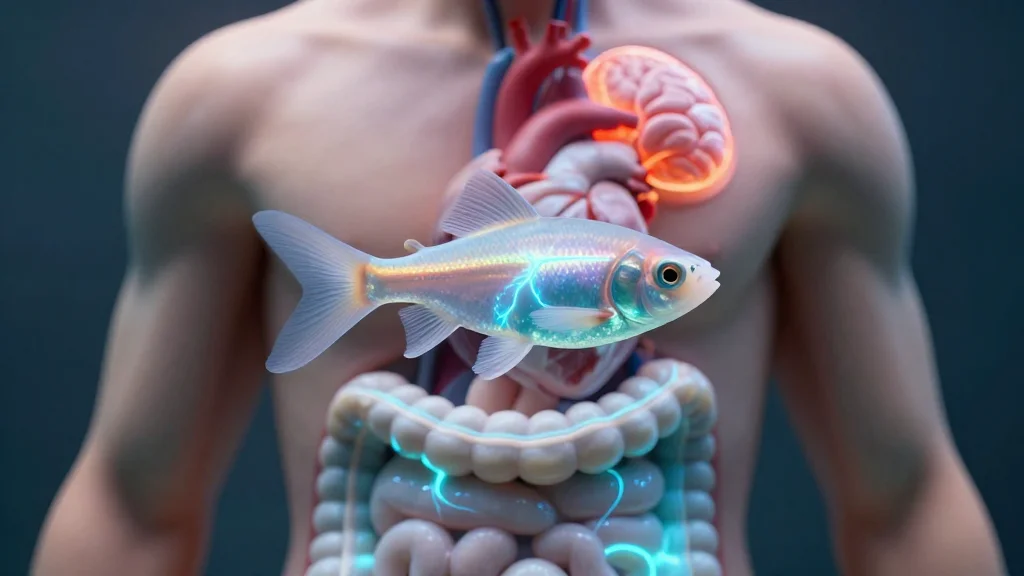
Scientists Discover a New Gut-Brain-Heart Connection that Regulates Blood Pressure
Why It Matters
The discovery links microbiome chemistry to cardiovascular control, opening a novel therapeutic avenue for hypertension, a leading global health burden.
Key Takeaways
- •IAA from gut microbes protects heart by calming hypothalamic neurons
- •Germ‑free zebrafish develop higher blood pressure and cardiac stiffness
- •Hypertensive adults show reduced circulating IAA, notably in females
- •IAA supplementation normalizes blood pressure via aryl hydrocarbon receptor
- •Targeting microbial metabolites may enable postbiotic hypertension therapies
Pulse Analysis
The interplay between the gut microbiome and cardiovascular health has moved from hypothesis to mechanistic proof. Hypertension, traditionally viewed as a renal‑vascular disorder, now appears to be modulated by microbial metabolites that travel to the brain. By breaking down dietary tryptophan into indole‑3‑acetic acid (IAA), certain gut bacteria generate a molecular brake on hypothalamic hypocretin neurons, dampening sympathetic outflow that would otherwise stiffen the heart. This gut‑brain‑heart axis adds a layer of complexity to blood‑pressure regulation, suggesting that dysbiosis can directly precipitate diastolic dysfunction.
In the study, transparent zebrafish larvae allowed real‑time visualization of cardiac function under low‑salt stress, a proxy for hypertensive challenge. Fish lacking a microbiome exhibited exaggerated blood‑pressure spikes and heart‑muscle enlargement, while IAA supplementation rescued normal physiology by activating the aryl hydrocarbon receptor on hypocretin cells. Human validation came from a matched cohort of 97 hypertensive and 97 normotensive adults, where plasma IAA levels were significantly lower in the patient group, with a pronounced deficit in women. Although observational, these data echo the animal findings and underscore IAA’s potential as a biomarker for vascular risk.
For the biotech sector, the results spotlight postbiotic therapeutics—formulations delivering specific microbial metabolites—as a promising class for hypertension management. Unlike probiotics, which rely on colonization, postbiotics can provide precise dosing of active compounds like IAA, bypassing variability in gut flora. Development pathways will need to address safety, optimal delivery, and regulatory classification, but the market opportunity is sizable given the $200 billion global antihypertensive drug spend. Ongoing research into additional microbiome‑derived signals could further expand the therapeutic landscape, positioning gut‑derived metabolites at the forefront of next‑generation cardiovascular care.
Scientists discover a new gut-brain-heart connection that regulates blood pressure
Comments
Want to join the conversation?
Loading comments...