Scientists Discover a Strange Hidden State in “Sandwich” Molecules
Why It Matters
Understanding the fleeting intermediates that govern metallocene formation unlocks new routes to design catalysts, sensors and drug‑delivery platforms, accelerating innovation in chemistry and materials science.
Key Takeaways
- •OIST team isolated doubly ring‑slipped ruthenocene intermediate.
- •First full crystal structure of double ring‑slip reported.
- •Findings map reaction pathway including single‑slip stage.
- •Insight challenges traditional 18‑electron rule for metallocenes.
- •Enables design of stimuli‑responsive metallocene materials.
Pulse Analysis
Metallocenes, the iconic "sandwich" compounds first reported in the 1950s, have long been a cornerstone of organometallic chemistry. Their utility spans catalysis, energy storage, sensor technology and emerging drug‑delivery systems, largely because the metal center is stabilized by two cyclopentadienyl rings that obey the 18‑electron rule. Yet the precise steps by which these rings attach, shift, or detach during synthesis have remained opaque, hampering efforts to engineer more complex or responsive derivatives.
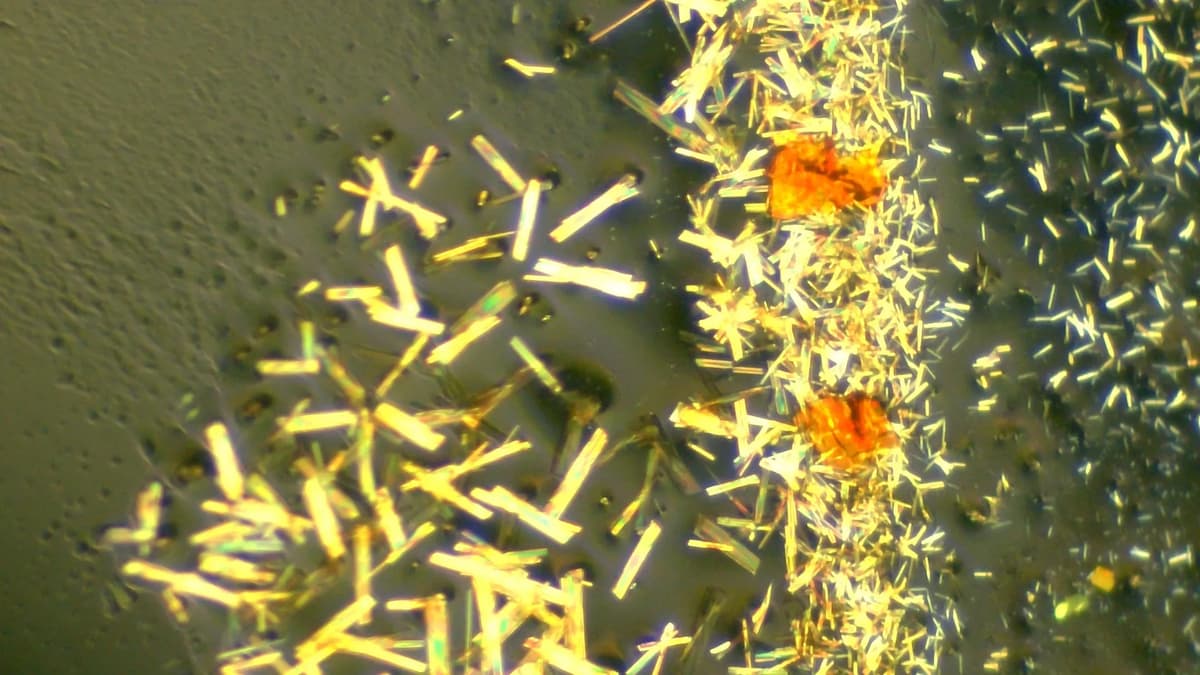
The breakthrough from OIST’s Organometallic Chemistry Group resolves a key piece of that puzzle. By trapping a ruthenium‑based intermediate that exhibits a double ring‑slip—where each cyclopentadienyl ring bonds through a single carbon instead of all five—the team captured the fleeting structure with single‑crystal X‑ray diffraction. Complementary NMR, mass spectrometry and density‑functional calculations mapped a subsequent single‑slip stage, delivering a complete mechanistic sequence from the initial complex to the conventional 18‑electron product. This level of structural detail, unprecedented for metallocene formation, challenges the assumption that such intermediates are too unstable to observe.
Beyond academic curiosity, the findings have practical ramifications. Knowing how ring‑slippage can be induced and controlled opens pathways to design metallocene frameworks that respond to external stimuli—temperature, light, or chemical triggers—making them attractive for smart catalysts or targeted drug carriers. Industries focused on advanced materials and sustainable chemistry can now explore tailored electron counts and dynamic bonding motifs, potentially accelerating the development of next‑generation functional materials. The work exemplifies how deep mechanistic insight translates into tangible innovation opportunities across multiple high‑tech sectors.
Scientists discover a strange hidden state in “sandwich” molecules
Comments
Want to join the conversation?
Loading comments...