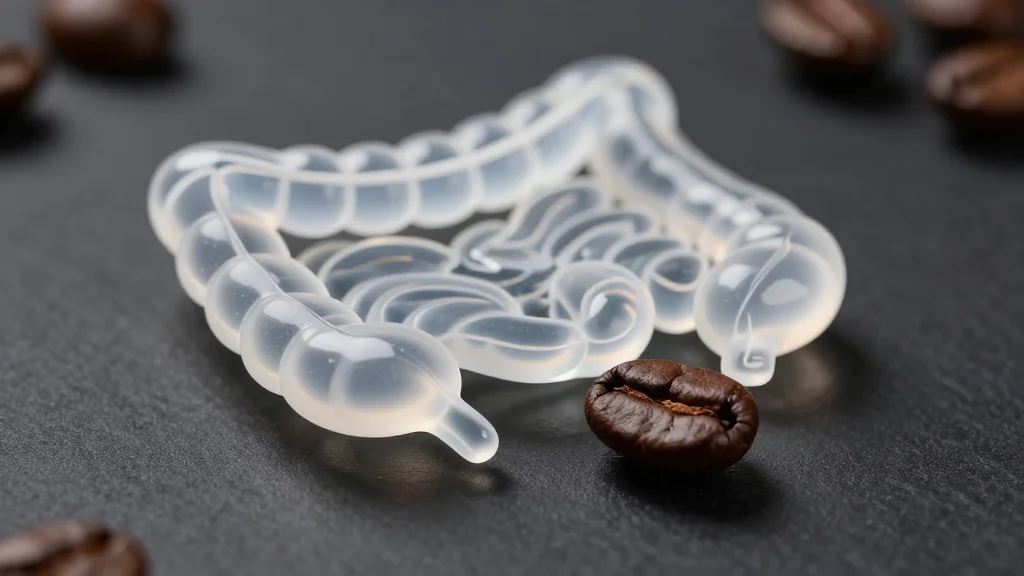
Scientists Discover How Coffee Interacts with the Gut Microbiome to Affect the Human Brain
Why It Matters
The findings demonstrate that everyday dietary choices like coffee can quickly modulate the microbiota‑gut‑brain axis, offering a mechanistic link between nutrition and mental health. This insight could inform personalized nutrition strategies and future interventions targeting mood and cognitive resilience.
Key Takeaways
- •Regular coffee alters gut bacteria like Cryptobacterium and Eggerthella
- •Both caffeinated and decaf reduce perceived stress and depressive symptoms
- •Decaf improves sleep quality and memory performance
- •Coffee withdrawal lowers impulsivity and emotional reactivity
- •Microbiome shifts occur within weeks of changing coffee intake
Pulse Analysis
Coffee is the world’s most consumed beverage, yet its health effects have been largely attributed to caffeine alone. Recent research expands that view by placing coffee within the microbiota‑gut‑brain axis, a bidirectional communication network where gut microbes influence brain function, immunity, and metabolism. Polyphenols—abundant in both caffeinated and decaffeinated brews—act as substrates for specific bacterial strains, prompting rapid compositional changes that can affect neurotransmitter precursors and inflammatory pathways. Understanding this dynamic helps explain epidemiological links between moderate coffee intake and reduced risk of neurodegenerative diseases.
In a tightly controlled experiment, 62 healthy adults were monitored through baseline, withdrawal, and re‑introduction phases. After a two‑week coffee abstinence, participants showed measurable reductions in impulsivity and emotional reactivity, underscoring the beverage’s acute impact on behavior. Re‑introducing four cups daily of either caffeinated or decaf coffee produced divergent yet beneficial outcomes: caffeine lowered anxiety and circulating inflammatory proteins, while decaf enhanced sleep quality and memory test scores. Both groups reported lower perceived stress and depressive symptoms, indicating that coffee’s non‑caffeinated compounds, especially polyphenols, play a substantial role in mood regulation.
The broader implication is a shift toward viewing diet as a modifiable lever for mental health through microbiome engineering. As microbial responses appear highly individualized—varying with genetics, baseline microbiota, and lifestyle—future research may enable precision nutrition that tailors coffee type and dosage to a person’s microbial profile. Large‑scale longitudinal studies will be needed to confirm whether these short‑term physiological shifts translate into long‑term protection against cognitive decline, offering a promising avenue for both clinicians and the food‑beverage industry.
Scientists discover how coffee interacts with the gut microbiome to affect the human brain
Comments
Want to join the conversation?
Loading comments...