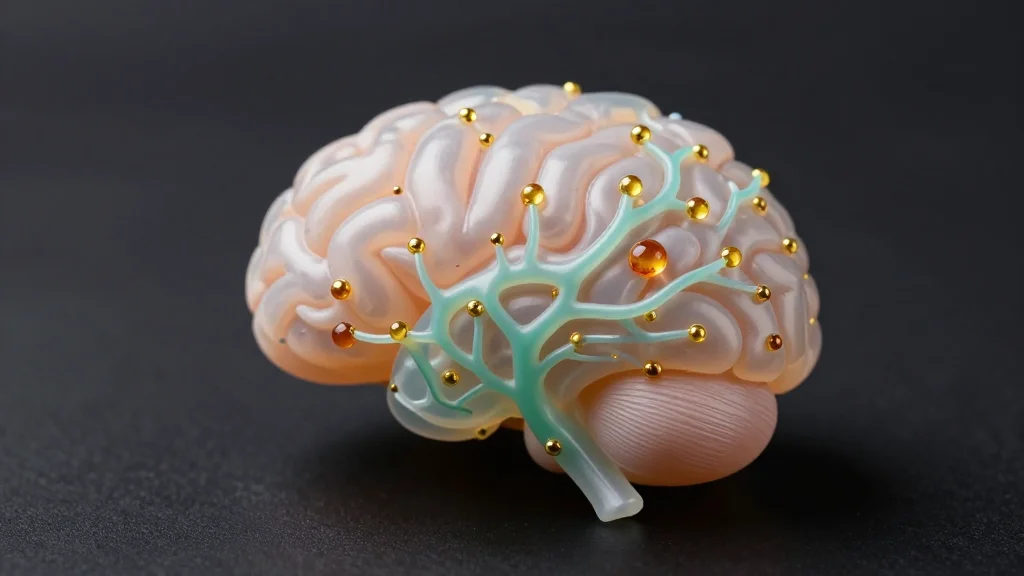
Scientists Discover How Cortisol Helps Lock in Early Neural Connections
Why It Matters
Understanding cortisol’s astrocyte signaling clarifies how early experiences shape brain wiring and offers a molecular target for disorders tied to premature or delayed critical period closure.
Key Takeaways
- •Astrocyte glucocorticoid receptors trigger maturation genes during visual critical period
- •Light‑induced cortisol spike at post‑natal day 14 drives astrocyte growth
- •Deleting the receptor reopens plasticity in adult mice, restoring visual rewiring
- •Human astrocyte data show GR activity peaks in adolescence, matching period closure
- •Early‑life stress may prematurely close critical periods via this hormone pathway
Pulse Analysis
Critical periods are windows of heightened neural plasticity that enable the brain to adapt to sensory input. Recent work reveals that astrocytes—once considered mere support cells—play a decisive role in ending these windows. When newborn mice first open their eyes, a light‑driven surge of corticosterone binds to glucocorticoid receptors on astrocytes, launching a cascade of gene expression that expands astrocyte processes and promotes the formation of perineuronal nets. These nets act as structural brakes, cementing synaptic connections and reducing the brain’s capacity for later rewiring.
The discovery reshapes how neuroscientists view stress hormones in development. By linking cortisol to astrocyte‑mediated maturation, the study provides a mechanistic bridge between early‑life stress and lasting cognitive outcomes. Elevated cortisol from trauma could accelerate the closure of critical periods, potentially contributing to neurodevelopmental disorders such as autism or anxiety. Conversely, pharmacologically modulating the glucocorticoid pathway might reopen plasticity windows, offering therapeutic avenues for stroke recovery, amblyopia, or age‑related learning deficits.
Human single‑cell atlases corroborate the mouse findings, showing that glucocorticoid receptor activity in astrocytes rises through childhood and peaks in adolescence—mirroring the timeline of critical period termination in humans. While translational hurdles remain, the research invites deeper exploration of the specific downstream genes and how they interact with other developmental signals. Future studies will need to assess safety, dosage, and timing before any clinical application, but the groundwork laid here positions cortisol‑astrocyte signaling as a promising target for reshaping brain plasticity across the lifespan.
Scientists discover how cortisol helps lock in early neural connections
Comments
Want to join the conversation?
Loading comments...