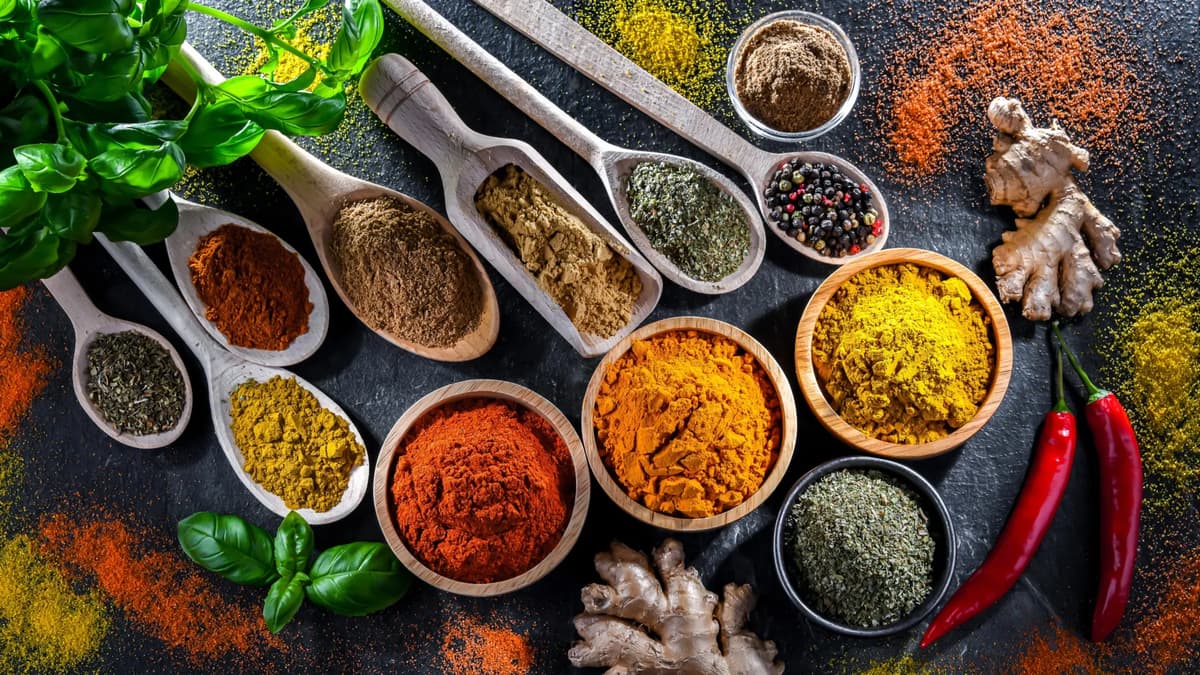
Scientists Discover Spice Synergy that Boosts Anti-Inflammation 100x
Why It Matters
The discovery validates the long‑held belief that food compounds act cooperatively, opening a pathway for low‑dose, spice‑based nutraceuticals that could curb chronic inflammation and its associated diseases.
Key Takeaways
- •Capsaicin, menthol, and 1,8‑cineole together cut inflammation hundreds‑fold.
- •Synergy arises from simultaneous activation of TRP‑dependent and independent pathways.
- •Study used murine macrophages stimulated with lipopolysaccharide.
- •Low‑dose spice blends may achieve therapeutic anti‑inflammatory effects.
- •Results could drive new functional foods and supplement formulations.
Pulse Analysis
Chronic inflammation underlies a host of modern ailments, from type 2 diabetes to heart disease, yet translating the anti‑inflammatory promise of phytochemicals into real‑world health gains has been hampered by dosage constraints. Individual plant compounds often require concentrations far beyond typical dietary intake to show measurable effects, prompting skeptics to question the practical relevance of “super‑food” labels. Recent research shifts this narrative by focusing on how multiple phytochemicals interact within cells, a concept rooted in traditional culinary practices but now backed by molecular science.
In a rigorously controlled study published in *Nutrients*, a team led by Prof. Gen‑ichiro Arimura examined the combined impact of capsaicin, menthol and 1,8‑cineole on LPS‑activated murine macrophages. While capsaicin alone modestly reduced cytokine release, pairing it with menthol or 1,8‑cineole amplified the effect by several hundred‑fold. The researchers traced this boost to concurrent engagement of TRP‑channel‑mediated calcium signaling (driven by menthol and 1,8‑cineole) and a distinct, TRP‑independent pathway leveraged by capsaicin. This dual‑mechanism synergy provides concrete evidence that the whole‑food matrix can outperform isolated extracts.
For the food‑tech and supplement sectors, the findings signal a strategic pivot toward formulation science that emphasizes synergistic blends rather than single‑ingredient isolates. By harnessing low‑dose combinations that trigger multiple intracellular routes, manufacturers can craft products with heightened efficacy while keeping ingredient loads minimal—an attractive proposition for regulatory compliance and consumer acceptance. Ongoing animal and human trials will be essential to confirm translational benefits, but the study already charts a clear roadmap for next‑generation anti‑inflammatory nutraceuticals and functional seasonings.
Scientists discover spice synergy that boosts anti-inflammation 100x
Comments
Want to join the conversation?
Loading comments...