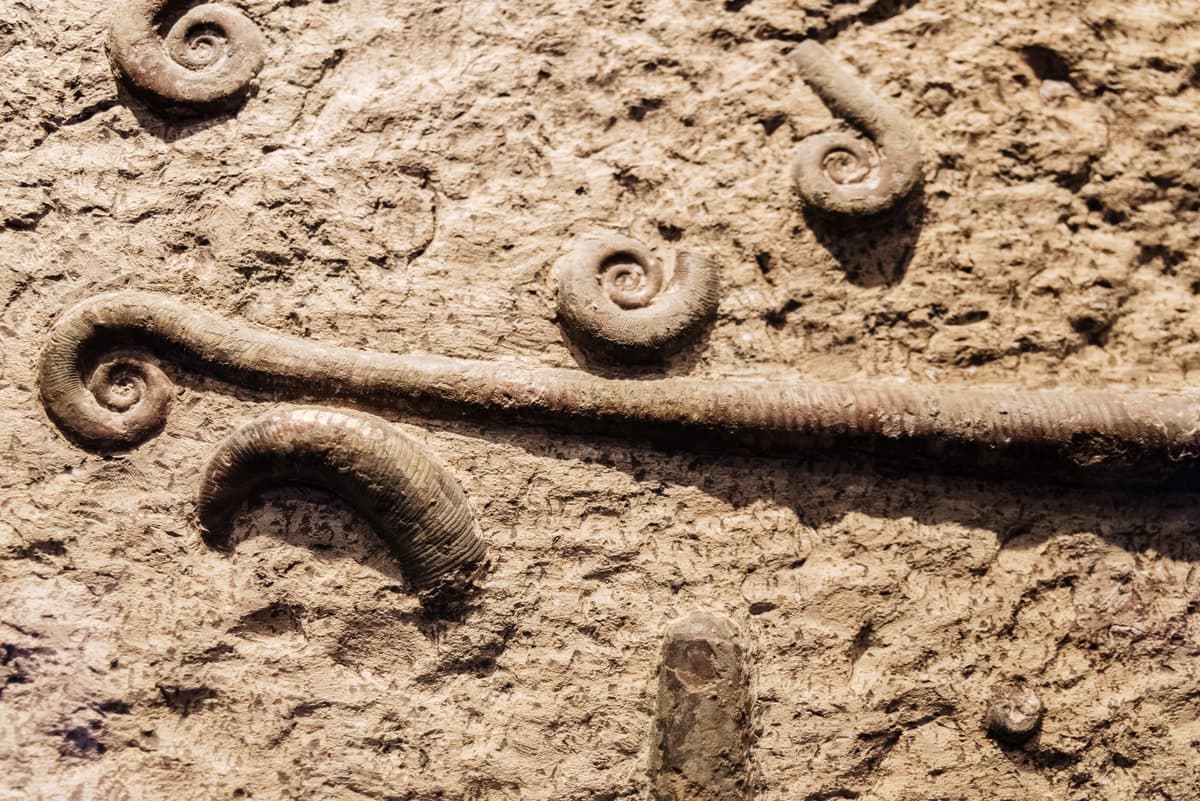
Scientists Discovered 700 Fossils That Rewrite What We Know About Life on Earth
Why It Matters
By extending the timeline of complex animal evolution, the Jiangchuan discovery reshapes our understanding of early animal diversification and the origins of vertebrate lineages, influencing evolutionary biology and paleontology research worldwide.
Key Takeaways
- •Jiangchuan Biota contains ~700 fossils dated 539‑554 Mya
- •Ediacaran fossils include chordates and deuterostomes, predating Cambrian
- •Findings suggest complex animal diversification began earlier than thought
- •Rare carbonaceous compression likely preserved these early soft‑bodied organisms
Pulse Analysis
The Jiangchuan Biota, unearthed in Yunnan Province, offers a rare window into life 540 million years ago, a period traditionally considered a quiet prelude to the Cambrian Explosion. By documenting over 700 specimens—including soft‑bodied chordates and deuterostomes—researchers have identified a suite of organisms that bridge the Ediacaran and Cambrian faunas. This continuity challenges the long‑held notion that complex animal forms erupted suddenly, suggesting instead a more gradual diversification that began well before the Cambrian burst.
Implications for evolutionary theory are profound. The presence of early chordates and ambulacrarians indicates that the genetic and developmental toolkit for vertebrate ancestry was already in place during the Ediacaran. Consequently, the timeline for the emergence of bilateral symmetry, segmentation, and other key traits must be revised upward, prompting paleontologists to re‑examine other Ediacaran sites for overlooked soft‑tissue preservation. This shift also influences molecular clock estimates, aligning fossil evidence with genomic data that hint at earlier divergences among animal phyla.
The exceptional preservation owes to carbonaceous compression, a fossilization mode that captures delicate soft tissues rarely seen in rocks of this age. Such conditions are scarce, explaining why similar assemblages have evaded discovery elsewhere. As scientists refine extraction and imaging techniques, the Jiangchuan Biota may serve as a template for locating comparable deposits globally. Ultimately, the find not only rewrites a chapter of Earth’s deep history but also underscores the importance of integrating novel fossil evidence with modern analytical tools to unravel the complex narrative of life’s early evolution.
Scientists Discovered 700 Fossils That Rewrite What We Know About Life on Earth
Comments
Want to join the conversation?
Loading comments...