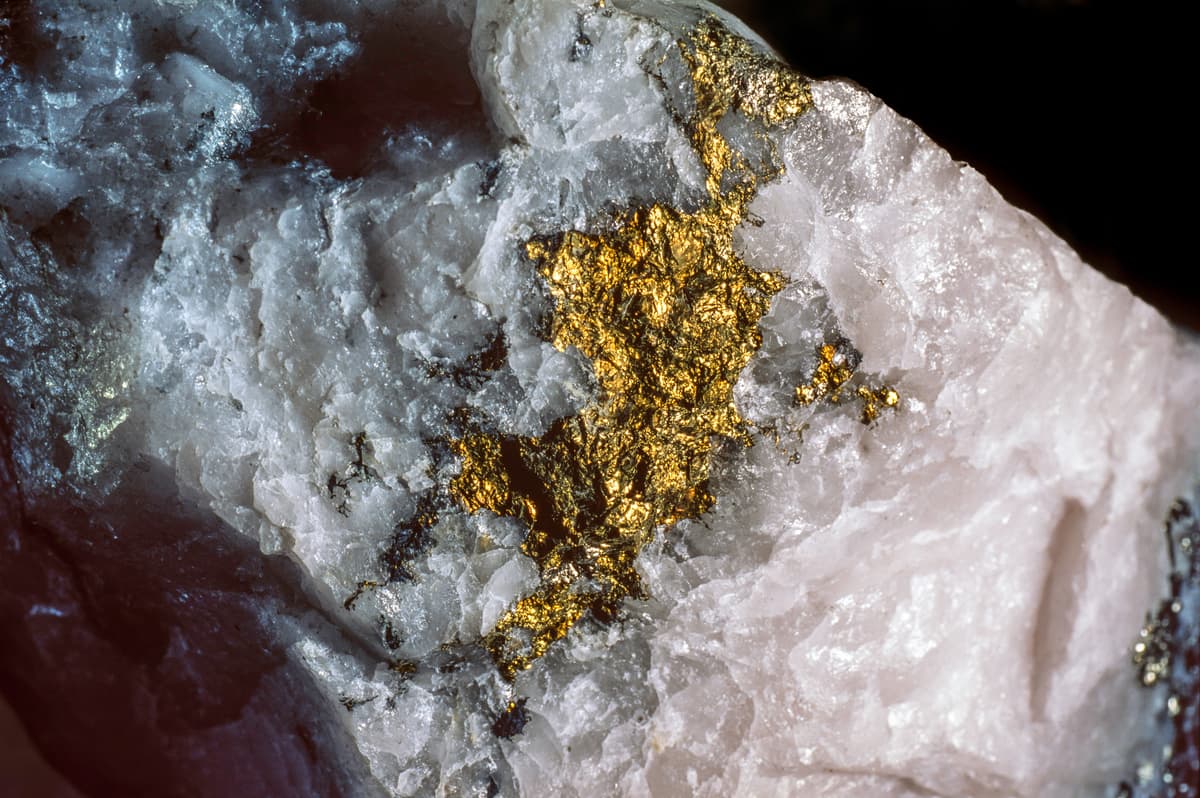
Scientists Discovered the Secret Behind Earth’s “Gold Kitchen”
Why It Matters
Understanding the melting dynamics that concentrate gold refines models of ore formation and subduction‑zone chemistry, guiding future exploration and advancing fundamental Earth science.
Key Takeaways
- •Kermadec glass samples contain gold up to six times ridge levels
- •High‑temperature hydrous melting breaks sulfide bonds, releasing gold into magma
- •Repeated mantle remelting amplifies gold enrichment in volcanic island arcs
- •Gold concentrations (~6 ng/g) remain far below economic mining thresholds
- •Findings improve models of subduction zone chemistry and metal transport
Pulse Analysis
The recent publication in *Communications Earth & Environment* spotlights the Kermadec Island Arc as a natural laboratory for studying gold enrichment. By analyzing 66 rapid‑cooling glass specimens from the seafloor, scientists captured a snapshot of magma chemistry before it solidifies. These glasses showed gold concentrations markedly higher than those from typical mid‑ocean ridges, prompting a deeper look into the arc’s unique thermal and fluid regimes.
At the heart of the discovery is the role of high‑temperature, water‑rich melting that exceeds the stability field of gold‑bearing sulfide minerals. When temperatures rise above this threshold, sulfur bonds break, freeing gold and other chalcophile elements into the melt. The study also highlights a cycle of repeated mantle remelting, which continuously refreshes the melt source and boosts metal concentrations. This mechanism explains why island arcs act as efficient “gold kitchens,” funneling metals from the deep mantle toward volcanic edifices.
While the measured gold levels—around six nanograms per gram—are far from mining viability, the implications extend beyond economics. The insights refine geochemical models of subduction zones, improving predictions of where precious‑metal deposits may form over geological timescales. Moreover, they underscore the importance of integrating high‑resolution glass analyses into broader tectonic studies. Future research may apply these findings to other arcs, enhancing our ability to map the planet’s hidden metal reservoirs and better understand the dynamic processes shaping Earth’s crust.
Scientists Discovered the Secret Behind Earth’s “Gold Kitchen”
Comments
Want to join the conversation?
Loading comments...