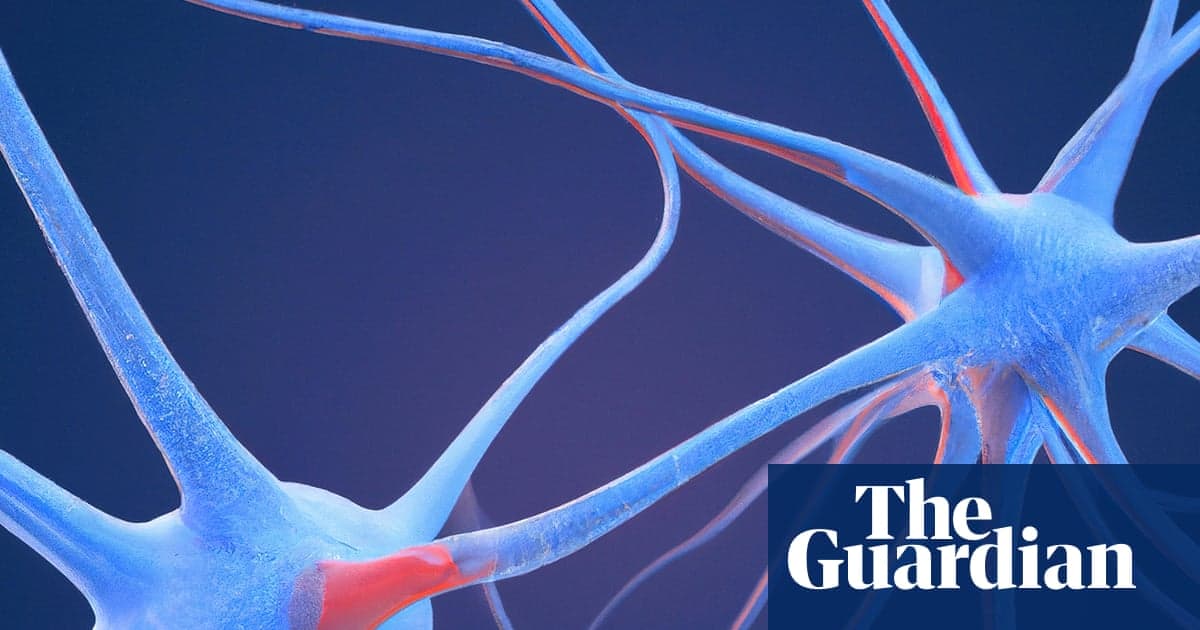
Scientists Identify ‘Neural Fingerprint’ of Psychedelic Drugs in the Brain
Why It Matters
The discovery provides a mechanistic anchor for the burgeoning field of psychedelic therapeutics, bolstering confidence among clinicians, investors, and regulators that these substances act via a reproducible neural pathway.
Key Takeaways
- •Study analyzed 500+ scans from 267 participants.
- •Five psychedelics share a common neural fingerprint.
- •Flattened brain hierarchy drives heightened cross‑talk.
- •Findings support therapeutic potential for mental‑health disorders.
- •Largest coordinated psychedelic brain‑imaging effort to date.
Pulse Analysis
The surge of interest in psychedelic compounds has outpaced the scientific groundwork needed to translate them into approved medicines. Early neuroimaging work suffered from limited sample sizes and heterogeneous protocols, leaving the field on "shaky ground." By aggregating eleven datasets across five countries, the new study establishes a robust, reproducible signal that transcends individual drug idiosyncrasies. This methodological leap not only validates past findings but also sets a new benchmark for collaborative brain‑imaging initiatives in psychopharmacology.
At the heart of the research is a "neural fingerprint" characterized by a flattening of the brain's usual hierarchical order. Normally, higher‑order cortical regions dominate information flow, while sensory and subcortical areas play supporting roles. Under psychedelics, this hierarchy collapses, allowing extensive cross‑talk between networks responsible for abstract thought and those governing vision, sensation, and habit formation. The result is a brain state where disparate modules exchange signals more freely, offering a plausible neural basis for the profound alterations in perception and self‑identity reported by users. Importantly, the data refute the notion that psychedelics cause wholesale network disintegration, instead highlighting a re‑routing of communication pathways.
Clinically, the findings carry weight for ongoing trials targeting depression, PTSD, and other refractory conditions. A shared neural mechanism suggests that diverse psychedelic agents could be interchangeable or synergistic in therapeutic protocols, simplifying drug development pipelines. Moreover, regulators and insurers can now reference a concrete biological marker when evaluating safety and efficacy, potentially accelerating approval processes. For investors and biotech firms, the study signals a maturing science that may de‑risk future funding rounds, while encouraging the industry to adopt large‑scale, standardized imaging consortia to further refine dosage, patient selection, and long‑term outcomes.
Scientists identify ‘neural fingerprint’ of psychedelic drugs in the brain
Comments
Want to join the conversation?
Loading comments...