Scientists Link ADHD Genetic Scores to Disrupted Neural Timing
Why It Matters
Demonstrating a direct genetic‑neural pathway offers a measurable biomarker for ADHD, potentially accelerating personalized therapeutic development. It also clarifies why existing genetic risk scores have struggled to translate into observable behavior.
Key Takeaways
- •Higher ADHD polygenic scores predict irregular midfrontal theta timing
- •Theta timing irregularities are linked to poorer cognitive control
- •Autism polygenic scores showed no association with theta timing
- •Study used 454 white young adults from Twins Early Development Study
- •Findings suggest a neural target for personalized ADHD interventions
Pulse Analysis
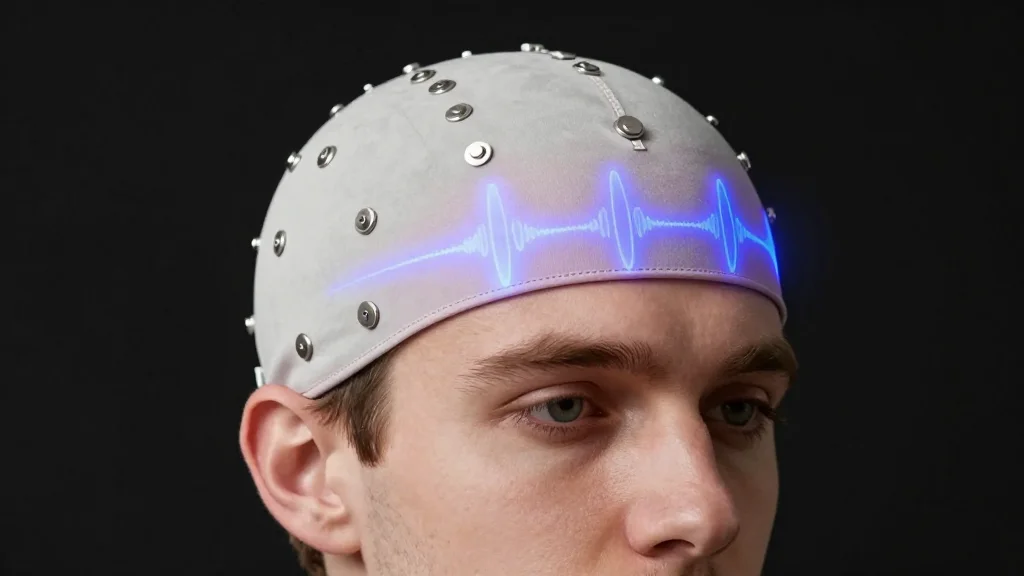
The convergence of genomics and neurophysiology is reshaping how scientists conceptualize attention‑deficit/hyperactivity disorder. Polygenic risk scores, which aggregate millions of common DNA variants, have long hinted at a hereditary component, yet translating that risk into a concrete brain phenotype remained elusive. By focusing on midfrontal theta oscillations—brain waves that synchronize frontal and parietal regions during conflict resolution—the researchers identified a quantifiable neural rhythm that mirrors genetic liability. This bridges the gap between abstract statistical risk and a tangible, time‑locked electrophysiological marker, offering a new dimension for ADHD research.
Midfrontal theta has been recognized as the brain's “conductor,” aligning disparate neural circuits when individuals must suppress distractions and act on goals. Prior studies linked theta power to task performance, but timing consistency had received less attention. The current work demonstrates that individuals with higher ADHD polygenic scores exhibit less stable theta timing, which correlates with the erratic reaction times characteristic of the disorder. Importantly, this relationship persisted after controlling for age, sex, and familial ties, underscoring a robust genetic influence on a core cognitive control mechanism.
Despite its promise, the study’s scope is limited by sample homogeneity and modest size, restricting generalizability across ethnic groups and potentially underpowering behavioral correlations. Future investigations will need larger, more diverse cohorts and multimodal imaging to map the downstream pathways from identified genetic loci—such as dopamine‑regulating genes—to theta network dynamics. If replicated, theta timing could serve as a pharmacodynamic endpoint, allowing clinicians to monitor treatment efficacy in real time and paving the way for genetically informed, precision‑medicine approaches to ADHD management.
Scientists link ADHD genetic scores to disrupted neural timing
Comments
Want to join the conversation?
Loading comments...