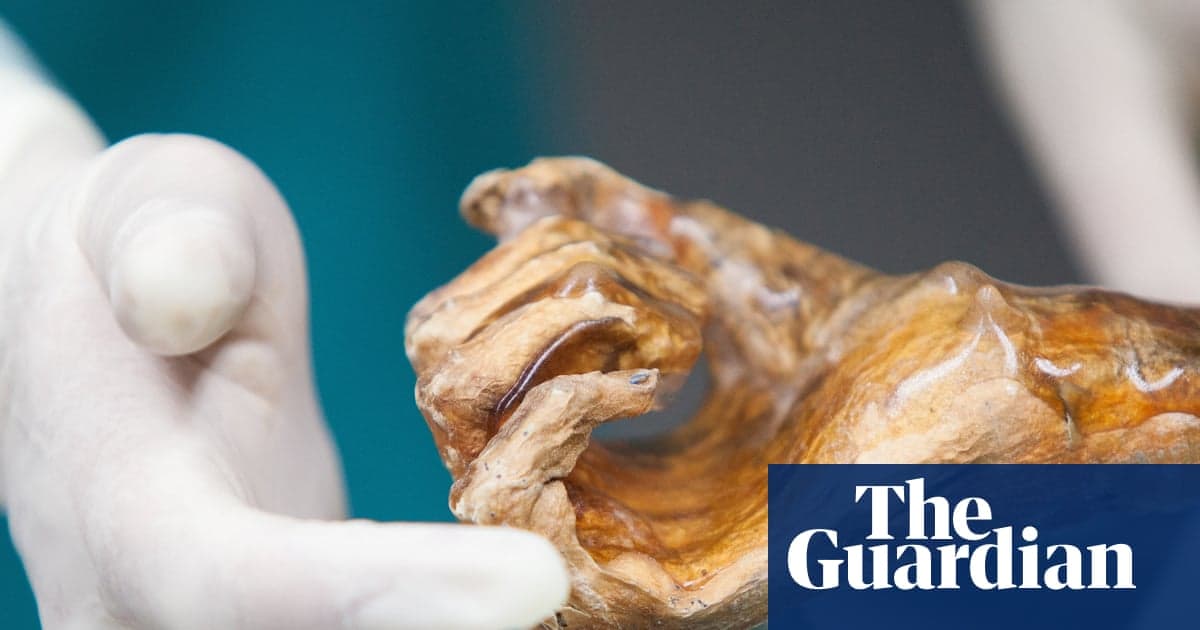
Scientists Make Sourdough Bread Using Yeast Found in 5,000-Year-Old Mummy
Why It Matters
Reviving prehistoric yeast shows that viable microbes can persist for millennia, opening new avenues for heritage food production and biotech research. Successful fermentation could spark novel artisanal products and deepen our understanding of ancient diets.
Key Takeaways
- •Researchers revived 5,000‑year‑old yeast from Ötzi’s remains
- •The ancient yeast performed like modern strains, rising dough in 24 hours
- •Plans include testing the yeast for traditional beer brewing
- •Findings reveal how microbes survive long after death in cold environments
- •Study bridges archaeology, microbiology, and food innovation
Pulse Analysis
The discovery of viable yeast in Ötzi’s frozen body highlights how extreme preservation can lock away living microorganisms for thousands of years. While Ötzi has long been a window into Copper Age life—offering insights into clothing, tools, and even the oldest known tattoos—this new microbiological angle adds a culinary dimension to his legacy. By extracting and culturing the ancient yeast, scientists have demonstrated that the cold Alpine environment acted as a natural cryogenic chamber, allowing the cells to remain dormant yet functional.
From a food‑science perspective, the ancient yeast behaved remarkably like contemporary Saccharomyces strains, leavening dough within a day. This suggests that the fundamental biochemistry of fermentation has remained stable across millennia, despite evolutionary pressures. The ability to harness such microbes could inspire a wave of heritage‑flavored breads and beers, offering consumers a taste that directly links modern palates to prehistoric gastronomy. Moreover, the experiment provides a template for reviving other ancient microbes, potentially unlocking novel enzymes or flavor compounds.
Beyond culinary novelty, the project sits at the intersection of archaeology, biotechnology, and sustainable food production. If the yeast proves viable for brewing, it could lead to limited‑edition beers marketed on the story of Ötzi, creating high‑value niche products. More importantly, the research underscores the broader potential of ancient DNA and microbiome studies to inform modern biotechnology, from developing resilient fermentation strains to understanding long‑term microbial survival mechanisms. As interdisciplinary collaborations expand, the line between historical curiosity and commercial innovation continues to blur, promising exciting developments for both scientists and consumers.
Scientists make sourdough bread using yeast found in 5,000-year-old mummy
Comments
Want to join the conversation?
Loading comments...