Scientists Map 239 Human-Infective RNA Viruses to Track Future Outbreak Risks
Why It Matters
Understanding which RNA viruses are most likely to cross the spillover barrier and sustain human transmission enables health agencies to prioritize surveillance and pre‑empt the next pandemic threat.
Key Takeaways
- •239 human‑infective RNA viruses cataloged, 25 new since 2018
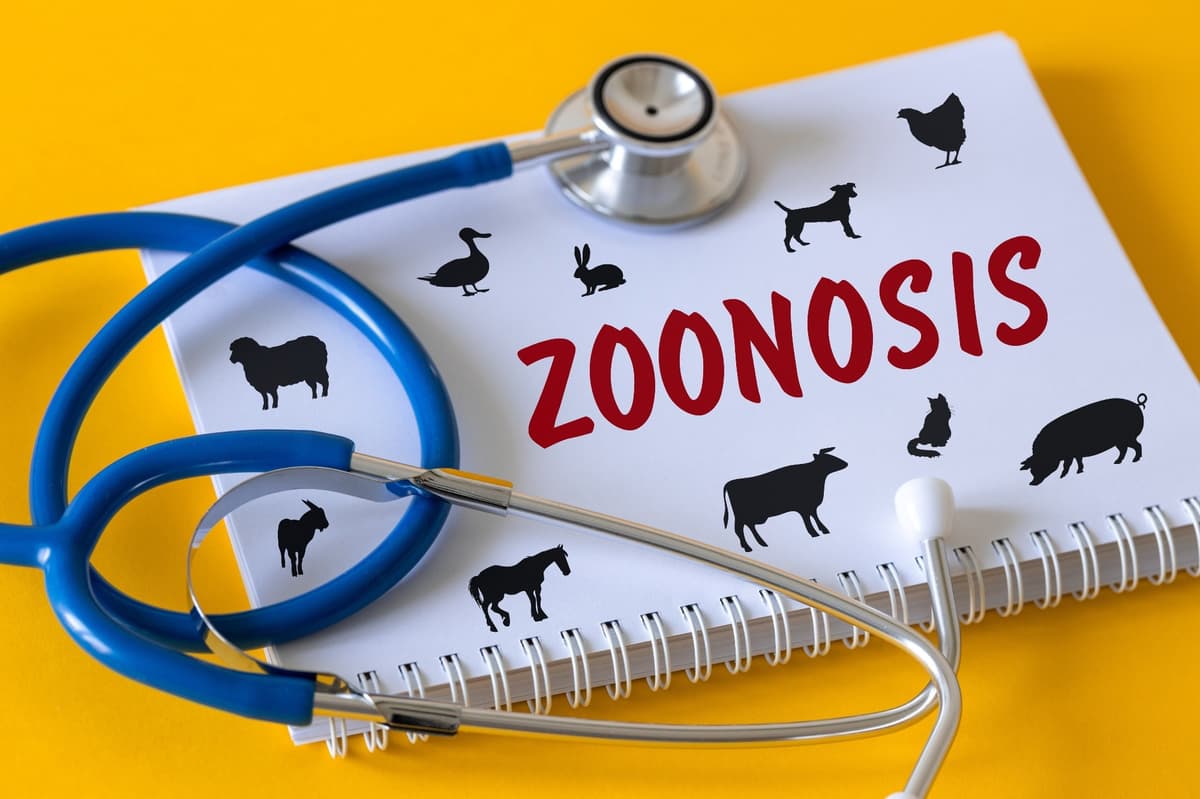
- •62% are strictly zoonotic, lacking sustained human‑to‑human transmission
- •Only 60 species achieve epidemic or endemic spread (Level 4)
- •Discovery peaks occurred in the 1960s and early 2000s
- •Vector‑borne routes dominate, highlighting mosquitoes and ticks as key drivers
Pulse Analysis
The newly released Scientific Data catalog marks a milestone for virology, expanding the known universe of human‑infective RNA viruses to 239 species. By integrating peer‑reviewed reports, genomic sequences, and epidemiological metadata, the authors deliver a searchable framework that captures discovery dates, host range, and transmission pathways. This level of granularity equips researchers and policymakers with a real‑time reference to assess emerging threats, moving beyond anecdotal case reports toward a systematic, data‑driven understanding of viral diversity.
Patterns emerging from the dataset reveal a concentration of risk within a handful of viral families and mammalian reservoirs. While 62% of the cataloged viruses remain strictly zoonotic, only 60 reach Level 4 transmissibility, underscoring a critical bottleneck between spillover events and sustained human spread. Historical spikes in virus identification during the 1960s and early 2000s reflect both advances in surveillance technology and heightened global health focus, yet the overall trajectory suggests that many spillovers go undetected in regions with limited diagnostic capacity.
For public‑health strategy, the catalog shifts the paradigm from hunting for unknown pathogens to targeting high‑risk lineages and ecological niches. By coupling the dataset with metagenomic sequencing and real‑time reporting, authorities can refine predictive models that flag viruses with epidemic potential before they proliferate. This proactive stance promises more efficient allocation of resources, faster vaccine development pipelines, and stronger early‑warning systems, ultimately reducing the societal and economic toll of the next RNA‑virus‑driven outbreak.
Scientists map 239 human-infective RNA viruses to track future outbreak risks
Comments
Want to join the conversation?
Loading comments...