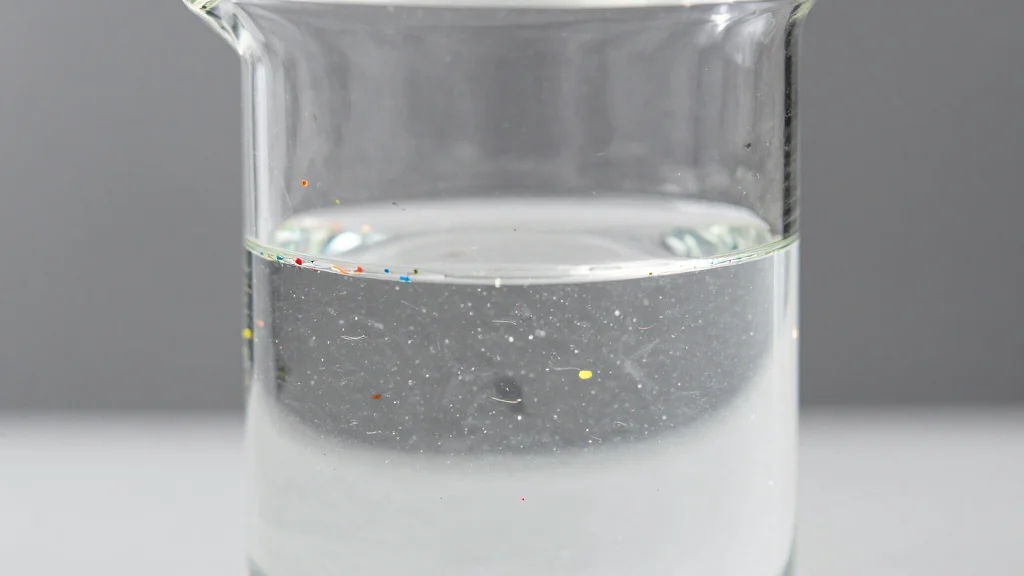
Scientists May Be Overestimating the Amount of Microplastics in the Environment – and the Culprit Is Lab Gloves
Why It Matters
Inflated microplastic data can misguide policy and health risk assessments, prompting unnecessary regulatory actions. Accurate measurement is essential for credible science and effective environmental protection.
Key Takeaways
- •Lab gloves release stearate particles that mimic microplastics in analyses
- •Up to 7,000 false particles per mm² can be introduced by gloves
- •Misidentified particles are often <5 µm, inflating health‑relevant microplastic counts
- •Automated spectroscopy struggles to differentiate stearates from polyethylene
- •Switching to stearate‑free gloves or glove‑free protocols reduces contamination risk
Pulse Analysis
Microplastic monitoring has become a cornerstone of environmental health research, yet the field grapples with methodological hurdles that can skew results. Traditional sampling protocols aim to avoid plastic contact, but the ubiquity of synthetic materials means contamination is almost inevitable. When researchers turn to vibrational spectroscopy—Raman or FTIR—to fingerprint particles, the technique’s sensitivity can become a double‑edged sword, flagging non‑plastic residues that share chemical signatures with common polymers. This baseline uncertainty sets the stage for the recent University of Michigan discovery.
The study pinpointed laboratory gloves as a hidden source of error. During sample handling, gloves coated with stearate salts—used in manufacturing to aid release—shed microscopic particles onto collection surfaces. Because stearates structurally resemble polyethylene, the most prevalent environmental plastic, spectroscopic algorithms frequently misclassify them as microplastics. Quantitatively, the researchers measured more than 7,000 spurious particles per square millimeter, many under 5 µm, a size range that poses the greatest biological risk. As labs adopt automated, high‑throughput analysis pipelines, the risk of systematic over‑reporting escalates, potentially inflating exposure estimates that inform public health guidelines.
Addressing this bias requires both procedural and material changes. Scientists are urged to forgo gloves when feasible or switch to stearate‑free alternatives designed for electronics manufacturing. In parallel, analytical software should incorporate reference spectra for common glove additives to filter false positives. By tightening quality controls, the research community can produce more reliable microplastic inventories, which in turn support evidence‑based regulation and targeted remediation efforts. Accurate data will also restore confidence among policymakers and the public, ensuring that resources are allocated to genuine environmental threats rather than artefacts of the laboratory bench.
Scientists May Be Overestimating the Amount of Microplastics in the Environment – and the Culprit Is Lab Gloves
Comments
Want to join the conversation?
Loading comments...