Scientists Outplant Experimental ‘Flonduran’ Corals in Florida’s Dry Tortugas National Park
Why It Matters
If the hybrid corals survive, they could provide a scalable pathway to rebuild Florida's lost reef structures and protect coastal economies from storm damage. Success would also validate cross‑regional genetic rescue as a climate‑adaptation tool for marine ecosystems.
Key Takeaways
- •35 Flonduran corals outplanted near Key Biscayne in 2023.
- •30+ lab‑grown elkhorn corals placed in Dry Tortugas this spring.
- •Cross‑breeding adds heat‑resilient genes from Honduran reefs.
- •Elkhorn corals deemed functionally extinct in Florida Keys.
- •Researchers will monitor survival during anticipated hot summer.
Pulse Analysis
The 2023 marine heatwave decimated Florida's iconic elkhorn coral, a keystone species that once built massive, wave‑breaking structures along the Gulf and Atlantic coasts. Their loss not only stripped habitats for fish and lobsters but also reduced natural coastal defenses, exposing shoreline communities to higher erosion and flood risk. As ocean temperatures continue to climb, scientists are racing to develop climate‑smart restoration methods that can outpace the pace of degradation.
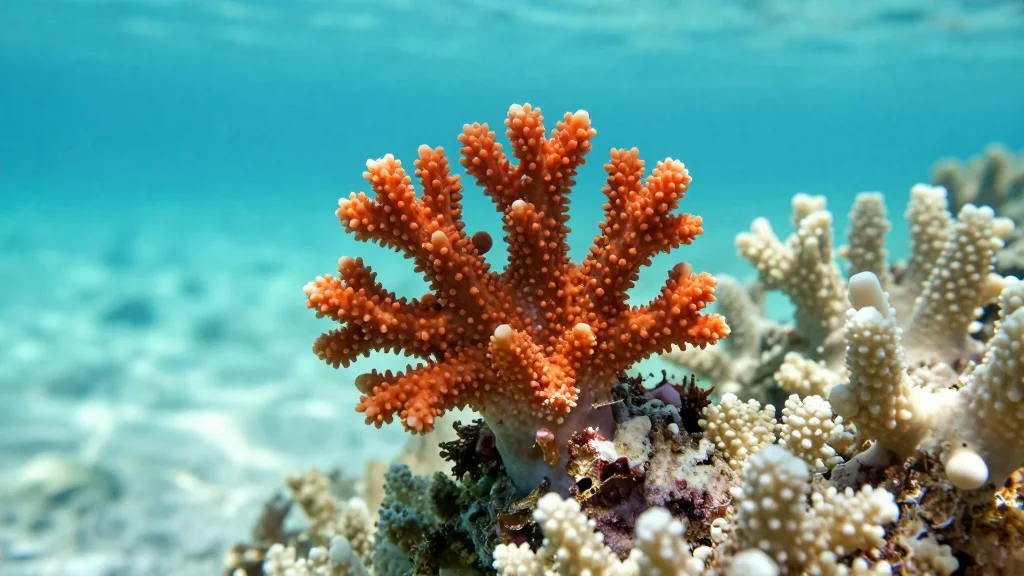
Enter the "Flonduran" experiment: a hybrid elkhorn coral created by fertilizing eggs from Florida colonies with sperm from resilient Honduran specimens collected in Tela Bay. By blending genetic material from a reef that thrives in warm, nutrient‑rich waters, researchers aim to endow the offspring with greater thermal tolerance while preserving the species' structural characteristics. After successful lab spawning, the first generation was outplanted near Key Biscayne, where early monitoring shows promising growth. This spring, a second cohort—half pure Florida, half hybrid—was installed on cinder blocks in the remote Dry Tortugas, providing a side‑by‑side field trial across distinct reef environments.
The broader significance extends beyond a single species. Demonstrating that cross‑regional breeding can produce heat‑resilient corals offers a template for other threatened reef builders worldwide. If the Dry Tortugas trial confirms survivability during the projected hot summer, restoration programs could scale up, integrating hybrid stock into larger outplanting initiatives and informing policy incentives for climate‑adapted marine conservation. Conversely, failure would underscore the limits of genetic rescue, prompting a reassessment of mitigation strategies and reinforcing the urgency of reducing greenhouse‑gas emissions to protect remaining coral ecosystems.
Scientists Outplant Experimental ‘Flonduran’ Corals in Florida’s Dry Tortugas National Park
Comments
Want to join the conversation?
Loading comments...