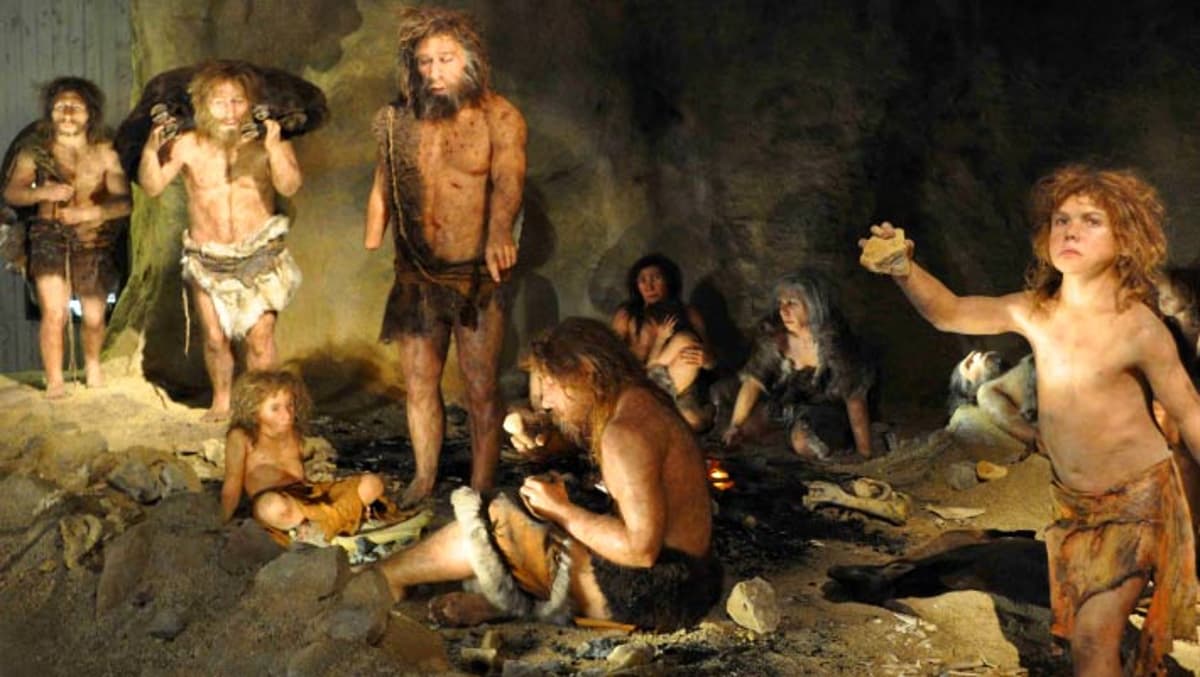
Scientists Reconstruct One of Oldest Known Neanderthal Communities
Why It Matters
The discovery offers the first coherent genetic picture of a Neanderthal group in Central‑Eastern Europe, reshaping models of their social structure and population dynamics. It also links distant European sites through a shared maternal lineage, informing debates on migration and genetic turnover.
Key Takeaways
- •mtDNA from eight fossils reveals at least seven Neanderthals in one group
- •Three individuals share identical mtDNA, indicating maternal kinship
- •Group lived 120,000‑92,500 years ago during a warm period
- •Maternal lineage matches specimens from France, Iberia, and Caucasus
- •Findings bridge genetic gap between early and later European Neanderthals
Pulse Analysis
The Stajnia Cave findings mark a milestone in paleo‑genomics, delivering the oldest known multi‑individual Neanderthal mitogenome dataset from Central Europe. By sequencing mitochondrial DNA from eight teeth, researchers reconstructed a tightly knit community that inhabited the Kraków‑Częstochowa Upland during a temperate interglacial phase. This level of genetic resolution—rare for specimens older than 100,000 years—allows scientists to infer familial ties, such as the three individuals sharing identical mtDNA, likely a mother and her offspring or close maternal relatives.
Beyond the immediate family connections, the study reveals a broader maternal lineage that spanned the continent. Comparable mtDNA signatures have been identified in Neanderthal remains from southeastern France, the Iberian Peninsula, and the northern Caucasus, suggesting a once‑widespread genetic network before later lineages supplanted it. This pattern challenges earlier assumptions of isolated regional groups and supports models of extensive mobility and gene flow among Neanderthal populations across Europe during the Middle Paleolithic.
The implications extend to archaeological dating practices as well. The researchers caution against over‑precision when radiocarbon dates approach calibration limits, emphasizing the need for integrated approaches that combine genetics, stratigraphy, and radiometric methods. As the field moves toward larger, multi‑individual datasets, discoveries like Stajnia will refine our understanding of Neanderthal social organization, migration routes, and the genetic turnover that preceded the arrival of anatomically modern humans in Europe.
Scientists Reconstruct One of Oldest Known Neanderthal Communities
Comments
Want to join the conversation?
Loading comments...