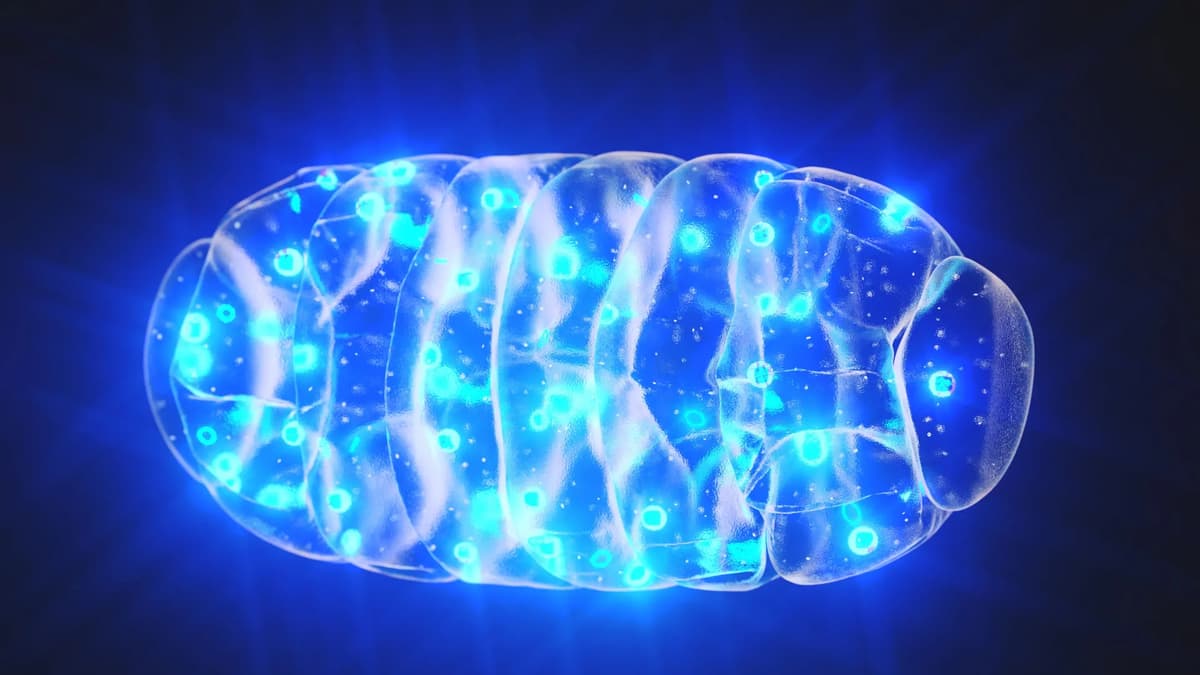
Scientists Reversed Memory Loss by Recharging the Brain’s Tiny Engines
Why It Matters
By linking brain‑cell energy failure to memory loss, the study reshapes dementia research and suggests that restoring mitochondrial function could become a viable strategy to slow or reverse cognitive decline. This paradigm shift may drive novel drug targets and biotech investments in neuro‑metabolic therapies.
Key Takeaways
- •Researchers used mitoDreadd‑Gs to boost mitochondrial activity in mice.
- •Enhanced mitochondria restored memory performance in dementia models.
- •Study establishes causal link between mitochondrial dysfunction and cognitive decline.
- •Findings suggest targeting brain energy could become new dementia therapy avenue.
- •Further work needed to test long‑term effects and human safety.
Pulse Analysis
Mitochondria, long recognized as cellular power plants, have emerged as a critical factor in brain health. In neurodegenerative disorders such as Alzheimer’s, energy deficits appear early, often preceding the classic amyloid and tau pathologies. Recent investigations, including a Mayo Clinic study linking complex I disruption to disease progression, have highlighted metabolic dysfunction as a potential upstream driver of neuronal loss. This growing body of evidence positions cellular energetics at the forefront of dementia research, prompting scientists to explore interventions that go beyond symptom management to address the disease’s metabolic roots.
The breakthrough reported in Nature Neuroscience leverages a synthetic receptor—mitoDreadd‑Gs—that directly activates G‑protein signaling within mitochondria, temporarily restoring their activity. In mouse models of neurodegeneration, a single activation episode normalized ATP production and rescued memory deficits, providing the first experimental proof that mitochondrial impairment can cause cognitive decline. By demonstrating a reversible, causative relationship, the study validates mitochondria as a druggable target and offers a tangible tool for dissecting the molecular cascades that link energy shortfalls to synaptic dysfunction.
Looking ahead, the implications for biotech and pharmaceutical pipelines are substantial. If chronic or repeatable stimulation of mitochondrial function proves safe and effective in humans, it could spawn a new class of neuro‑metabolic therapeutics aimed at preserving neuronal viability and delaying disease onset. However, translation challenges remain, including delivery mechanisms, long‑term safety, and the need to confirm that energy restoration can halt or reverse neurodegeneration, not just improve symptoms. Investors and researchers will watch closely as follow‑up studies move from acute mouse experiments toward chronic models and, eventually, early‑phase clinical trials, potentially reshaping the therapeutic landscape for dementia.
Scientists reversed memory loss by recharging the brain’s tiny engines
Comments
Want to join the conversation?
Loading comments...