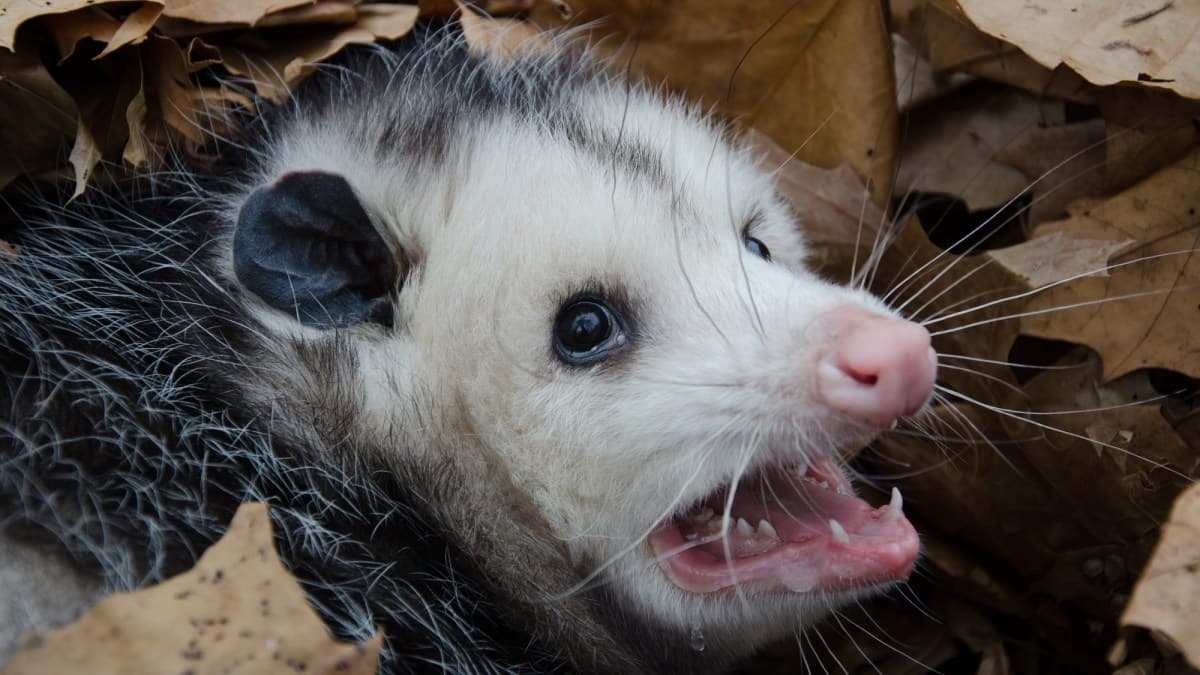
Scientists Sacrifice Delicious Opossums to Fight Florida’s Invasive Pythons
Why It Matters
The approach could dramatically lower the cost of locating and eradicating invasive pythons, accelerating ecosystem recovery. It also offers a scalable model for using native prey as low‑cost telemetry devices against other invasive predators.
Key Takeaways
- •Burmese pythons have killed hundreds of native species in Everglades
- •Researchers will collar 40 opossums with $190 GPS tags
- •Collared opossums act as bait, revealing python locations for removal
- •Approach could lower tracking costs versus traditional snake‑capture methods
Pulse Analysis
Florida’s Everglades have been overrun by Burmese pythons, an invasive apex predator introduced in the 1970s. The snakes can exceed 20 feet, thrive in subtropical wetlands, and have decimated native birds, mammals and reptiles, with estimates of tens of thousands of wildlife deaths. Conventional control methods—hunt teams, bounty programs, and even robotic rabbit lures—have yielded limited success, leaving wildlife managers searching for data‑driven tactics to locate and remove the hidden reptiles.
A novel solution emerged from a 2022 study by North Carolina Museum of Natural Sciences biologists who equipped opossums with $1,500 satellite collars. After the animals were repeatedly consumed by pythons, the team realized the collars could serve a dual purpose: bait and telemetry. Securing $190‑price‑point GPS tags, they plan to release at least 40 opossums in Crocodile Lake National Wildlife Refuge this summer. When a python swallows a collared opossum, the tag transmits the snake’s interior location, allowing crews to euthanize the predator and collect valuable movement data.
If the trial proves effective, it could reshape invasive‑species management by turning a natural prey item into a low‑cost sensor network. The method leverages the opossum’s willingness to traverse marshes, while minimizing human field time and expensive equipment. Critics raise animal‑welfare questions, but the researchers stress that the opossums would likely be predated anyway and that each sacrifice yields actionable intelligence. Success may inspire similar bait‑tracking programs for invasive alligators, lionfish, or feral hogs across the United States.
Scientists sacrifice delicious opossums to fight Florida’s invasive pythons
Comments
Want to join the conversation?
Loading comments...