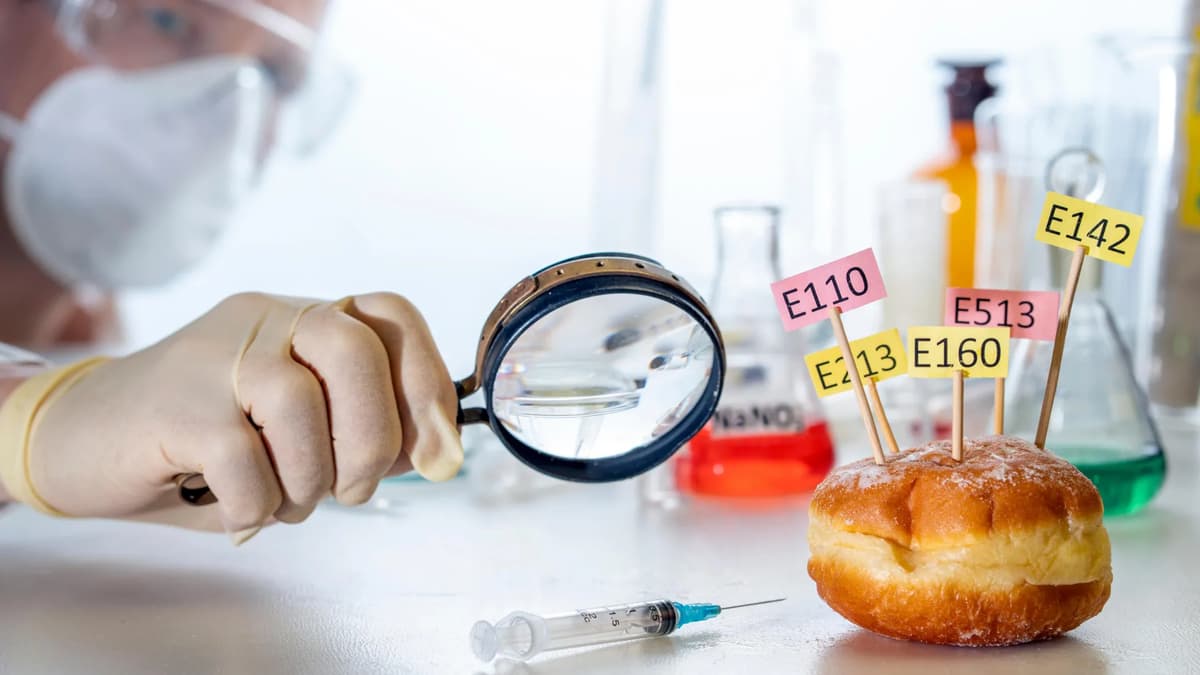
Scientists Say Most of What’s in Your Food Is Still a Mystery
Why It Matters
Understanding nutritional dark matter could unlock personalized nutrition strategies and new therapeutic targets, reshaping public health and the food industry. It offers a scientific basis for why certain diets work for some individuals but not others, potentially reducing the global burden of diet‑related disease.
Key Takeaways
- •Foodomics integrates genomics, proteomics, metabolomics to map food chemicals.
- •Over 26,000 food compounds exist, most remain unstudied.
- •Nutritional dark matter may explain diet‑related disease variability.
- •Gut microbes transform foods into metabolites influencing immunity and metabolism.
- •The Foodome Project catalogued 130,000 molecules linking food to health.
Pulse Analysis
The concept of "nutritional dark matter" highlights a profound gap in current nutrition science. While traditional guidelines focus on macronutrients and a handful of vitamins, researchers now recognize that the food we eat delivers tens of thousands of bioactive molecules that have yet to be characterized. This hidden layer of chemistry can modulate metabolic pathways, influence gut microbiota composition, and even alter gene expression through epigenetic mechanisms. As a result, the same diet can produce divergent health outcomes across individuals, complicating public‑health recommendations.
Foodomics, an interdisciplinary field merging genomics, proteomics, metabolomics and nutrigenomics, is the primary engine driving discovery in this arena. By applying high‑throughput analytical techniques, scientists can trace how specific food compounds interact with human proteins, gut bacteria, and disease processes. For example, the metabolite TMAO, derived from red‑meat consumption, has been linked to cardiovascular risk, while garlic‑derived compounds can inhibit its formation. Similarly, ellagic acid from berries is converted by gut microbes into urolithins that support mitochondrial health. These insights illustrate how a single food component can cascade through multiple biological networks.
Large‑scale initiatives such as the Foodome Project aim to create an exhaustive atlas of food‑derived molecules—already cataloguing more than 130,000 entities. This database will enable researchers to pinpoint which compounds are beneficial, neutral, or harmful, and to develop targeted dietary interventions or novel nutraceuticals. In the long run, mapping nutritional dark matter could transform clinical nutrition, guide precision‑diet therapies, and reduce the staggering mortality linked to poor diet worldwide.
Scientists say most of what’s in your food is still a mystery
Comments
Want to join the conversation?
Loading comments...