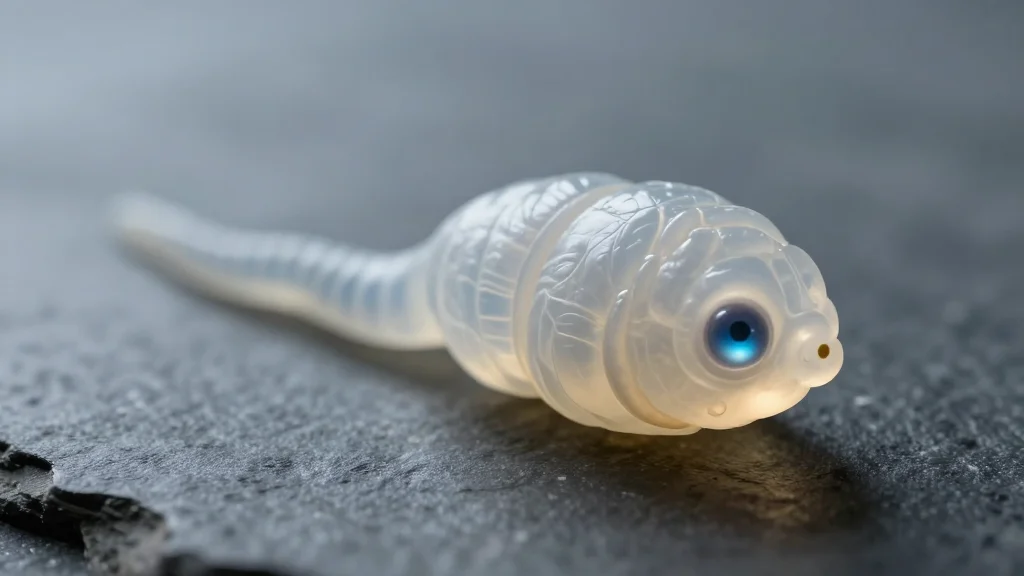
Scientists Say the Hidden “Third Eye” Inside Your Skull Is the Bizarre Reason You Can See
Why It Matters
This new evolutionary model explains the unique cellular architecture of human vision and links sleep‑regulating pineal function to ancient light‑sensing mechanisms, impacting fields from neuroscience to evolutionary biology.
Key Takeaways
- •Vertebrate eyes evolved from a single median “third eye” 600 M years ago
- •Human retina combines ciliary and rhabdomeric photoreceptors, a unique hybrid
- •Pineal gland is the remnant of the ancestral median eye
- •Loss of lateral eyes linked to sedentary, burrowing ancestors
Pulse Analysis
The discovery that vertebrate vision may trace back to a solitary median eye overturns a long‑standing paradigm that paired eyes are the default starting point for visual systems. In most invertebrates, rhabdomeric photoreceptors form lateral eyes while ciliary cells serve circadian functions deep within the brain. By mapping photoreceptor genetics across 36 animal groups, researchers identified a worm‑like precursor that possessed both lateral and central light‑sensing structures, suggesting a hybrid origin unique to vertebrates. This perspective aligns the evolution of the retina with neural circuitry, offering a coherent explanation for the mixed cellular composition of human eyes.
The hybrid nature of the vertebrate retina—combining ciliary and rhabdomeric photoreceptors—has practical implications for modern neuroscience and medicine. Because the pineal gland is interpreted as a vestigial third eye, its role in melatonin production and circadian regulation can be viewed as a direct legacy of ancient light detection. Understanding this lineage may refine therapeutic approaches to sleep disorders, seasonal affective disorder, and even retinal degenerative diseases by targeting the distinct photoreceptor pathways that originated from a single ancestral organ.
Future research will likely focus on high‑resolution genetic and developmental mapping of the pineal gland and retinal cells across diverse species. By comparing the molecular signatures of simple marine organisms with those of mammals, scientists aim to validate the proposed split‑and‑migrate scenario and pinpoint the genetic switches that drove eye relocation. Confirming this model could reshape evolutionary biology curricula, influence bio‑inspired optical engineering, and deepen our grasp of how complex sensory systems emerge from modest ancestral structures.
Scientists say the hidden “third eye” inside your skull is the bizarre reason you can see
Comments
Want to join the conversation?
Loading comments...