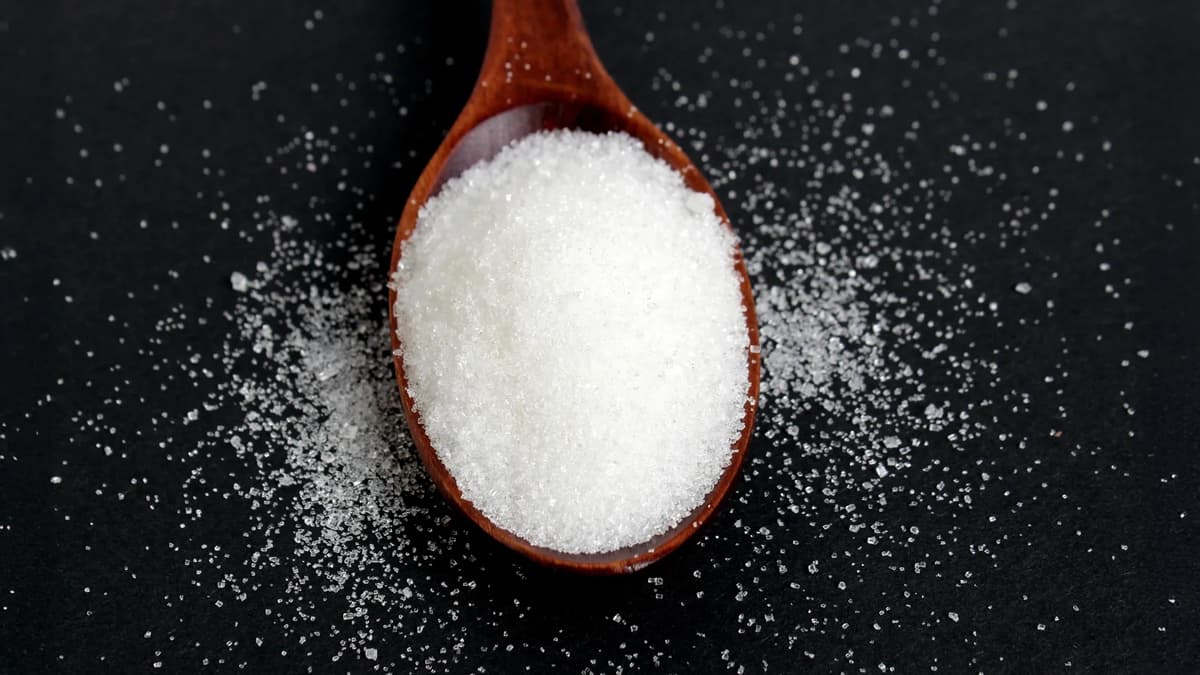
Scientists Say This Common Sweetener May Be Quietly Rewiring Your Metabolism
Why It Matters
By exposing fructose’s unique role in driving obesity and metabolic disease, the study suggests that targeting fructose metabolism could become a pivotal strategy for public‑health interventions and nutrition policy.
Key Takeaways
- •Fructose bypasses normal glucose regulatory pathways
- •Increases de novo lipogenesis and fat storage
- •Endogenous fructose production expands metabolic impact
- •Sucrose and high‑fructose corn syrup share risks
- •Targeting fructose metabolism may curb obesity
Pulse Analysis
Fructose’s metabolic quirks have long been a footnote in nutrition science, but the new Nature Metabolism review elevates it to a central player. Unlike glucose, fructose enters the liver’s glycolytic pathway downstream of phosphofructokinase, sidestepping the primary checkpoint that balances energy production. This shortcut fuels rapid conversion of carbohydrate calories into fatty acids, depletes cellular ATP, and generates uric acid—all hallmarks of metabolic stress that can precipitate insulin resistance and hypertension.
The public‑health stakes are considerable. While sugary‑drink consumption has plateaued in some high‑income markets, overall intake of “free sugars,” especially from processed foods and beverages sweetened with high‑fructose corn syrup, remains above World Health Organization recommendations. Moreover, the body’s capacity to synthesize fructose from excess glucose means that even diets low in added sugars can contribute to the same metabolic cascade. Policymakers therefore face a dual challenge: curbing external fructose sources while addressing the biochemical feedback loops that amplify its effects.
Looking ahead, researchers are exploring pharmacologic inhibitors of fructokinase, the enzyme that initiates fructose metabolism, as a potential therapeutic avenue. Simultaneously, food manufacturers are testing low‑fructose sweeteners and reformulating products to reduce fructose content. If these strategies prove effective, they could reshape dietary guidelines and offer new tools for clinicians battling obesity, type 2 diabetes, and cardiovascular disease. The emerging consensus underscores that managing fructose exposure—both dietary and endogenous—may be as critical as calorie counting in the fight against chronic metabolic illness.
Scientists say this common sweetener may be quietly rewiring your metabolism
Comments
Want to join the conversation?
Loading comments...