Scientists Turned Red Lettuce Green and Something Surprising Happened
Why It Matters
The approach boosts nutraceutical content without sacrificing yield, creating new opportunities for functional‑food markets and reshaping lettuce breeding strategies.
Key Takeaways
- •Blocking anthocyanins redirected metabolism toward quercetin accumulation.
- •Modified lettuce retained normal growth rates despite pigment change.
- •Flavonoid profile shift offers a route to custom functional crops.
- •Strategy may enable lettuce varieties with targeted health compounds.
Pulse Analysis
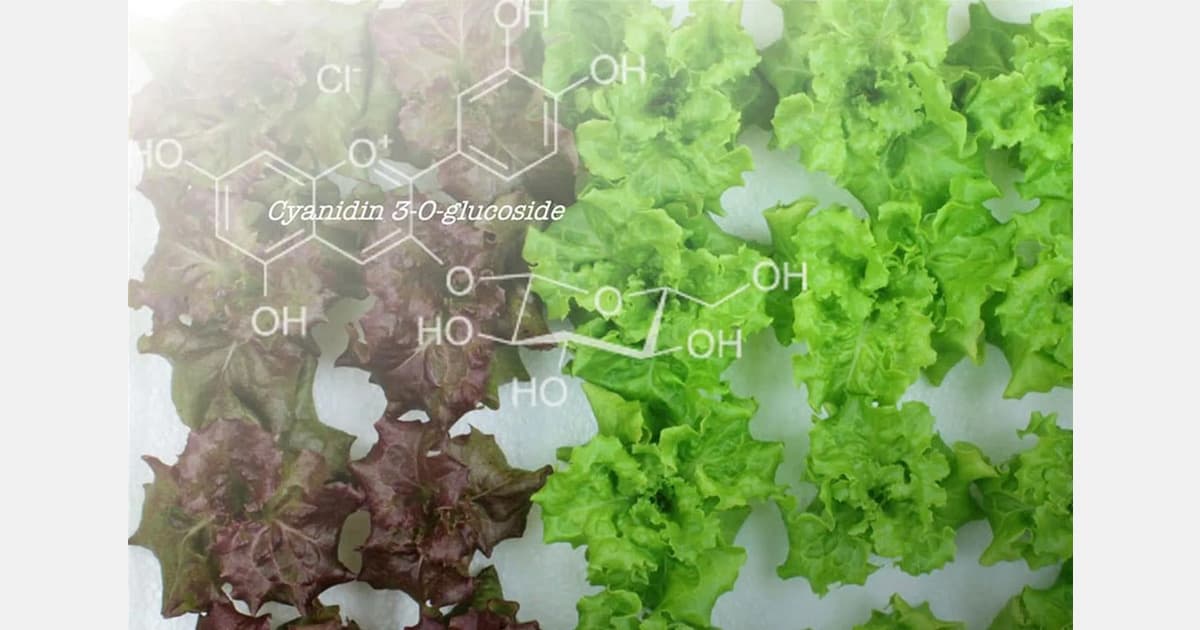
Red leaf lettuce owes its vivid hue to anthocyanins, a class of polyphenols prized for antioxidant activity. While these pigments have long attracted food‑science interest, they also compete with other flavonoids such as quercetin, a compound linked to anti‑inflammatory benefits. By genetically or chemically inhibiting the final steps that convert flavonoid precursors into anthocyanins, researchers effectively rewired the plant’s secondary metabolism, allowing precursor molecules to accumulate as health‑enhancing flavonols.
In the Tsukuba study, the team applied a targeted blockage to the anthocyanin pathway and observed a substantial rise in quercetin and several related flavonoids. Crucially, the modified lettuce displayed growth rates and biomass comparable to its red counterparts, dispelling concerns that pigment alteration might compromise vigor. This finding suggests that breeders can fine‑tune phytochemical profiles without sacrificing agronomic performance, opening a new dimension in crop improvement that focuses on functional composition rather than just yield or appearance.
The commercial implications are significant. Consumers increasingly seek produce that delivers specific health benefits, and a lettuce engineered to prioritize quercetin could command premium pricing in specialty markets. Moreover, the technique could be adapted to other leafy greens, expanding the portfolio of functional vegetables. Regulatory pathways will likely focus on the method of modification—whether through conventional breeding, gene editing, or transgenic approaches—but the underlying principle of redirecting natural biosynthetic routes offers a sustainable, consumer‑friendly strategy for next‑generation nutrition.
Scientists turned red lettuce green and something surprising happened
Comments
Want to join the conversation?
Loading comments...