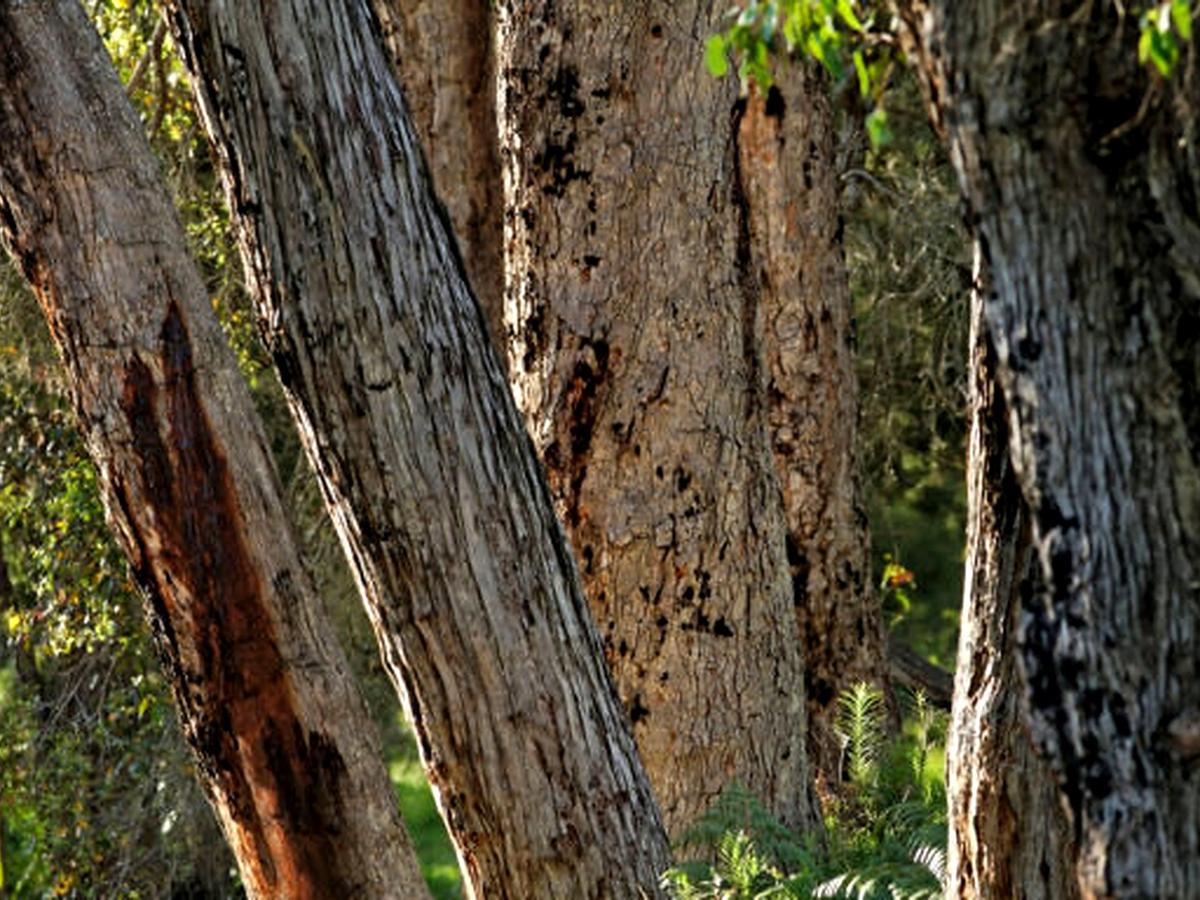
Scientists Warn Watt — Jarrah Forests Cannot Recover From Bauxite Mining
Why It Matters
The inability to rehabilitate the Jarrah forest threatens a unique ecosystem and challenges the credibility of mining‑reclamation policies, while the lease decision will shape Australia’s role in the expanding aluminium supply chain.
Key Takeaways
- •Alcoa cleared ~28,000 ha of Jarrah forest since 1963
- •35 years of rehabilitated pits failed to restore original ecosystem
- •Federal decision on Alcoa lease extension to 2045 under scrutiny
- •$55 million penalty includes $40 million for permanent ecological offsets
- •Jarrah hotspot hosts 8,000 species, 80% endemic, many threatened
Pulse Analysis
The Northern Jarrah Forest, part of Western Australia’s Southwest biodiversity hotspot, sits atop a multi‑layered bauxite deposit that has long underpinned the region’s aluminium industry. Unlike typical surface mining, the ore body itself forms a geological scaffold that regulates water retention and soil structure, creating conditions essential for the iconic jarrah trees and their understory. When Alcoa removes this substrate, the forest loses its foundational support, making natural regeneration far more complex than simply re‑planting trees.
Recent research led by UWA botanists demonstrates that decades of post‑mining rehabilitation have not succeeded in recreating the original ecosystem. Even after 35 years, rehabilitated pits lack the dense shrub layer that harbors two‑thirds of the bioregion’s threatened flora and fauna, including the critically endangered Baudin’s cockatoo and western quoll. The study underscores a broader scientific consensus: the intricate relationship between the bauxite geology and the forest’s biodiversity cannot be replicated through conventional restoration techniques, raising doubts about the efficacy of existing mining‑offset frameworks.
Policy makers now confront a pivotal choice. Extending Alcoa’s lease to 2045 aligns with a bilateral critical‑minerals partnership that anticipates a 40 percent surge in global aluminium demand by 2030, yet it also risks irreversible loss of a unique ecosystem. The recent $55 million fine and mandated ecological offsets signal growing regulatory pressure, but the lease decision will ultimately test whether economic imperatives can be balanced with the preservation of one of the world’s most irreplaceable natural assets.
Scientists Warn Watt — Jarrah Forests Cannot Recover From Bauxite Mining
Comments
Want to join the conversation?
Loading comments...