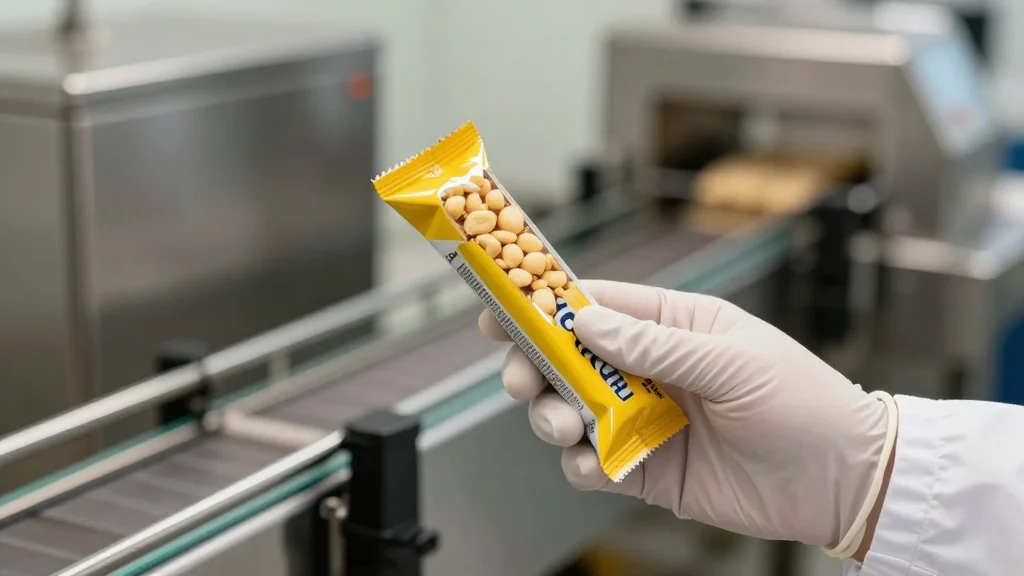
Scientists Will Probe Whether Processing Itself Makes Ultra-Processed Foods Harmful
Why It Matters
The trial will isolate the causal role of processing versus nutrient quality, guiding regulators on whether to target UPFs as a category or focus on specific nutrient limits. Its findings could reshape dietary guidelines and public‑health strategies aimed at reducing cardiovascular disease and diabetes.
Key Takeaways
- •RCT uses 2×2 factorial design to isolate processing level from nutrients
- •Four six‑week diets vary UPF proportion and saturated‑fat/sugar/sodium levels
- •Primary outcomes include LDL‑C, ambulatory systolic BP, and HOMA‑IR
- •Findings aim to guide future dietary guidelines and UPF policy
Pulse Analysis
Ultra‑processed foods have become a dominant component of modern diets, and epidemiological studies link high consumption to cancer, cardiovascular disease, diabetes, and premature mortality. Yet the scientific community remains divided on whether the health penalties stem from the industrial processes that create these foods or from their typical nutrient profile—high saturated fat, added sugars, and sodium. This ambiguity hampers policymakers who must decide whether to regulate UPFs as a distinct class or to tighten nutrient‑based standards.
The newly published protocol tackles the question head‑on with a rigorous 2 × 2 factorial randomized controlled trial. By randomizing healthy adults to four six‑week, isocaloric diets that independently vary the degree of industrial processing and the saturated‑fat/sugar/sodium (SFSS) content, the study can disentangle the separate contributions of each factor. Controlled feeding in a supervised cafeteria ensures precise adherence, while primary outcomes—LDL‑C, daytime ambulatory systolic blood pressure, and HOMA‑IR—directly capture cardiometabolic risk. This design offers a rare opportunity to move beyond correlation and assess causation under tightly monitored conditions.
If the trial demonstrates that nutrient composition, rather than processing per se, drives adverse biomarkers, nutrition policy may shift toward stricter limits on saturated fat, sugar, and sodium across all food categories, including minimally processed items. Conversely, evidence that processing itself harms health could justify labeling or taxation schemes targeting UPFs regardless of their nutrient makeup. Either outcome will provide a scientific foundation for future dietary guidelines, industry reformulation strategies, and consumer education aimed at curbing the rising burden of chronic disease.
Scientists will probe whether processing itself makes ultra-processed foods harmful
Comments
Want to join the conversation?
Loading comments...