Companies Mentioned
Why It Matters
The findings reveal a previously unknown functional role for zinc in arthropod predation, opening avenues for bio‑inspired material design and deepening our understanding of evolutionary weapon optimization.
Key Takeaways
- •Zinc concentrates at scorpion stinger tips, manganese follows
- •Long‑clawed scorpions show higher zinc in pincers than robust‑clawed species
- •Metals likely boost durability of claw teeth during prey capture
- •Study examined 18 species, representing >3,000 global scorpions
- •Findings suggest bio‑inspired material designs could mimic scorpion weaponry
Pulse Analysis
The new study, published in the Journal of the Royal Society Interface, provides the first systematic survey of metal enrichment across scorpion arsenals. By pairing high‑resolution electron microscopy with X‑ray spectroscopy, the team mapped zinc, manganese, and iron deposits in both the venom‑delivering stinger and the gripping pincers. The unexpected pattern—greater zinc levels in slender‑clawed species—challenges the assumption that metal content simply correlates with mechanical strength. Instead, the data point to a durability function, allowing delicate claws to withstand repeated stress while subduing struggling prey.
Beyond pure biology, the research carries implications for biomimetic engineering. Metals embedded in chitin create a composite that is both lightweight and wear‑resistant, a property coveted in aerospace, medical devices, and robotics. Engineers can look to the scorpion’s micro‑architecture—zinc‑reinforced tooth‑like structures on claw surfaces—as a template for designing cutting tools or gripping mechanisms that maintain sharpness over prolonged use. Comparisons with other arthropods, such as mantis shrimp that incorporate calcium carbonate, highlight the diverse strategies nature employs to harden exoskeletal appendages.
Future work will need to expand the taxonomic breadth, as the current sample represents only a fraction of scorpion diversity. With over 3,000 species evolving over 400 million years, additional metal combinations may exist, potentially revealing novel alloys. Understanding the genetic and developmental pathways that deposit zinc and manganese could also inform synthetic biology approaches, enabling the production of custom‑engineered materials that mimic these natural composites. As the line between biology and technology blurs, scorpions may become unlikely role models for next‑generation durable materials.
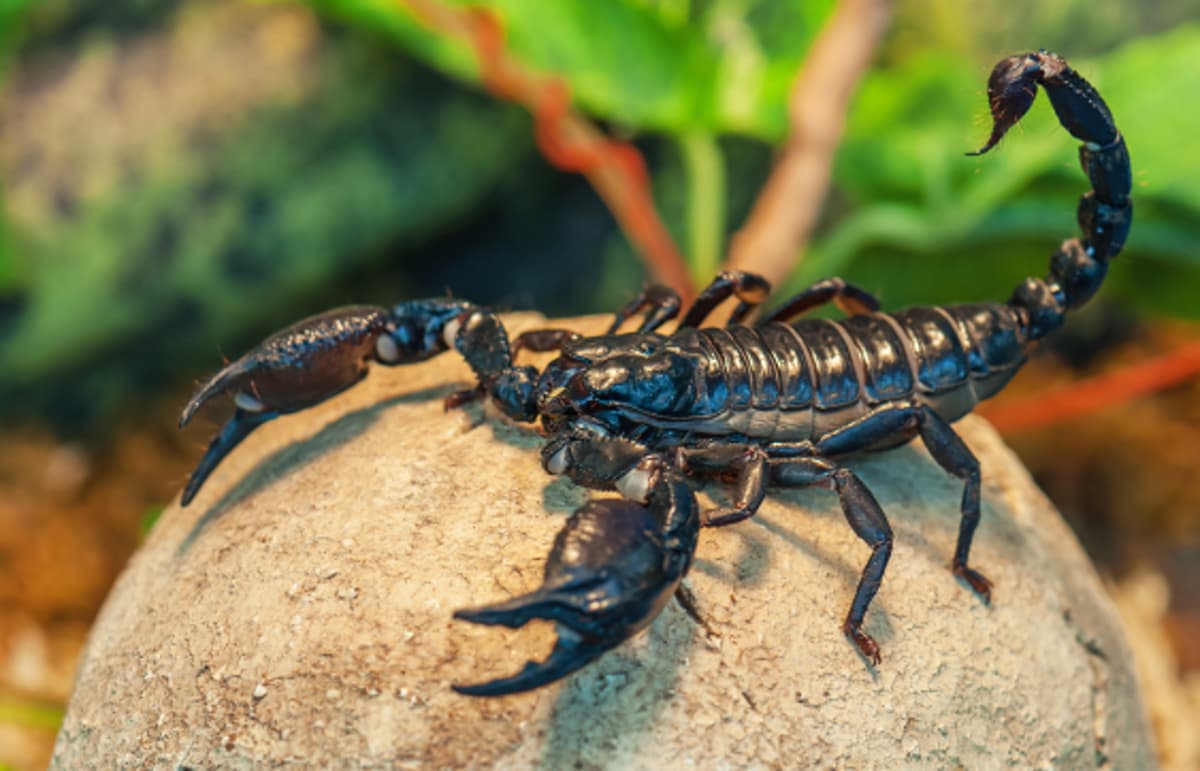
Scorpions Wield Metal-Tipped Weapons
Comments
Want to join the conversation?
Loading comments...