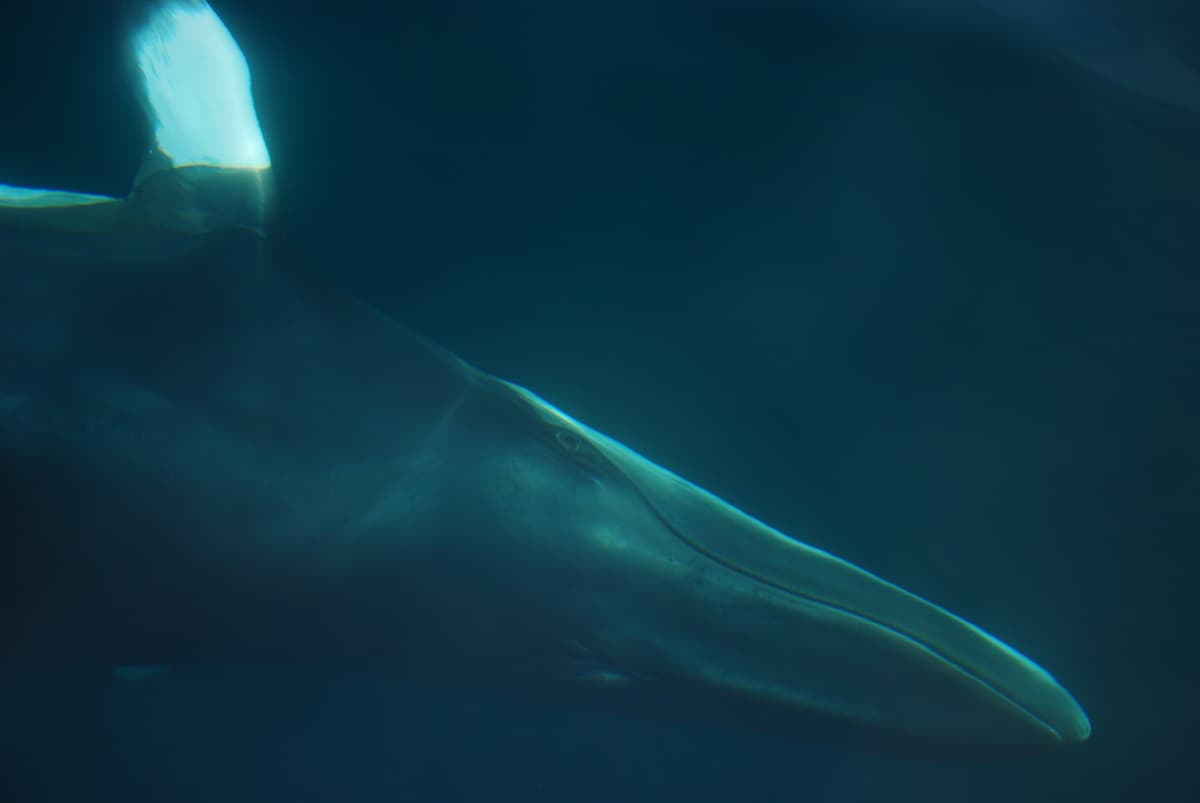
ScotWind Developers Fund Study to Find Out More About Minke Whale Activity
Why It Matters
Understanding whale movement patterns reduces collision and noise risks, ensuring offshore wind projects meet environmental standards and avoid costly delays. The study sets a precedent for data‑driven mitigation across Europe’s growing offshore energy sector.
Key Takeaways
- •SAMS deployed acoustic recorders at three sites in Southern Trench MPA.
- •Study spans two years to capture seasonal minke whale patterns.
- •Broadshore, Caledonia, and Muir Mhòr wind farms co‑fund research.
- •Baseline data will guide mitigation for offshore wind cable routes.
- •Findings aim to protect a known minke whale population.
Pulse Analysis
Scotland’s offshore wind ambitions are accelerating, with multiple projects eyeing the east coast’s high‑energy corridors. Yet the region’s Southern Trench Marine Protected Area hosts a resident minke whale population, prompting regulators and developers to prioritize ecological safeguards. By integrating scientific research early in the planning phase, the industry can demonstrate compliance with the EU’s Marine Strategy Framework Directive and the UK’s biodiversity net gain targets, preserving public support for renewable expansion.
The two‑year passive acoustic monitoring (PAM) campaign leverages state‑of‑the‑art broadband recorders and acoustic release units to capture low‑frequency vocalizations of minke whales. Deployed by Marine Environmental Solutions, the devices continuously log underwater sound, creating a high‑resolution temporal map of whale presence across summer and autumn. This methodology offers a non‑intrusive alternative to visual surveys, delivering statistically robust baseline data that can be cross‑referenced with vessel traffic and construction noise models.
Armed with precise movement patterns, developers can design cable routes that avoid peak whale corridors, implement seasonal construction windows, and apply real‑time acoustic deterrent systems if needed. Such evidence‑based mitigation not only minimizes ecological impact but also reduces the risk of litigation and project delays. As offshore wind scales across the North Sea and beyond, the ScotWind study exemplifies how collaborative funding and rigorous marine science can harmonize clean‑energy goals with marine conservation, setting a template for future projects worldwide.
ScotWind developers fund study to find out more about minke whale activity
Comments
Want to join the conversation?
Loading comments...