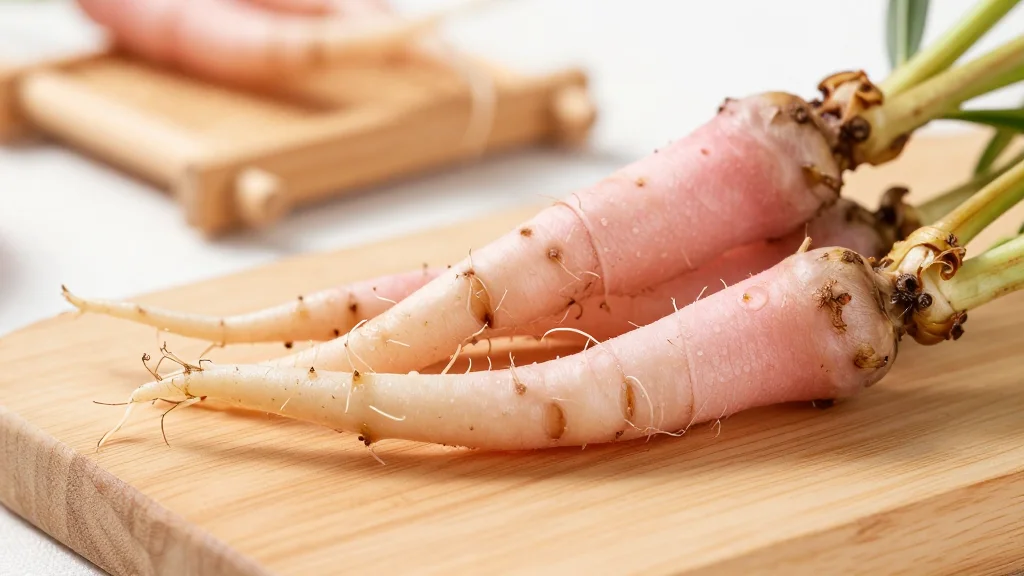
Screening of Optimal Harvesting Period and Drying Methods for Paeoniae Radix Rubra Based on Eight Bioactive Compounds and Biomass
Why It Matters
Optimizing harvest age and drying method boosts the medicinal potency and market value of red peony root, a key ingredient in traditional Chinese medicine. The findings give growers a data‑driven roadmap to improve product consistency and profitability.
Key Takeaways
- •4‑year‑old Paeonia roots yield highest quality score (0.5).
- •Harvest on September 26 maximizes combined yield and bioactive content.
- •Shade drying preserves most bioactive compounds among tested methods.
- •Paeoniflorin correlates positively with root dry weight and catechin.
- •Findings specific to Tongliao; may not apply elsewhere.
Pulse Analysis
Paeoniae Radix Rubra, commonly known as red peony root, is prized in traditional Chinese medicine for its anti‑inflammatory and analgesic properties, largely driven by compounds such as paeoniflorin, catechin, and lactiflorin. As demand rises globally, producers face pressure to deliver raw material that meets stringent quality benchmarks while maintaining cost‑effective cultivation. This study from Inner Mongolia applies a rigorous CRITIC evaluation to balance yield, biomass, and phytochemical content, offering a scientific basis for decisions that were previously guided by anecdote.
The analysis identified four‑year‑old plants harvested on September 26 as the sweet spot, achieving a composite score of 0.87 that outstripped earlier and later dates. Shade drying emerged as the superior post‑harvest method, outperforming high‑temperature, step‑down, sun, and low‑temperature drying in preserving the eight targeted bioactives. Notably, paeoniflorin showed a strong positive correlation with root dry weight and with other compounds, suggesting that maximizing root mass also enhances overall therapeutic potency. These insights enable growers to fine‑tune agronomic practices, from planting schedules to drying facilities, to consistently meet pharmacopoeial standards.
For the broader supply chain, the research underscores the economic upside of precision agriculture in herbal medicine. By aligning harvest calendars with peak phytochemical accumulation, producers can command premium prices and reduce waste associated with sub‑optimal batches. However, the authors caution that the results are region‑specific; soil, climate, and cultivar variations elsewhere may shift the optimal window. Stakeholders should therefore conduct localized trials before scaling the protocol, ensuring that the quality gains translate into reliable market advantage across diverse production zones.
Screening of optimal harvesting period and drying methods for Paeoniae Radix Rubra based on eight bioactive compounds and biomass
Comments
Want to join the conversation?
Loading comments...