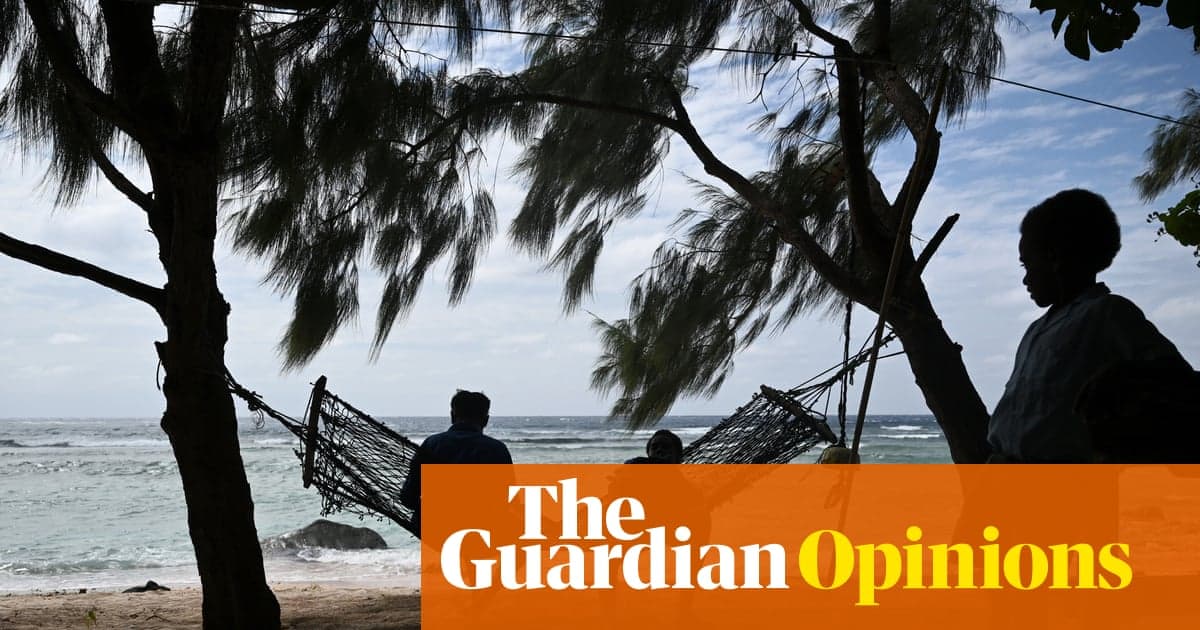
Sea-Level Rise Is a Health Crisis and We Must Hold Polluters Accountable | Christiana Figueres
Why It Matters
The health and justice dimensions of rising seas expose systemic inequities, compelling governments and businesses to act now or face escalating human costs. Legal recognition of climate duties creates enforceable pressure on polluters and fuels policy shifts.
Key Takeaways
- •Sea-level rise already causing health crises worldwide
- •Indigenous communities face disproportionate impacts
- •Lancet Commission links health, justice, climate
- •ICJ advisory opinion declares fossil fuel expansion wrongful
- •Local actions like mangrove planting boost resilience
Pulse Analysis
Sea‑level rise is no longer a distant statistic; it is reshaping public health across vulnerable coastlines. Saltwater intrusion contaminates drinking water, while flood‑driven sanitation failures spark outbreaks of water‑borne diseases. These physical threats intersect with mental health stressors as communities confront displacement, loss of cultural heritage, and economic instability. By framing the issue as a health crisis, policymakers can leverage existing health‑system funding streams to accelerate adaptation measures, from resilient infrastructure to community‑based monitoring programs.
The Lancet Commission on Sea‑Level Rise, Health and Justice, supported by the WHO Asia‑Pacific Centre, aims to bridge scientific research with policy action. Its interdisciplinary approach will quantify disease burdens, map exposure hotspots, and assess the social determinants that amplify vulnerability. The commission’s findings are expected to inform international guidelines, guide insurance underwriting, and shape climate‑related health regulations. Simultaneously, the International Court of Justice’s advisory opinion—endorsed by 130 nations—establishes a legal precedent that expanding fossil‑fuel activities may constitute a wrongful act, strengthening the case for climate‑linked litigation and corporate accountability.
Grassroots initiatives illustrate how local resilience can complement top‑down solutions. In Vanuatu, youth leader Litiana Kalsrap mobilizes mangrove and grass planting to stabilize shorelines, providing natural barriers that reduce erosion and improve water quality. Such nature‑based solutions deliver co‑benefits: carbon sequestration, biodiversity protection, and livelihood opportunities. When combined with renewable‑energy transitions and stronger legal frameworks, community‑driven actions create a multilayered defense against sea‑level threats, underscoring that health, justice, and climate stability are inseparable pillars of sustainable development.
Sea-level rise is a health crisis and we must hold polluters accountable | Christiana Figueres
Comments
Want to join the conversation?
Loading comments...