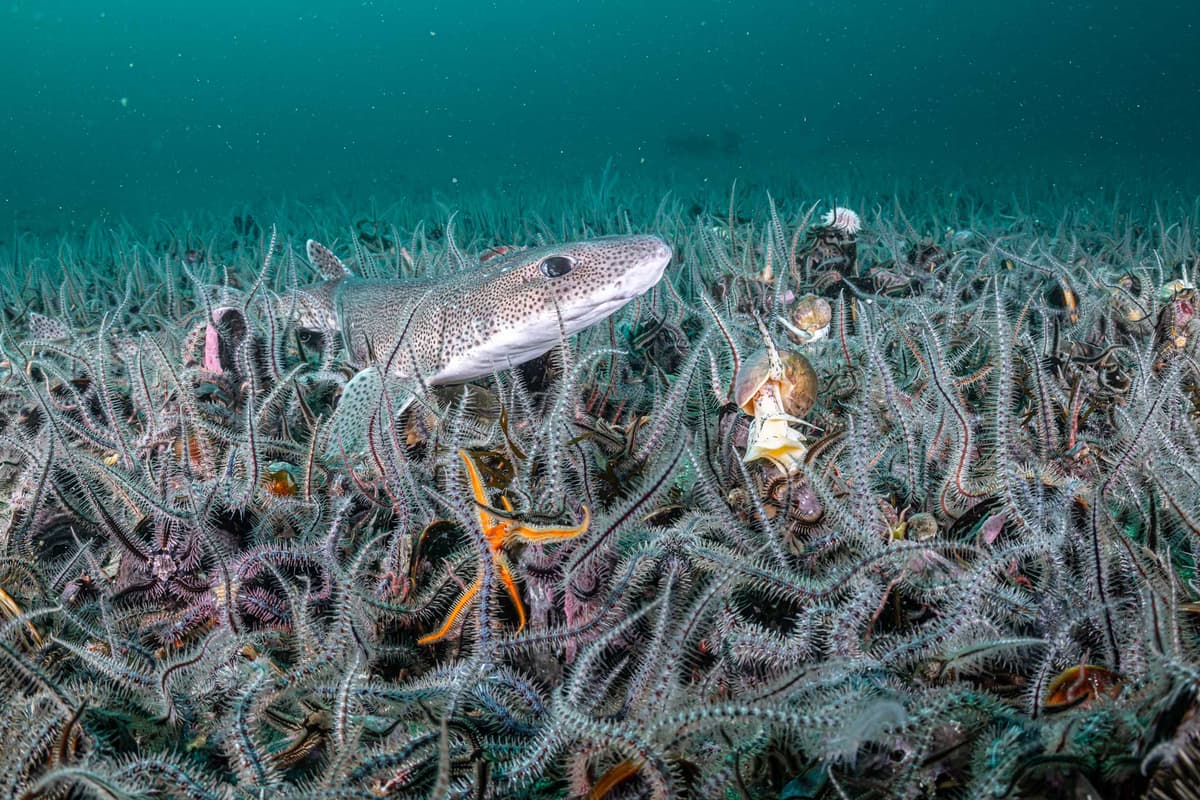
Seabed Life Triples After Bottom Trawling Ban in Scotland Protected Area
Why It Matters
The dramatic rebound demonstrates that marine protected areas can reverse decades of habitat degradation, offering a template for fisheries management and climate‑mitigation strategies across Europe’s heavily trawled continental shelves.
Key Takeaways
- •Bottom trawl ban led to threefold increase in seabed organisms.
- •Species count doubled, over 150 species found in small sample.
- •Bioturbating worms now turnover sediments, boosting carbon sequestration.
- •Europe’s seabeds remain 86% disturbed despite this success.
- •Extrapolated, billions of organisms could repopulate the South Arran MPA.
Pulse Analysis
Bottom‑trawling has long been the scourge of Europe’s continental shelves, dragging heavy gear across soft sediments and flattening complex habitats. The South Arran Marine Protected Area, designated in 2017, was one of the first large‑scale attempts to halt this practice in Scottish waters. By prohibiting gear that contacts the seabed, the MPA created a refuge where natural processes could resume, setting the stage for the ecological revival documented in the recent study.
The research team sampled roughly 100 L of sediment and identified over 1,500 individual organisms, representing more than 150 distinct species. Notably, burrowing worms and tube‑building snails now dominate, constantly reworking the mud and facilitating the burial of organic carbon. This bioturbation accelerates carbon sequestration, turning the seabed into a more effective sink—a critical service as the world seeks nature‑based climate solutions. The observed species surge also hints at the re‑establishment of historic “animal forests” that once covered the soft‑sediment shelves of the British Isles.
While the South Arran results are encouraging, they also highlight the broader challenge: roughly 86% of the Greater North Sea and Celtic Sea seabed still bears the scars of trawling. The study provides concrete evidence that well‑enforced marine protected areas can restore biodiversity and ecosystem function, offering a persuasive argument for expanding similar bans across Europe. Policymakers can leverage these findings to balance commercial fishing interests with long‑term ecological resilience and carbon‑budget goals.
Seabed life triples after bottom trawling ban in Scotland protected area
Comments
Want to join the conversation?
Loading comments...