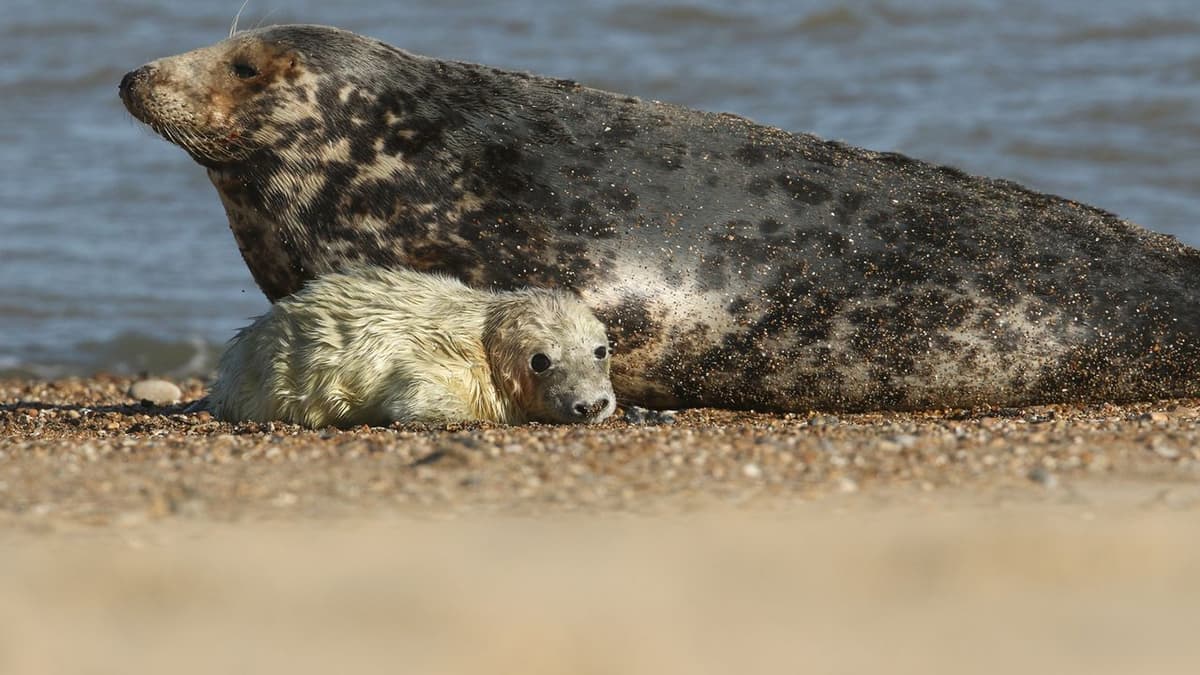
Seal Pups Were Dying From a 'Corkscrew Killer' On a Canadian Island. It Turned Out to Be Cannibals.
Why It Matters
Pinpointing cannibalism as the cause of pup mortality clarifies management priorities for Canada’s largest seal colony and informs broader marine‑mammal conservation strategies. Understanding this natural behavior helps differentiate genuine threats from isolated incidents, guiding resource allocation for species protection.
Key Takeaways
- •765 seal pups showed corkscrew injuries in 2024 season
- •Cannibalistic male gray seals identified as culprits
- •Pup deaths under 1,000, negligible for 75,000 population
- •Researchers observed attacks via drone footage 2023‑2025
- •Potential risk to declining harbor seal pups noted
Pulse Analysis
For decades, wildlife biologists puzzled over the mysterious spiral wounds on gray‑seal pups at Sable Island, Nova Scotia. Early hypotheses ranged from shark bites to ship propellers, but no concrete evidence emerged. The recent Marine Mammal Science paper finally provides closure, documenting adult male gray seals delivering the corkscrew‑shaped lacerations. By combining field observations with re‑examined drone footage spanning 2023 to 2025, the researchers captured the first direct evidence of cannibalism at the world’s largest gray‑seal breeding ground.
The study’s findings carry practical implications for conservation and fisheries management. While 765 pups exhibited the distinctive injuries during the 2024 season—and a single day in 2025 saw 359 fatalities—the overall mortality remains under 1,000 out of roughly 75,000 pups produced annually. This proportion suggests that cannibalism, though dramatic, does not threaten the colony’s viability. Nonetheless, the data sharpen monitoring protocols, allowing authorities to focus on genuine stressors such as habitat loss, climate change, and human disturbance rather than chasing phantom predators.
Beyond Sable Island, the research adds to a growing body of evidence that male gray seals engage in intra‑species predation across the North Atlantic, mirroring similar observations in Scotland and other regions. The behavior may also extend to harbor seal pups, a species already experiencing population declines, raising a cautionary note for ecosystem managers. As scientists continue to probe the drivers behind this aggression—whether territorial, nutritional, or learned—the new insights underscore the importance of long‑term, technology‑enhanced wildlife surveillance in unraveling complex ecological puzzles.
Seal pups were dying from a 'corkscrew killer' on a Canadian island. It turned out to be cannibals.
Comments
Want to join the conversation?
Loading comments...