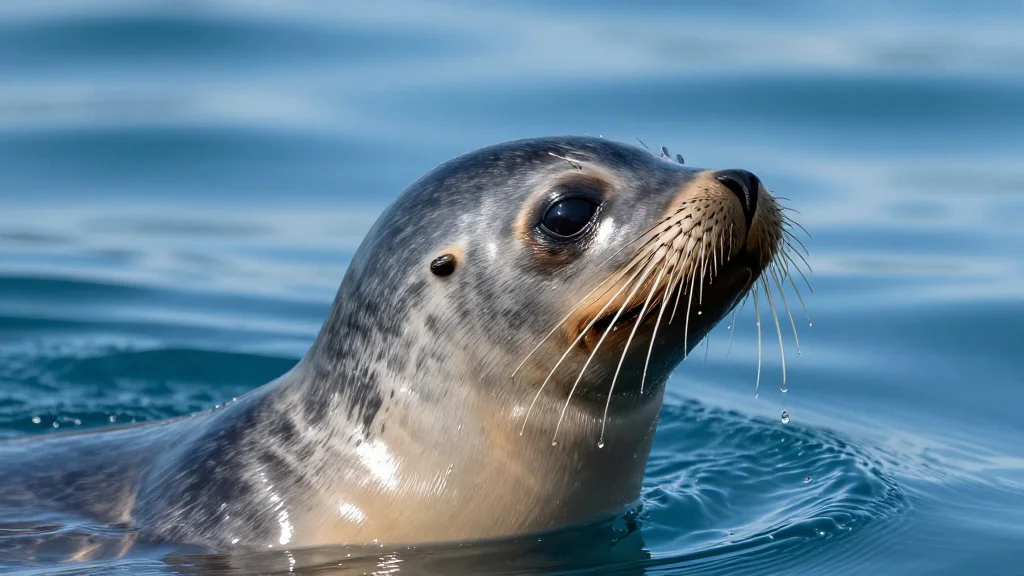
Seals Boost Heart Rates to Detox Following Ocean Foraging Trips
Why It Matters
The discovery reshapes our understanding of marine‑mammal energy budgeting, highlighting that disruptions to on‑shore rest could impair foraging efficiency and overall fitness. It also offers new parallels for human diving safety and conservation strategies.
Key Takeaways
- •Fur seals show post‑dive heart‑rate spikes 6‑8 hrs after haul‑out.
- •Peaks reach up to 84 bpm, indicating active metabolic processing on land.
- •Cardiac spikes correlate with cumulative dive effort, linking underwater load to recovery.
- •Disturbances to resting periods could raise stress and cut foraging efficiency.
- •Study overturns belief that oxygen debt is cleared only at the surface.
Pulse Analysis
Marine mammals have long been celebrated for their ability to hold breath for minutes while diving, a feat achieved through bradycardia—dramatic heart‑rate slowing that conserves oxygen for vital organs. Traditional models assumed that once a seal resurfaced, oxygen debt and metabolic by‑products were rapidly repaid during brief surface intervals. Recent advances in bio‑logging, however, have exposed a more nuanced picture: the physiological toll of deep, anaerobic dives extends beyond the water column, prompting researchers to look for hidden recovery mechanisms on land.
In the latest investigation, scientists equipped twelve female fur seals with high‑resolution heart‑rate transmitters, capturing continuous data every ten seconds across multiple foraging cycles. Analysis revealed distinct bursts of tachycardia occurring six to eight hours after the animals hauled out, with rates climbing to 84 beats per minute—far above the resting baseline. These spikes align closely with the total cardiovascular load accumulated during dives, suggesting that seals deliberately schedule a post‑dive detox phase to clear lactic acid and replenish oxygen stores. By shifting metabolic processing to terrestrial rest, seals can maintain high‑intensity foraging and predator avoidance underwater while preserving energy efficiency over multi‑day trips.
The implications reach beyond academic curiosity. If seals depend on uninterrupted land‑based recovery, human‑induced disturbances—such as coastal development, tourism, or noise pollution—could exacerbate physiological stress, reducing hunting success and reproductive output. Moreover, the delayed clearance pattern mirrors challenges faced by human divers, offering potential insights for decompression protocols and training. Future work integrating blood chemistry, muscle biopsies, and age‑sex demographics will refine our grasp of this staggered recovery strategy, informing both marine‑conservation policy and comparative physiology.
Seals Boost Heart Rates to Detox Following Ocean Foraging Trips
Comments
Want to join the conversation?
Loading comments...