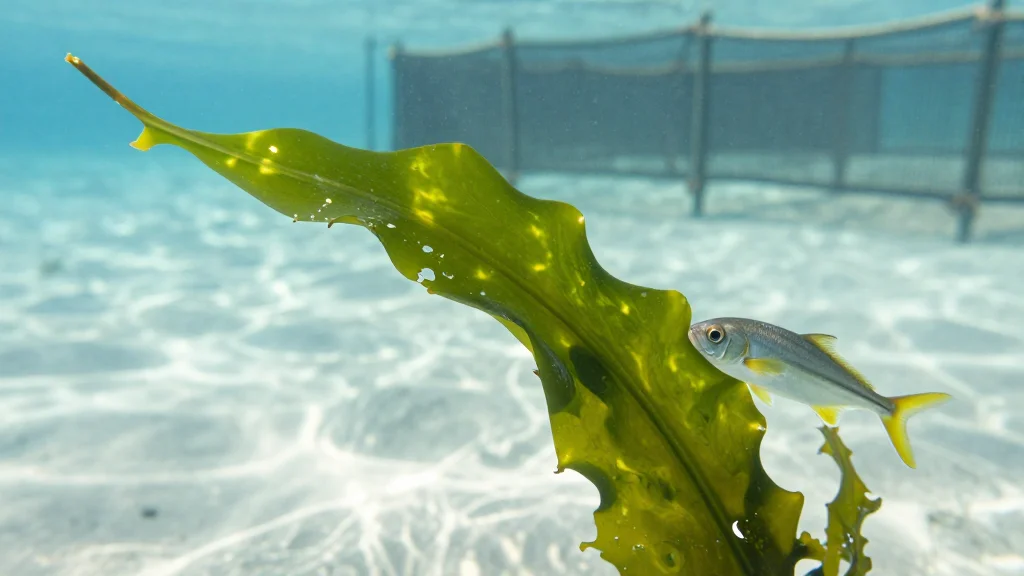
Seaweed Integration Boosts Efficiency and Cuts Waste in Aquaculture, Study Finds
Why It Matters
The results prove that IMTA can turn a costly waste stream into a valuable co‑product, enhancing profitability while meeting tightening environmental regulations. This breakthrough positions seaweed‑based IMTA as a scalable model for greener seafood production.
Key Takeaways
- •IMTA reduced total ammonia nitrogen to undetectable levels
- •Four native macroalgae species tested in pilot‑scale Florida system
- •Seaweed growth yielded marketable biomass with high protein and minerals
- •Study offers species selection framework for Southeast U.S. and Caribbean farms
Pulse Analysis
Marine finfish farms generate large volumes of nutrient‑rich effluent, chiefly ammonia, that can degrade coastal ecosystems and trigger regulatory scrutiny. Integrated multi‑trophic aquaculture (IMTA) addresses this challenge by pairing fed species with extractive organisms such as macroalgae, which absorb dissolved nutrients and convert them into biomass. The approach mimics natural food webs, promising lower environmental footprints while diversifying farm output. As global demand for seafood rises, policymakers and investors are increasingly looking for scalable, eco‑friendly production models that can meet both supply and sustainability goals.
University of Miami researchers built a pilot‑scale IMTA system on Virginia Key, feeding yellowtail snapper effluent to three replicate tanks for each of four native macroalgae species. Over two‑week trials, the seaweeds removed nitrogen and carbon, driving total ammonia nitrogen (TAN) concentrations below detection limits. Chemical analyses revealed high protein, mineral and fiber levels, positioning the harvested biomass for feed, nutraceutical or bio‑fuel markets. The controlled design offers a practical framework for growers to select species aligned with regional water quality targets and economic objectives.
With waste reduction proven at pilot scale, commercial operators across the Southeast U.S. and Caribbean can accelerate IMTA adoption, leveraging seaweed as a revenue‑generating co‑product rather than a disposal cost. The technology aligns with emerging ESG criteria, potentially unlocking green financing and favorable permitting. Moreover, the cultivated macroalgae market, projected to exceed $2 billion globally, offers growers diversified income streams and resilience against fish‑price volatility. As regulatory agencies tighten nutrient discharge limits, IMTA stands out as a viable pathway to sustain aquaculture growth while protecting marine habitats.
Seaweed integration boosts efficiency and cuts waste in aquaculture, study finds
Comments
Want to join the conversation?
Loading comments...