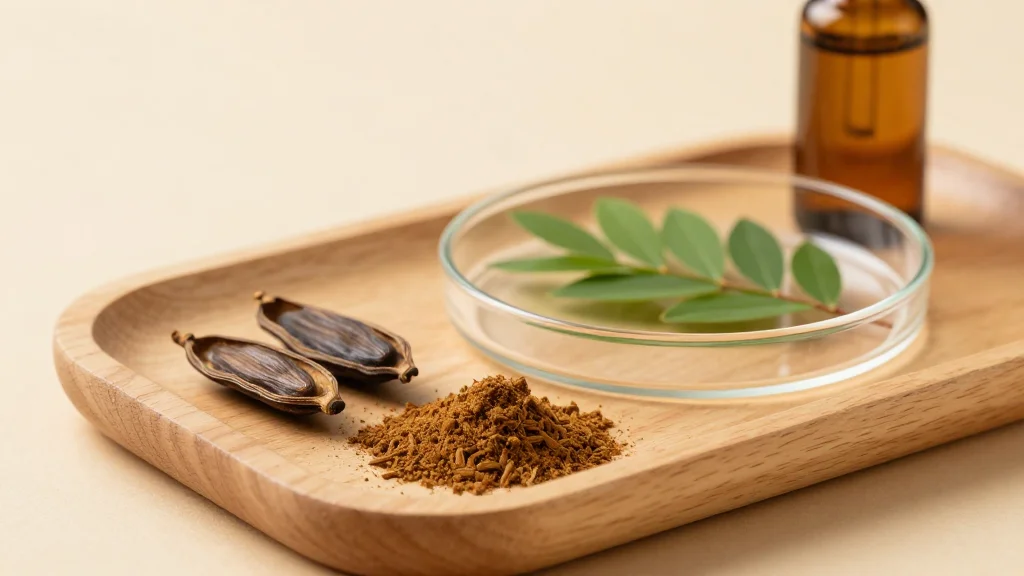
Selective Anticancer Activity of Vachellia Nilotica Fruit Extract: Integrated Phytochemistry with Antioxidant, Antimicrobial, and Cancer Cell Targeting
Why It Matters
The study highlights a natural, multi‑functional extract that could address growing needs for antioxidant, antimicrobial, and selective anticancer agents, offering a promising lead for drug discovery and alternative therapeutics.
Key Takeaways
- •High phenolics (419 mg GAE/g) drive strong antioxidant activity.
- •Extract inhibits bacteria up to 23 mm inhibition zone.
- •Selective cytotoxicity observed against MCF‑7, PC‑3, Caco‑2 cells.
- •Antifungal effects notable against Rhizoctonia, Penicillium, Fusarium.
- •Moderate selectivity index suggests therapeutic potential.
Pulse Analysis
Vachellia nilotica fruit is emerging as a rich reservoir of phytochemicals, particularly phenolics and flavonoids, which underpin its potent antioxidant capacity. The DPPH assay demonstrated an IC₅₀ of roughly 32 µg mL⁻¹, rivaling many synthetic antioxidants. Such radical‑scavenging ability is critical for mitigating oxidative stress linked to chronic diseases, positioning the extract as a candidate for nutraceutical formulations and functional foods that leverage natural antioxidant defenses.
Beyond free‑radical neutralization, the extract displayed broad‑spectrum antimicrobial activity. In agar‑well diffusion tests, inhibition zones reached 23 mm against Acinetobacter johnsonii, while fungal pathogens like Rhizoctonia solani showed over 50 % growth suppression at 500 µg mL⁻¹. In an era of escalating multidrug‑resistant infections, these results suggest the extract could serve as a complementary antimicrobial agent, either in topical applications or as a preservative in agricultural settings, reducing reliance on conventional antibiotics.
The anticancer evaluation revealed concentration‑dependent cytotoxicity against breast (MCF‑7), prostate (PC‑3) and colon (Caco‑2) cancer cells, with viability dropping below 5 % at 500–1000 µg mL⁻¹, while normal Vero cells retained substantially higher survival. Although less potent than doxorubicin, the extract’s moderate selectivity index indicates a favorable therapeutic window that merits deeper mechanistic studies, such as apoptosis induction and ROS modulation. Future in vivo trials and isolation of the active constituents could translate this botanical lead into a novel adjunctive cancer therapy, aligning with the growing market for plant‑derived oncology drugs.
Selective anticancer activity of Vachellia nilotica fruit extract: integrated phytochemistry with antioxidant, antimicrobial, and cancer cell targeting
Comments
Want to join the conversation?
Loading comments...