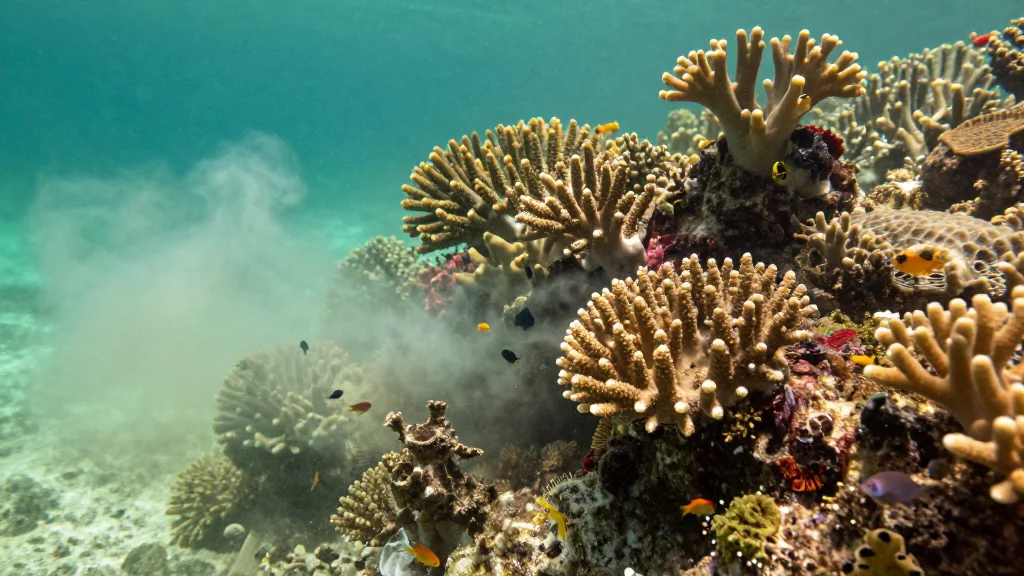
Sewage Is Threatening Coral Reefs Around the World, Even in Marine Protected Areas
Why It Matters
Sewage pollution erodes the ecological benefits of MPAs, jeopardizing the 30 by 30 target and the livelihoods dependent on healthy coral reefs. Addressing upstream waste is essential for effective ocean conservation and climate‑adaptation strategies.
Key Takeaways
- •70% of global MPAs contaminated by untreated sewage
- •Coral Triangle MPAs show >90% sewage impact, 10× unprotected levels
- •Sewage nutrients increase coral bleaching and disease risk
- •30 by 30 goals falter without upstream sanitation solutions
Pulse Analysis
The new WCS‑University of Queensland analysis shines a light on a hidden crisis: sewage runoff is infiltrating the very sanctuaries meant to protect marine biodiversity. By mapping pollution exposure across 16,000 protected sites, researchers revealed that more than 12,000 MPAs receive untreated wastewater, with the Coral Triangle—home to the planet’s richest coral assemblages—bearing the brunt. Excess nitrogen and phosphorus fuel algal blooms, deplete oxygen, and weaken corals’ ability to withstand warming seas, amplifying bleaching events and disease outbreaks. This systemic threat extends beyond reefs, compromising mangroves and fish stocks that underpin coastal economies.
The implications for the international “30 by 30” agenda are stark. While policymakers champion expanding protected ocean area to 30% by 2030, the study shows that protection on paper does not translate to ecological safety if land‑based pollutants continue to flow unchecked. Effective MPA management now demands a dual focus: traditional measures like fishing restrictions must be paired with rigorous upstream sanitation strategies. Integrating water‑quality monitoring into MPA governance can identify hotspots, guide remediation, and ensure that conservation investments deliver real biodiversity gains.
Tackling sewage pollution will require unprecedented collaboration among governments, public‑health agencies, NGOs, and the private sector. Investment in modern wastewater‑treatment plants, decentralized sanitation solutions, and community education can curb nutrient loads before they reach the sea. Funding mechanisms—such as climate‑finance streams and biodiversity offsets—should earmark resources for land‑based infrastructure as a core component of ocean protection. By aligning sanitation upgrades with marine conservation, stakeholders can build more resilient reefs, protect coastal livelihoods, and keep the 30 by 30 promise on track.
Sewage Is Threatening Coral Reefs Around the World, Even in Marine Protected Areas
Comments
Want to join the conversation?
Loading comments...