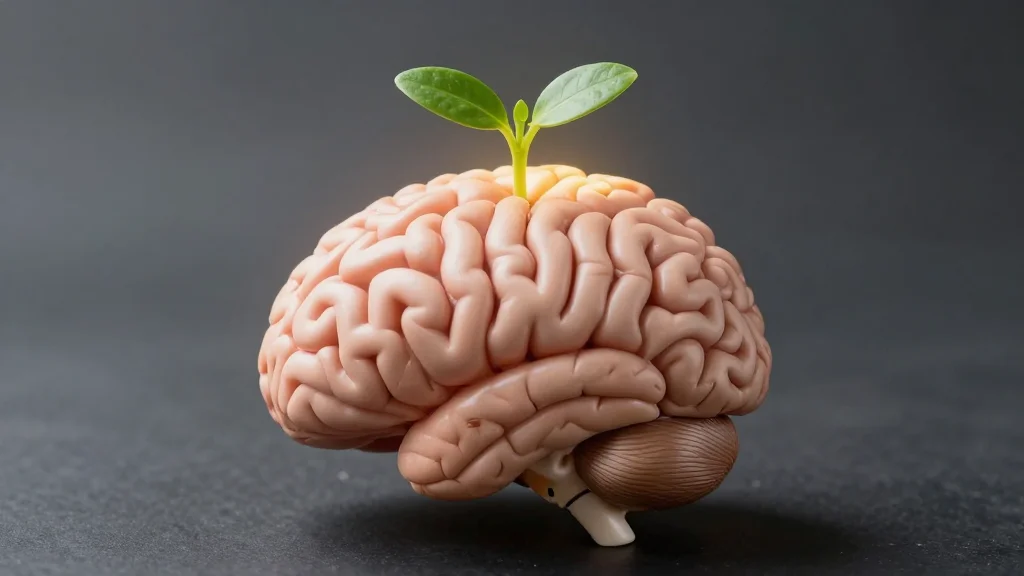
Shifting From Brain Ageing to Brain Longevity
Why It Matters
Positioning brain health as economic capital reshapes health policy, workforce planning, and long‑term fiscal sustainability. It signals a paradigm shift that could unlock productivity gains in aging populations.
Key Takeaways
- •Brain health reframed as strategic national asset
- •Longevity research drives policy for aging workforce
- •Investments in cognitive resilience boost economic productivity
- •Cross‑sector collaboration essential for brain capital governance
- •Public awareness shifts from decline to lifelong cognition
Pulse Analysis
The conversation around population ageing has long been dominated by narratives of decline, yet emerging research suggests a more optimistic trajectory. By framing the brain as a form of capital, policymakers can leverage neuroscience insights to design interventions that extend cognitive vitality well beyond traditional retirement ages. This shift aligns with broader trends in human capital management, where mental agility is increasingly recognized as a driver of innovation and competitive advantage.
Governments that prioritize brain longevity stand to gain measurable economic benefits. Cognitive resilience directly correlates with reduced healthcare expenditures, lower disability rates, and higher labor force participation among older adults. Countries investing in lifelong learning programs, neuroprotective nutrition, and community-based mental health services are already witnessing modest gains in productivity and reduced strain on pension systems. Such evidence underscores the fiscal prudence of treating brain health as a strategic asset rather than an inevitable cost.
Implementing a brain‑capital agenda requires cross‑sector collaboration. Academia provides the scientific foundation, while private industry can scale interventions through technology and workplace wellness platforms. Meanwhile, public institutions must embed brain health metrics into policy frameworks, from education curricula to urban planning. By fostering a culture that values cognitive longevity, societies can build more resilient institutions, sustain economic growth, and improve quality of life for aging populations worldwide.
Shifting from brain ageing to brain longevity
Comments
Want to join the conversation?
Loading comments...